Cimiez Roman ruins: gladiators and baths on Nice's heights
🚀 Key Takeaways
- Key concept : Cimiez was the Roman city of Cemenelum, with an amphitheatre, baths and a forum (1st–4th centuries AD).
- Practical tip : Combine the site with the Musée archéologique de Nice-Cimiez and the Monastère for a full half-day; visit early morning or late afternoon for softer light.
- Did you know : Henri Matisse chose Cimiez for his museum and is buried nearby; the same light that inspired painters once lit Roman festivities.
Silence, sun and a ribbon of ruins.
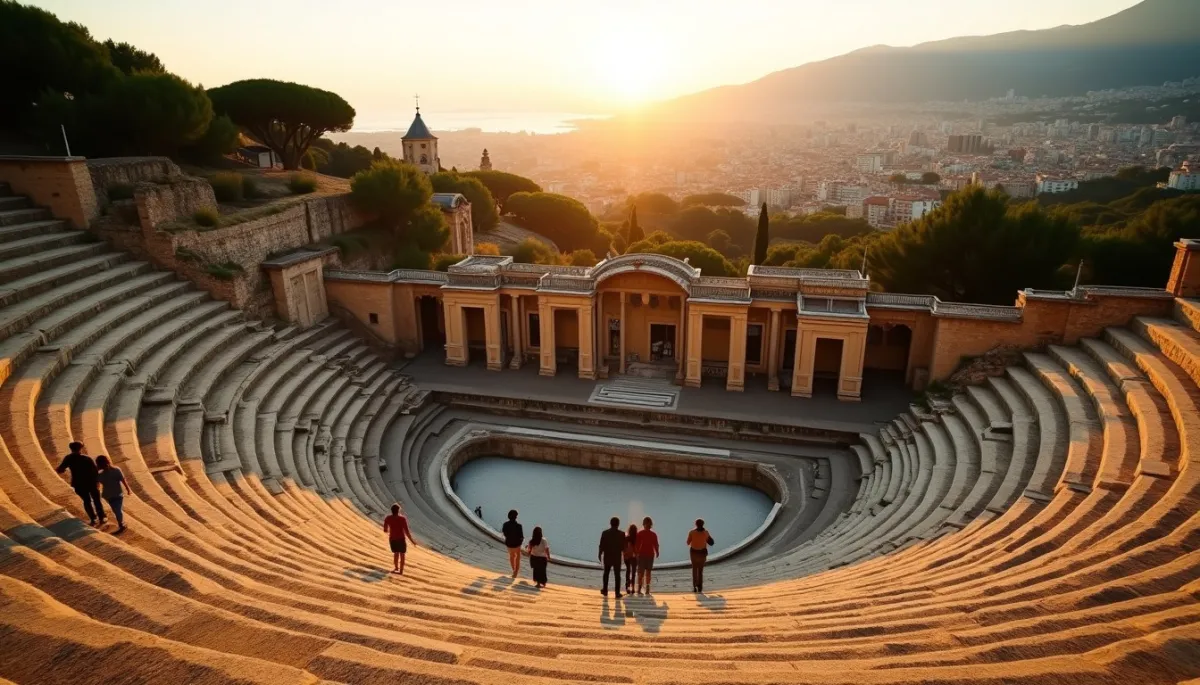
Standing at the edge of the amphitheatre, you can almost hear footsteps on the stone, and smell the herbs growing between cracks. The thermal basins lie like gardens below the monastery, their marble and mosaic fragments catching the light. Families stroll, elderly locals feed birds, and the Musée archéologique displays finds that were dug here, piece by piece, over more than a century.
Vestiges et vie
Cimiez was once Cemenelum, a Roman settlement active mainly between the 1st and the 4th centuries AD. The main remains are the amphitheatre (arènes), the large thermal baths and traces of the forum and homes.
The amphitheatre, carved into the slope, hosted public spectacles, and archaeological study shows seating tiers and entrances typical of provincial Roman arenas. Estimates suggest it served several thousand spectators, drawn from town and countryside.
The thermal complex, with its frigidarium, tepidarium and caldarium (cold, warm and hot rooms), reveals how Romans mixed hygiene, health and social life. Mosaics and fragments now in the museum help reconstruct daily rituals.
Racines et découvertes
The site's history surfaced gradually. Local interest increased in the 19th century during Nice's transformation into a winter resort for European visitors. Systematic excavations took place through the 20th century, revealing layers of urban life.
Archaeologists found household objects, pottery, coins, and funerary stelae in the necropolis surrounding Cemenelum. These everyday traces illustrate connections between the Mediterranean trade networks and local Ligurian traditions.
Important finds are displayed in the Musée archéologique de Nice-Cimiez, housed near the ruins. The museum explains technical terms such as "caldarium" (the hot bath) or "cella" (a small room), making the past accessible to all ages.
Contrastes et promenades
Today, the ruins live alongside a modern city. The Monastère de Cimiez and the Musée Matisse sit within the same park, offering a layered cultural walk from Antiquity to modern art.
Conservation remains a challenge. Exposure to weather, root growth and visitors requires careful management; restorations are ongoing and sometimes limit access to sensitive areas.
For visitors, a respectful approach helps. Stick to paths, read the panels, and allow the museum's displays to fill the silences between stones. Guided tours, when available, add depth by connecting objects to stories of ordinary Romans and of later travelers who rediscovered the site.
Practical advice: wear comfortable shoes, bring water, and plan at least two hours to visit the ruins and museum. Combine the walk with the nearby Musée Matisse, and if you time it for late afternoon, the light on the terraces is particularly beautiful for photography.
Thanks for reading, and don't forget, Enjoy Life Moments!