Women's circles and new moon rituals in Tulum
🚀 Key Takeaways
- Core concept : Monthly New Moon circles for intention, healing and community.
- Practical tip : Look for events at Holistika, Casa Violeta or community boards, bring water and biodegradable sunscreen.
- Did you know : The Maya goddess Ix Chel is associated with the moon, childbirth and weaving, linking past and present lunar observances.
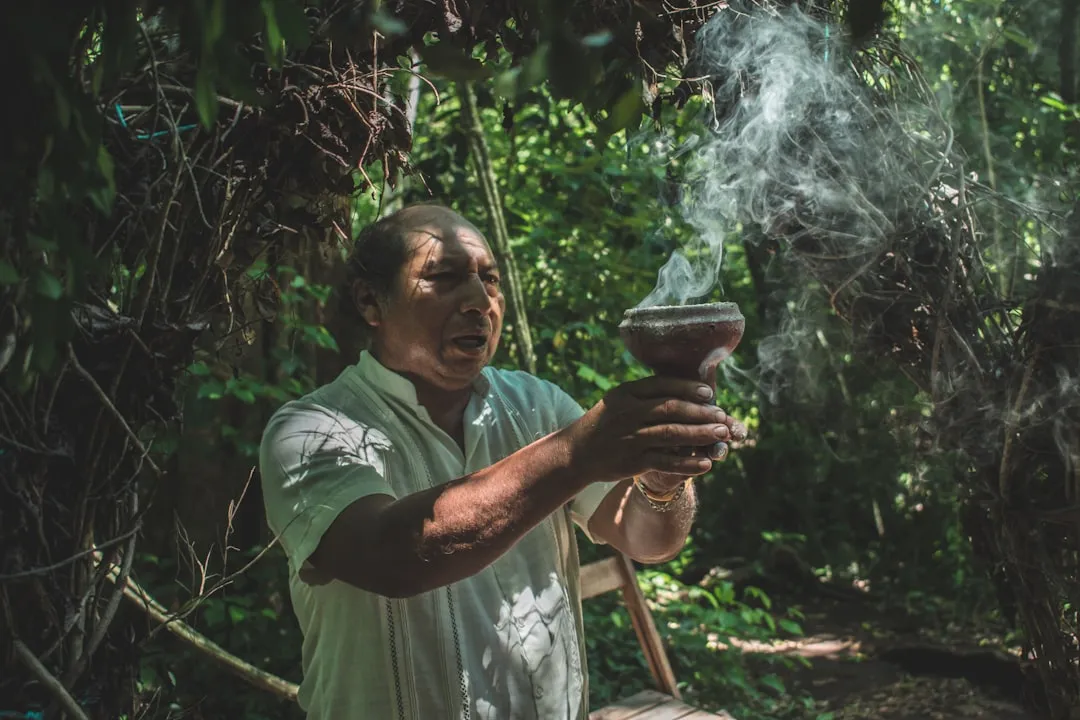
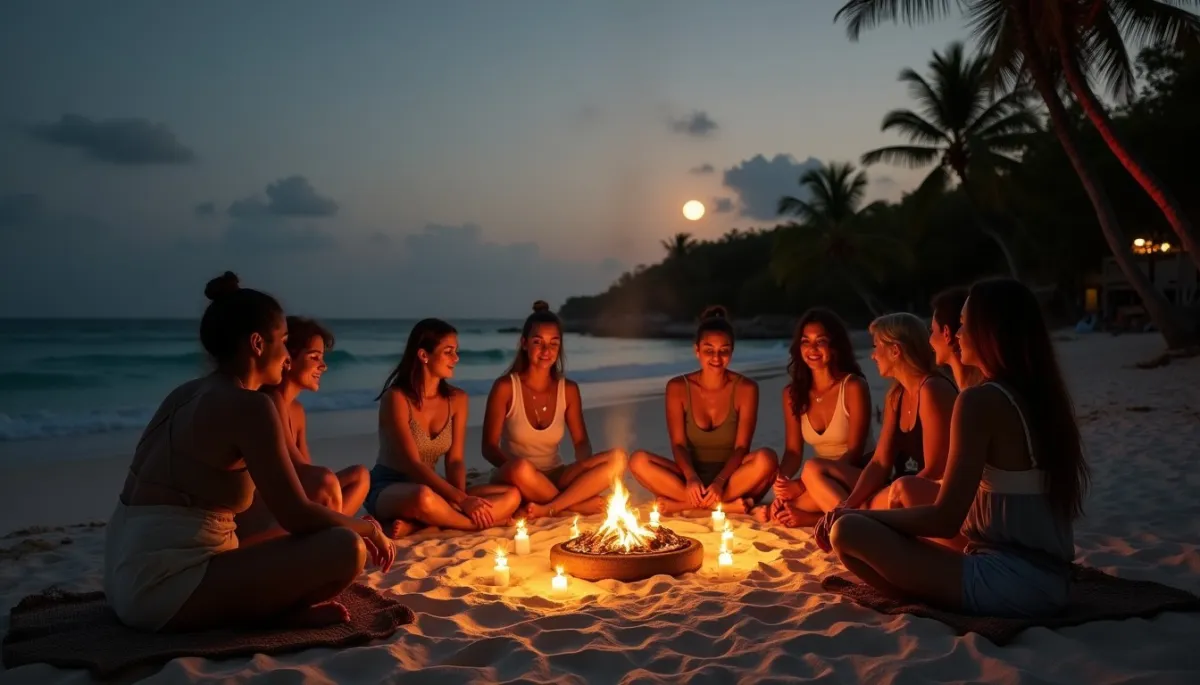
There is a hush before the breath. Imagine a ring of women at dusk, candles guttering, thin smoke of copal rising into star-stitched sky, waves murmuring a few hundred meters away, jungle pressing close.
Rituals in practice
Every new moon, the Riviera Maya hosts a mix of public and private gatherings. Some take place on the sand at beach clubs like Ahau Tulum and Nomade, others in the gardens of Holistika or in shaded palapas behind Casa Violeta, and still others beside cenotes where water amplifies silence.
Typical elements include intention-setting, breathwork, guided meditation, cacao ceremony, sound healing with crystal bowls or drums, and sometimes a gentle dip in fresh cenote water. Sessions last from 60 to 180 minutes, and groups vary from 10 to 60 participants depending on the venue.
Organizers often frame the New Moon as a starting point: a time to plant seeds, release what no longer serves, and create accountability through group witness. For many visitors, this is a ritualized pause, different from the party scene that also defines Tulum.
Roots and reasons
Tulum's role as a global wellness hub grew in the 2010s, as travelers sought slow, nature-based experiences. The New Moon circles are a modern expression of that shift, blending international wellness practices with local spiritual threads.
There is a resonance with Mayan culture. The Maya tracked lunar cycles closely, and goddesses such as Ix Chel embody the moon, fertility and cycles. Contemporary circle leaders sometimes invoke these ancestral motifs, creating continuity between pre-Hispanic cosmologies and today's rituals.
On a psychological level, group rituals answer a simple human need. Many participants report feeling less isolated, more motivated, and more intentional after joining a circle. In post-COVID years, the desire for meaning-rich travel accelerated, and Tulum became a destination where ritual and vacation meet.
Stories from the circle
One long-time facilitator in Tulum says she started hosting monthly New Moon gatherings in 2016 to offer women a reliable container for reflection while living far from home. Another woman, who moved to Tulum in 2019, recalls a first circle where she wept openly for the first time in years, then met two friends who are still in her life.
Local businesses have adapted. Holistika publishes a monthly events calendar, and smaller collectives list openings on community boards and social networks. Some hotel wellness programs now include a New Moon circle as part of guest packages, reflecting demand.
Yet the experience differs widely. A beach club event may feel ceremonial and polished, while a jungle palapa gathering tends to prioritize intimacy and storytelling. Language is usually bilingual, English and Spanish, but it's wise to confirm before booking.
Voices of caution
As the trend grew, so did commercialization. Entry fees range from donation-based to ticketed experiences costing over typical local wages. This has prompted questions about accessibility and the fair compensation of local practitioners.
There are environmental and cultural responsibilities too. Cenotes are fragile ecosystems, and organizers must enforce rules about biodegradable products, no-rinse policies and limited group sizes. Respecting indigenous knowledge and involving Maya guides when appropriate is essential.
Finally, authenticity varies. Some circles blend sincere lineage and training with modern techniques, others mimic aesthetics without depth. A practical rule: ask about a facilitator's background, whether a ceremony is community-led or commercial, and how proceeds support local people.
How to join
Look up event calendars at Holistika Tulum, Casa Violeta or local Facebook groups named "Tulum events" or "Tulum wellness." Arrive early, bring water, a notebook, a light shawl and biodegradable sunscreen. If a chocolate or cacao ceremony is offered, check dietary notes.
Participate with curiosity and humility. Offer a suggested donation if asked, follow rules around cenotes, and consider supporting local artisans by buying handwoven textiles or paying for a local guide. If invited to wear white or bring a flower, do so respectfully.
Whether you seek inner change, community, or simply a memorable evening under the new moon, Tulum's circles offer a blend of ritual, nature and shared witness. Choose experiences that honor both the place and its people.
Thanks for reading, and don't forget, Enjoy Life Moments!