Cheryl Strayed: 1,700 kilometers on the PCT to mourn and be reborn

🚀 Key Takeaways
- Concept key : A solo long-distance hike as a rite of passage and grieving process.
- Practical tip : A "thru-hike" (hiking a trail end-to-end) requires months of planning: training, permits, resupply strategy.
- Did you know : The Pacific Crest Trail runs roughly 4,265 km from Mexico to Canada; Strayed walked about 1,700 km in 1995.
She walked until the world made sense again.
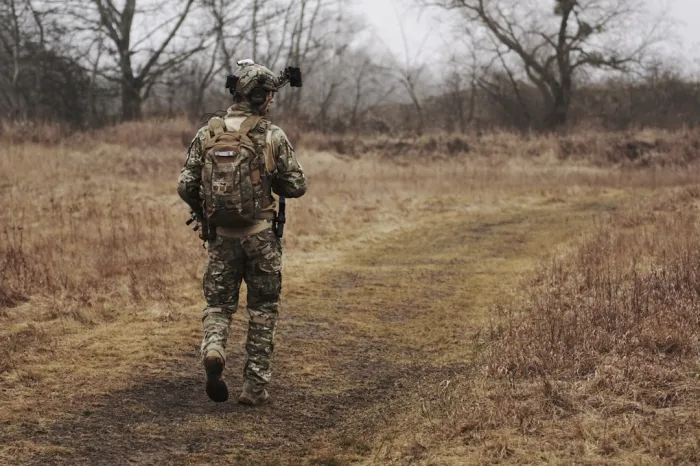
Picture the Mojave Desert at first light, a woman with swollen feet and a sunburned neck, a pack that bites at her shoulders, and a handful of candy bars for comfort. Dust, scrub pines, and the long thin ribbon of the trail ahead. That was Cheryl Strayed in 1995, stepping onto the Pacific Crest Trail with very little gear experience and a heart full of loss.
On the trail
Cheryl Strayed, born September 17, 1968, is an American memoirist and novelist best known for Wild: From Lost to Found on the Pacific Crest Trail, published in 2012. Wild recounts her roughly 1,700-kilometer hike on the PCT in 1995 after a series of personal tragedies.
The book transformed a private pilgrimage into a story read worldwide, and in 2014 director Jean-Marc Vallée adapted it into a film starring Reese Witherspoon. The film brought Strayed's experience to a wider audience, but the power of the story lies in the original fine-grained details: blisters, bad decisions, and the slow recovery of a life.
On the trail she earned the name "Strayed," a wry nod to her surname and to the feeling of being off-course. That trail name, like many small moments from her hike, became emblematic of a larger truth: walking long distances can clarify who we are when everything else falls away.
Why she walked
The immediate cause of Strayed's decision was grief. Her mother, Bobbi Marcus, died of lung cancer in 1991. Strayed was in her early twenties. The death destabilized her: she experienced intense sorrow, followed by behaviors that compounded the pain, including a divorce and drug use. By the mid-1990s she describes feeling untethered.
In 1995 she set out on the Pacific Crest Trail, starting in the Mojave Desert near the Mexican border and hiking northward. Her plan was intentionally minimal: to walk until she reached a kind of answer. The hike was not a clinical therapy, but a self-imposed trial where movement, solitude, and the demands of the trail forced confrontation with memory and remorse.
Strayed's willingness to be candid about mistakes, shame, and small acts of courage is central to why her story resonates. The PCT became a physical canvas on which she could grieve publicly and privately, step by step.
Along the way
The contradictions in Strayed's journey are instructive. She undertook a heroic, romanticized solo hike while confessing to poor preparation: she wore inappropriate boots, packed too much (her pack was famously overburdened early on), and had little experience. Yet those missteps are part of the narrative power—vulnerability meets endurance.
Her account also opened conversations about what long-distance hiking offers beyond fitness: a ritual space for processing trauma, an economy of essentials that strips away social roles, and encounters with strangers who matter. In her book she meets hikers, caretakers, and skeptical locals; each exchange chips away at isolation.
From an actionable perspective: a modern hiker planning a PCT thru-hike should train months in advance, prioritize a lightweight kit, plan resupplies, and secure necessary permits. Emotional preparation matters as much as physical training. If grief is the reason to hike, pairing the journey with some local support (therapy or friends at resupply towns) can prevent new crises on the trail.
Cheryl Strayed's trek was deeply personal, but its echoes are public. Wild reminded readers that grief does not have to be neat, and that movement—literal walking—can be a form of thinking, of reckoning, and of slowly rebuilding.
Thanks for reading, and don't forget, Enjoy Life Moments!