The importance of the present moment

In a 2026 world saturated with information, artificial intelligence and permanent alerts, cultivating presence has become an essential skill. It's not just about meditating, but about learning to direct your attention to what really matters.
This article explores why the present moment transforms the quality of life, offers concrete techniques for grounding yourself and shows how to apply it to work, relationships and sensitive pleasures such as travel or gastronomy.
Why the present moment matters
Being present improves mental health: reducing anxiety, increasing resilience and limiting cognitive dispersion. Neuroscience shows that attention training modifies brain networks linked to stress and emotional regulation.
Beyond the brain, presence increases the precision of decisions and the quality of experiences. When you experience a meal, a conversation or a landscape fully, you store more vivid and satisfying memories.
Simple and current techniques for anchoring
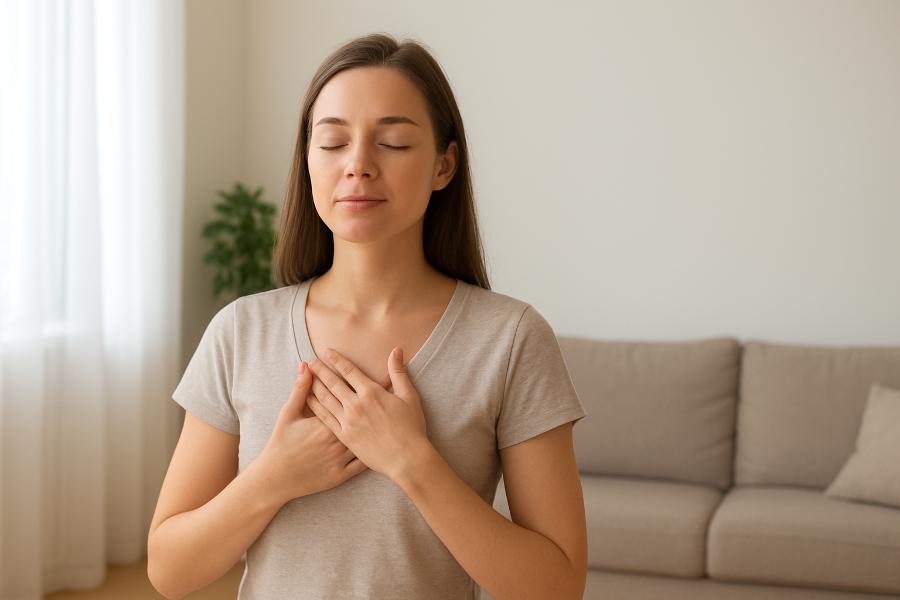
Start with 60-second micro-practices: conscious breaths, brief body scan or “3-3-3” pause (three breaths, three sensations, three actions). These rituals are compatible with the busy rhythms of 2026.
Targeted digital detox also helps: favor notification-free windows, use concentration tools and plan screen-free “micro-moments”. To understand these approaches scientifically, consult summaries on the subject such as that of Wikipedia.
Presence and intimacy: restoring meaning to relationships
The quality of a relationship is often measured by the quality of the attention offered. Listening without preparing your response, naming an emotion, or sharing a complicit silence are powerful gestures to strengthen bonds.
Simple practices (meetings without telephone, open questions, shared breathing) reintroduce depth. Couples and friends who adopt these habits report more empathy and less superficial conflict.
Presence at work: productivity and well-being
Modern productivity is no longer a question of hours but of attention. Methods like time-blocking, focus sessions and conscious prioritization help increase impact in less time.
Innovative organizations today integrate structured break times and quiet spaces to encourage creativity. For an overview of societal and media trends on the subject, the national press regularly offers practical reports, for example on Le Monde.
Travel, gastronomy and pleasure: savor the moment
Traveling in slow mode, choosing local sensory experiences and eating mindfully intensify pleasure and reduce “checklist” tourism. Stopping to observe, smell and taste transforms a simple trip into a profound memory.
In gastronomy, attentive tasting — slow chewing, observation of textures, conversation dedicated to the meal — reveals flavors often ignored by rapid consumption. These gestures are at the heart of a sustainable art of living.
Put the present moment into practice today
Choose a simple and lasting action: a daily break alert, a morning ritual of three breaths, or a family rule without screens at the table. Repetition of small actions produces lasting changes.
Experiment, measure your mood and concentration after two weeks, and adjust. Presence is cultivated like a muscle: it gradually strengthens and offers visible benefits on the quality of life.
Thanks for reading, and don't forget, Enjoy Life Moments!