The revival of chasselas and muscat on the Riviera
🚀 Key Takeaways
- Core concept : Chasselas and muscat are traditional, aromatic grapes seeing a revival on the Riviera.
- Practical tip : Taste them as a chilled table grape or in local aperitifs at markets in Nice and Menton.
- Did you know : Many old terraces were replanted after the 19th-century phylloxera crisis; rediscovery of century-old vines inspires today's growers.
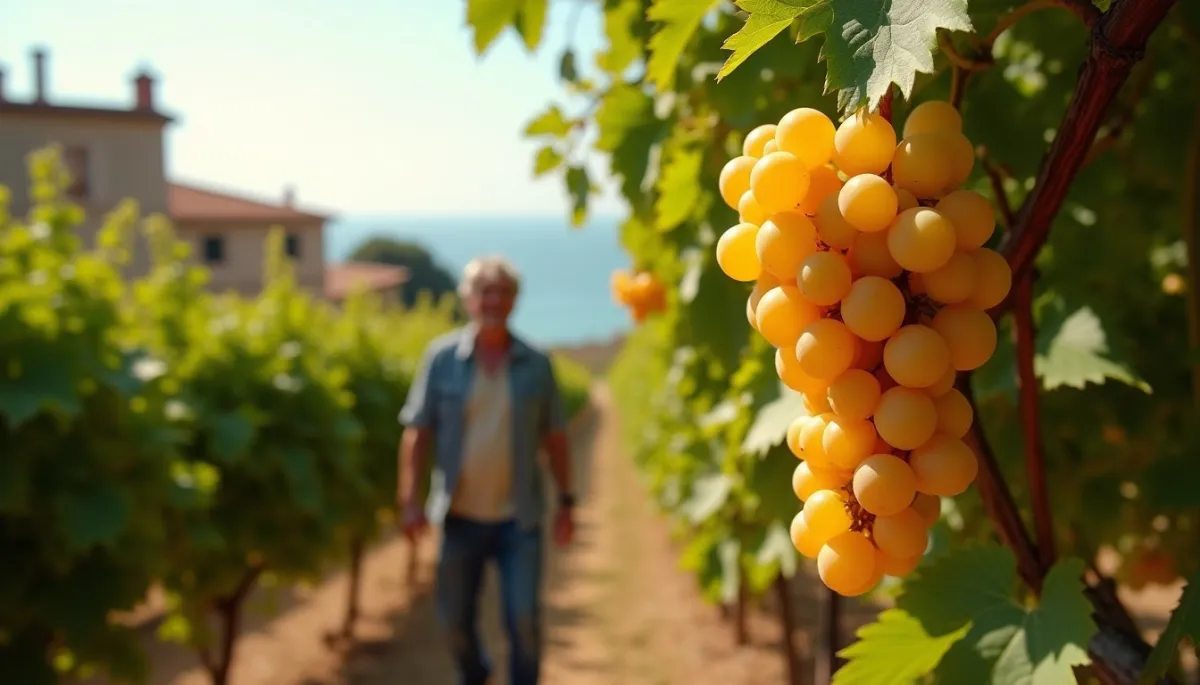
Close your eyes. Imagine the sun on limestone terraces, the scent of sea salt and crushed grape skins. In the hills above Nice, a small team of vignerons bends to cut a translucent cluster of chasselas, the vine's pale beads glowing like pearls.
A gentle renaissance
For decades, large-scale viticulture favored international varieties and yields. Local table grapes like chasselas (a neutral, delicate grape) and muscat (highly aromatic, often muscat blanc à petits grains) slipped from commercial circuits. They survived in family gardens, monastery plots and small terraces where older generations kept tradition alive.
Since the 2010s, a shift has accelerated. Young winemakers and urban gardeners across Provence-Alpes-Côte d'Azur began to revalue heritage varieties. In towns such as Menton and Nice, municipal programs supporting urban vines, and a renewed appetite for local, low-intervention produce, gave these grapes a new platform.
The result is visible today. Small harvests are transformed into table grapes, lightly fortified muscat wines, and fresh, aromatic aperitifs. Festivals and markets now feature crates of glossy chasselas and baskets of muscat, and wine bars blend them into seasonal offerings.
Roots and reasons
History explains part of the comeback. The phylloxera epidemic of the late 19th century reshaped Mediterranean viticulture, favoring grafted rootstocks and higher-yielding varieties. Many local clones were abandoned. What remained were scattered vines on terraced slopes and in private gardens.
Rediscovery often comes from curiosity. Amateurs and professionals alike find old vines during renovation projects or while restoring stone walls. These finds reveal genetic diversity and flavors that modern mono-varietal production had overshadowed. In some cases, cuttings from these heritage stocks have been propagated to create small experimental plots.
Climate considerations also play a role. Chasselas, with its thin skin and early ripening, suits cool, early-season harvests, while some muscat types adapt well to warm coastal microclimates, producing intense aromatics. For vignerons experimenting with resilience, these traits are valuable in a warming Mediterranean.
Between tradition and modernity
Revival is not without tensions. Commercial viability remains a challenge. Chasselas fruits are fragile for long-distance transport, and muscat demands precise handling to preserve its aromatics. This pushes growers toward local circuits: farmers' markets, direct sales and tastings rather than supermarket aisles.
There are also regulatory and marketing hurdles. Appellations (AOC) around Nice or Provence rarely recognize chasselas as a principal grape. Producers therefore position these grapes outside strict labeling frameworks, as heritage table fruit, artisanal musts, or in boutique vinifications that appeal to niche consumers.
Nevertheless, creativity flourishes. Winemakers macerate small batches with native yeasts, chefs pair chilled chasselas with fresh chèvre or anchovy tapenade, and sommeliers recommend young muscat as an aperitif wine. The Riviera's hospitality sector embraces these stories, offering guests tasting experiences that connect grape to landscape.
Practical discoveries
If you visit, start at local markets. Place Garibaldi in Nice and the old market of Menton are fertile grounds for meeting growers and tasting fresh grapes. Ask for harvest dates and whether the fruit is untreated; many small producers adopt organic or minimal intervention practices.
For pairings, try chasselas with mild, creamy cheeses and thin slices of country bread. Muscat, with its floral perfume, shines alongside citrus salads, panna cotta or as a chilled aperitif in late afternoon. Preserve the experience by buying small quantities; these grapes are best enjoyed immediately.
Beyond tasting, consider visiting a vineyard. Several domaines and cooperatives offer guided walks explaining terrace maintenance, pruning methods and the story of local varieties. These visits bring to life the connection between human care, terroir and the flavors on your plate.
Thanks for reading, and don't forget, Enjoy Life Moments!