The call of the cabin: why we all dream of a minimalist refuge to unplug
🚀 Key Takeaways
- Core concept : The modern cabin is a minimal retreat designed to cut digital noise and restore attention.
- Practical tip : Create an arrival ritual: switch off devices, light a candle, set a simple routine for meals and walks.
- Did you know : Practices like Shinrin-yoku (forest bathing) were promoted in Japan since the 1980s to improve stress markers.
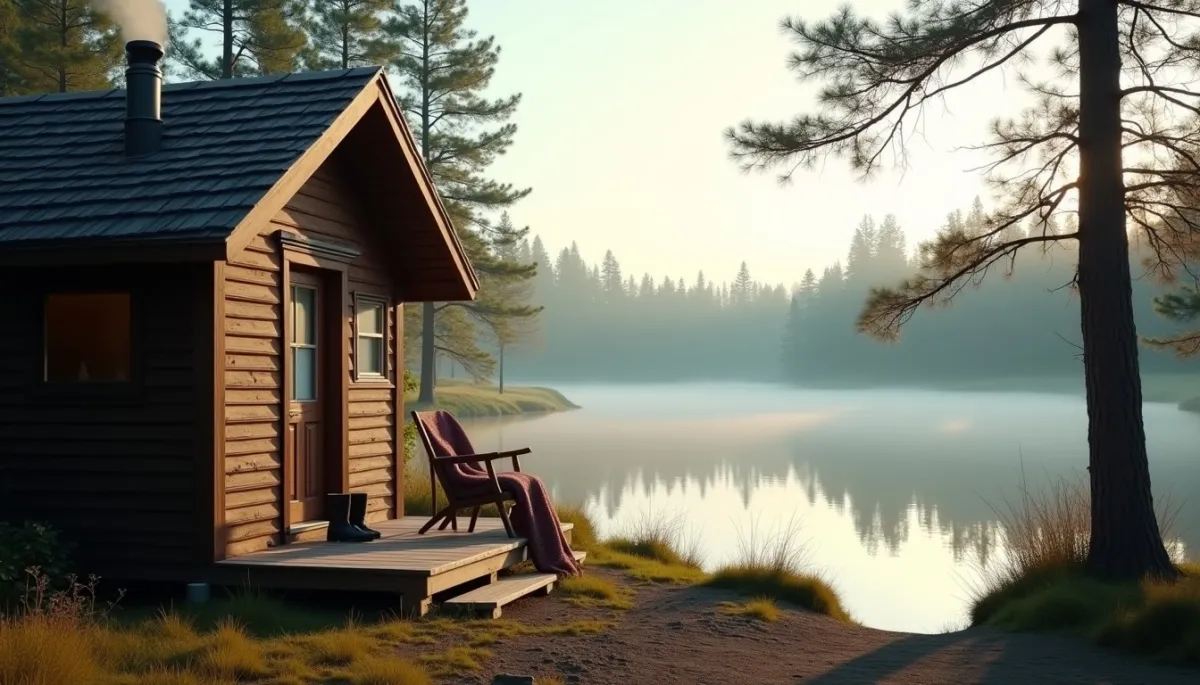
Close your eyes and imagine a single window framing pines and a lake. The silence is not empty, it is full of detail.
Found silence
Cabins have always been invitations to slow down. Think of Henry David Thoreau and Walden, written in 1854, where the idea of retreating to a simple shelter for reflection became literary lore. Today, that image resurfaces in Instagram posts, architecture magazines, and booking platforms, but with a modern twist: design minimalism and intentional disconnection.
Since 2010 the tiny house movement, born in the United States and linked to architects like Sarah Susanka (Not So Big House), has spread globally. By 2020, demand for rural stays surged as people sought safer, quieter trips; platforms reported sharp increases in searches for cabins and tiny homes during the pandemic. The cabin turned from romantic fantasy into reachable ritual.
For many, a cabin is more than decoration. It is a tool. Therapists and workplace researchers point to growing rates of burnout, recognized by the WHO in 2019 as an occupational phenomenon. In that context, an off-grid weekend becomes a preventive measure for attention fatigue and chronic stress.
Roots and reasons
Why now? Several forces converge. First, urban density and always-on work blur boundaries. Notifications and open-plan offices fragment attention. Second, cultural shifts such as Marie Kondo's decluttering wave and global interest in minimalism have normalized the idea that less can mean more.
Third, evidence from public health supports nature's benefits. The Japanese concept of Shinrin-yoku, coined in the early 1980s and now studied internationally, links time in forests with lower cortisol and improved mood. Universities and hospitals in the UK, US and Scandinavia have published studies since the 2000s documenting restorative effects of short nature exposures.
Finally, design trends matter. Scandinavian and Japanese aesthetics champion natural materials and small footprints. Architects like Peter Zumthor and places such as Juvet Landscape Hotel in Norway (opened 2011) show how architecture can frame nature without dominating it. This aesthetic invites calm by reducing visual clutter.
Modern tensions
Yet the cabin dream has contradictions. The commodification of solitude—cabins marketed as photo-ready getaways—can turn restoration into another form of performative consumption. Guests arrive with cameras and curated agendas, diluting the very stillness they seek.
Another tension is equity. Access to safe, peaceful rural space is unequal. Land costs, zoning laws and time off work mean that for many, the cabin remains aspirational. In cities, initiatives such as community green roofs or pocket parks attempt to bring similar benefits to denser populations.
Finally, true disconnection is technically and socially challenging. Some people find it impossible to leave devices behind for fear of work repercussion or family needs. A compromise is a staged detox: schedule check-ins, hide devices in a drawer, or use a single analog item like a paperback book or a notebook to anchor attention.
Practical rituals
If you want a mini-retreat, start small. Choose a location reachable in less than three hours to reduce travel stress. Pack only essentials: warm layers, simple cookware, a torch, and one paper book.
Create an arrival ritual. Turn off mobile data, light a lamp, prepare a hot drink and step outside for five minutes of mindful breathing. Commit to two device-free windows each day, such as mornings and before sleep.
Design your cabin habits around senses: morning walks, evening journaling, simple meals cooked slowly. These rituals recalibrate attention by replacing digital stimuli with tactile, rhythmic acts.
Thanks for reading, and don't forget, Enjoy Life Moments!