Travel and well-being: leaving to find yourself
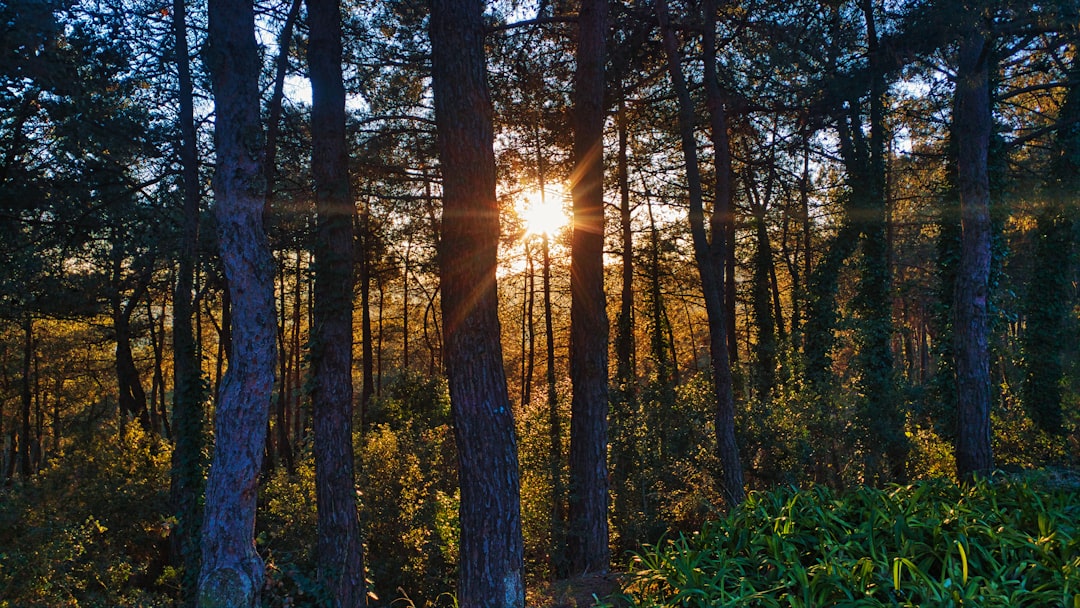
Physical movement often triggers an inner movement: new environment, different rhythm, unforeseen encounters. These breaks from routine offer a unique opportunity to put some distance between daily demands and hear what really matters.
In 2026, leaving to find yourself means combining clear intentions, responsible choices and proven well-being practices. This article guides you with current trends, rituals to try and concrete advice to transform a stay into a real time of care.
Why traveling helps you find yourself
The change of scenery activates our attention and our senses: novelty promotes cognitive plasticity and often allows us to break with automatic mental patterns. The principle of wellness tourism is based on this ability of travel to stimulate the body and mind to promote recovery and personal transformation.
Going alone or in a small group, without schedule pressure, allows you to establish simple rituals (walking, breathing, journaling) which become lasting tools for self-knowledge. Chosen solitude, far from being synonymous with isolation, is often a catalyst for clarity and intuition.
Wellness trends to know in 2026
Slow travel and micro-retreats (weekends structured around a practice) are becoming more widespread: they meet the need for real break time without requiring weeks of absence. The offerings are diversifying, including stays focused on sleeping, breathing, forest bathing and limited digital immersions.
Sector observers also note the rise in demand for committed and sustainable stays. To follow the latest news and best practices in the field of travel, consult specialized files such as those of Le Monde - Voyage, which follow the evolution of travelers' expectations.
How to prepare for a trip to refocus
Set a clear intention: reduce stress, take stock of a project, or simply slow down. Choose a suitable duration (48–72 hours for a micro-retreat, 7–14 days for deeper inner work) and favor less urbanized places: coastline, mountains or forest offer settings conducive to decompression.
Plan without overscheduling: plan a daily skeleton (getting up, conscious walking, meals, screen-free time) but leave room for the unexpected. Carry a notebook, headphones, suitable clothing and a small mental first aid kit (list of emergency numbers, local doctor if necessary).
Rituals and practices to try while traveling
Start the day with a short and powerful ritual: three minutes of conscious breathing, a walk without a phone or a few yoga postures. These small habits anchor your day and provide points of support for maintaining mental clarity.
Experience local therapies and field practices: cold baths or onsen, traditional massages, forest baths (shinrin-yoku) or guided meditation sessions. In the evening, establish a “digital curriculum” to promote restful sleep and allow the brain to process experiences.
Practical and sustainable advice
Promote low-footprint travel (train, bus) when possible and offset unavoidable emissions. Choose locally committed accommodation and favor producers and artisans: traveling while respecting the environment strengthens collective and personal well-being.
Budget intelligently: opt for the off-season, local accommodation or stays combining volunteering and immersion to prolong the personal impact without exploding the cost. Finally, maintain a curious but humble posture in the face of the cultures encountered: reciprocity enriches the inner journey.
Thanks for reading, and don't forget, Enjoy Life Moments!