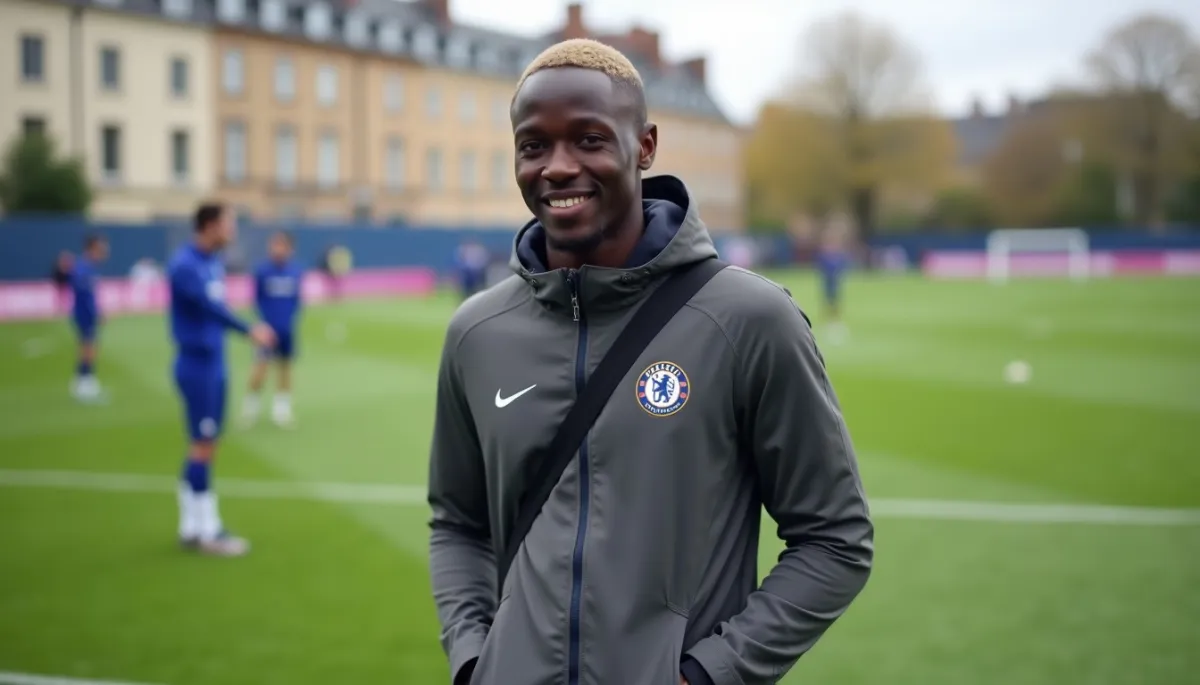
Bromance on the field: platonic love and deep fraternity between teammates
🚀 Key Takeaways
- Core concept : A bromance is a close, non-sexual bond between men that boosts cohesion.
- Practical tip : Build rituals, share off-field time, and name one small daily check-in.
- Did you know : Pop culture, from 'I Love You, Man' to sports documentaries, helped bring the term into the mainstream.
Friendship wins games.
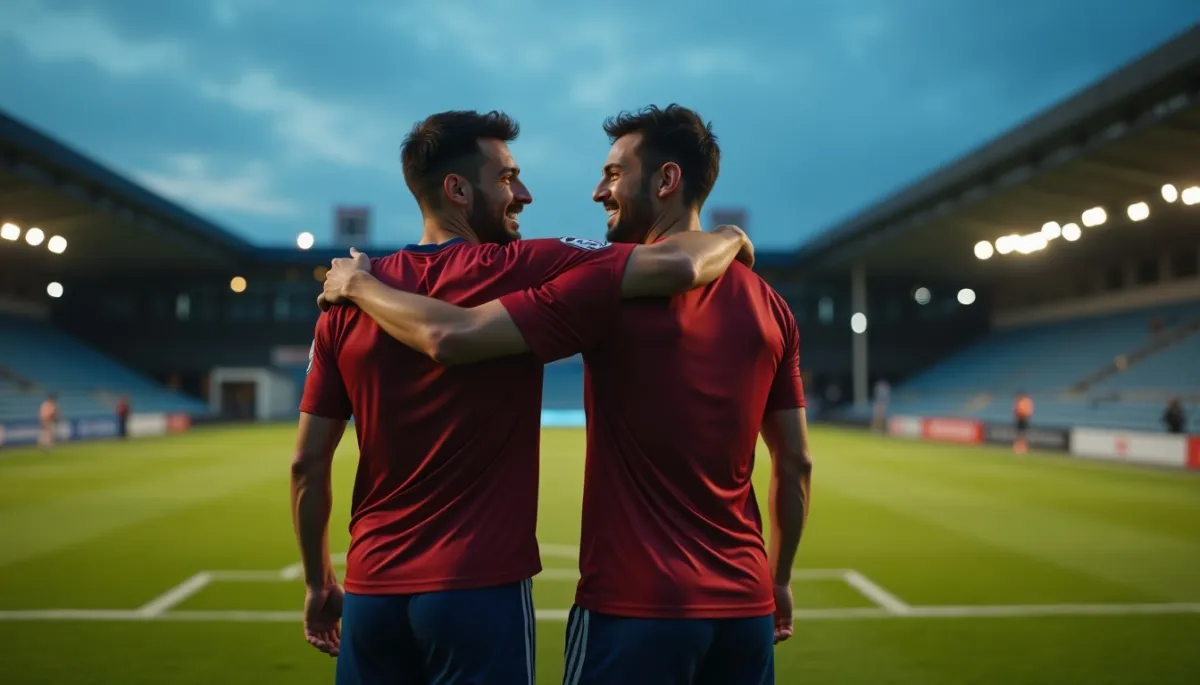
The stadium lights dim after a hard match, and two players remain on the grass, arms around each other, laughing and replaying a missed chance. In the locker room, a veteran unwraps an old joke to calm a rookie’s nerves. On the bus back from an away fixture, playlists are shared, stories traded, and a quiet pact is sealed: we protect each other on and off the field.
Sur le terrain
When journalists speak of chemistry, they often mean what happens between players who understand each other's movements without words. That tacit coordination is less tactical trick and more emotional architecture. Bromance, in this sense, becomes a performance factor: trust speeds decisions, reduces hesitation, and allows risk-taking within a safety net.
Across sports, coaches note the difference. A 2010s wave of sports psychology research highlights cohesion as a predictor of collective success. Teams with high interpersonal bonds report better communication, fewer conflicts, and improved resilience after defeats, even if numerical performance gains vary by sport and level of play.
Concrete examples resonate. Think of Harry Kane and Son Heung-min at Tottenham, whose joint celebrations and on-field sync have been widely celebrated. In the NFL, the camaraderie between Tom Brady and Rob Gronkowski became part of the story of their Super Bowl runs. In basketball, locker-room friendships—sometimes intense, sometimes fraught—shape seasons and legacies.
Aux origines
The word 'bromance' is a portmanteau of 'brother' and 'romance', popularized in mainstream culture in the early 2000s and cemented by films like 'I Love You, Man' (2009). In sport, the concept is older: think of the informal bonds that formed in Olympic villages, in touring sides of cricket, or during long continental voyages that shaped early 20th century teams.
Social change plays a role. As masculinity norms shifted in the 21st century, public displays of male affection moved from taboo to acceptable. Media coverage, documentaries and athletes' own social media made the vulnerable, emotional side of men in sport visible and often celebrated. That visibility helped normalize platonic intimacy without sexual connotations.
Practical circumstances matter too. Shared hardship—long seasons, injuries, travel—creates fertile ground for deep bonds. The communal life of training camps, rehabilitation rooms and away days accelerates intimacy. Clubs that invest in off-field life, mental-health staff, and team-building rituals often report stronger bonds and lower burnout.
Tensions et limites
Close friendships are not without friction. Rivalries for playing time, contract disputes, or differences in conduct can turn a bromance into a headline. The same closeness that protects can also exclude, forming cliques in the squad that hurt cohesion if not managed.
Cultural and gendered readings complicate things. In some environments, displays of affection are misread or sexualized, prompting players to moderate behavior. Teams must balance openness with professionalism, creating clear boundaries so that platonic intimacy does not become liability.
Looking forward, clubs are adapting. Education on emotional intelligence, rotating leadership roles, and inclusive rituals help widen the circle beyond a tight duo. The evolution is practical: emotional bonds remain powerful, but the healthiest teams cultivate many forms of connection, not just a single bromance.
Rituals et conseils
Small practices create durable trust. Shared warm-ups, a pre-game ritual, or a brief post-game debrief where everyone speaks, foster connection. Coaches can formalize check-ins without making them clinical.
Encourage mixed activities off the field. A meal, a walk in the city, or a community project builds the person-to-person knowledge that translates into on-field intuition. Clubs that fund family events or cultural outings see broader integration across squads.
Be deliberate about inclusion. Leaders should spot and dissolve cliques, welcome new players with mentors, and rotate social pairings. Emotional safety grows when vulnerability is modeled from the top.
Thanks for reading, and don't forget, Enjoy Life Moments!