Boutique retreats: why sprawling palaces give way to intimate sanctuaries
🚀 Key Takeaways
- Core concept : Luxury is moving from scale to singularity, with stays that privilege privacy and experience.
- Practical tip : For an intimate escape, look for properties offering villa buyouts, private chefs, or curated local programs.
- Did you know : Many grand palaces now sell branded residences or private floors to meet demand for exclusivity.
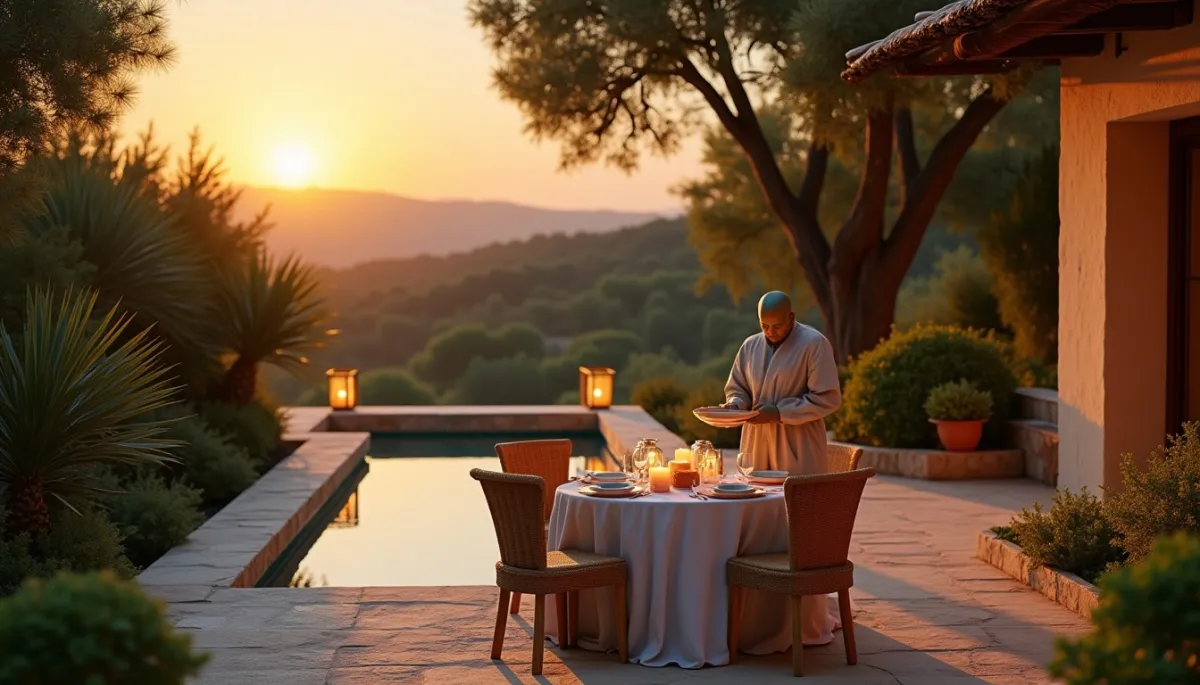
It feels like coming home to a secret. Imagine a low-lit courtyard in Puglia, candles reflected in a small pool, a chef bringing a single plate of locally caught fish.
Intimacy as luxury
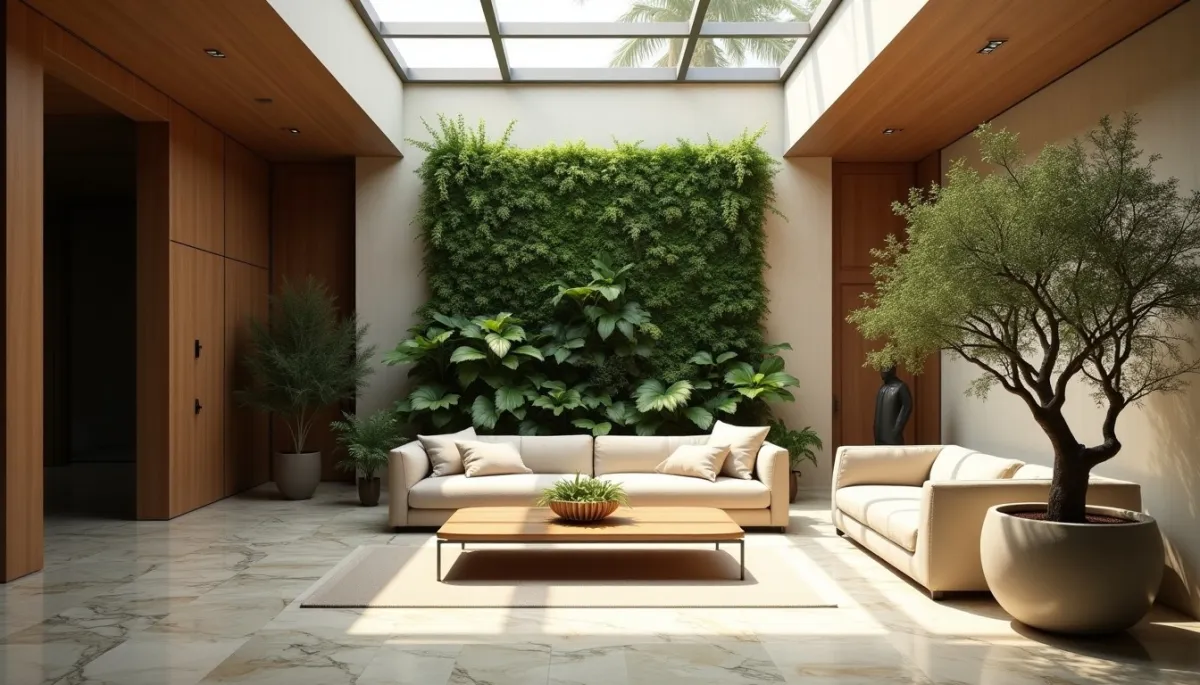
Once, the hallmark of luxury was scale: hundreds of rooms, ballrooms, high ceilings and a fanfare of staff. Today the signal is different. Boutique hotels and retreats—properties often under a hundred rooms, focused on design and local narrative—are defining high-end hospitality.
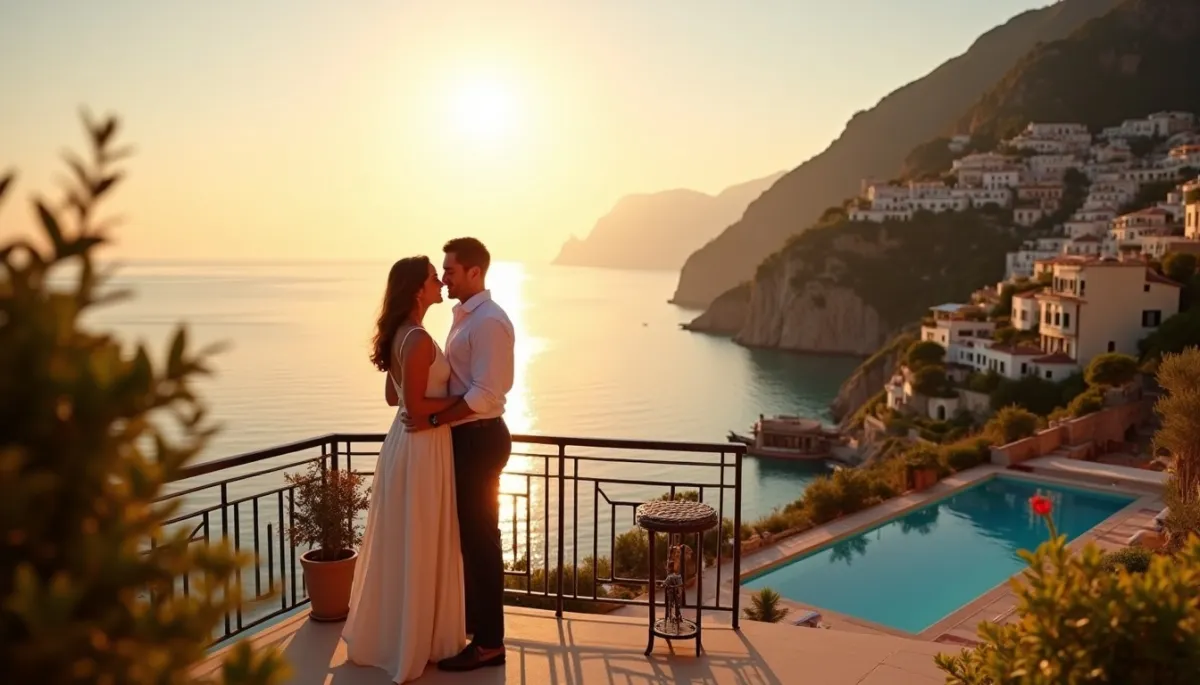
Examples are visible worldwide. Aman Resorts built its reputation on pared-back, sanctuary-like properties, from Amanemu in Japan to Amankila in Bali. Amangiri in Utah shows how a 34-suite property can become an icon of luxury. In Europe, places like Il Sereno on Lake Como or Borgo Santo Pietro in Tuscany curate whole-estate experiences that feel like private homes rather than palaces.
Industry observers have tracked the shift. Reports from leading consultancies and hotel analysts note stronger demand for experiential stays and private use of properties since the 2020s. Smaller hotels recovered RevPAR faster in many markets, as high-net-worth guests preferred control over shared spaces.
Roots of the movement
The causes are layered. The pandemic accelerated a desire for privacy and safety, and affluent travelers discovered the appeal of whole-villa buyouts or small, staff-to-guest ratios. That behavioural change has endured.
A generational factor plays a role. Younger luxury travelers prize authenticity and story, not just status. They choose a family-run riad in Marrakech, a ryokan in Kyoto, or a restored farmhouse in the Douro for encounters with craft, terroir and people. 'Boutique' here means narrative-driven hospitality, where architecture, cuisine and local programs form a coherent tale.
Practical drivers matter too. Remote work and flexible schedules have stretched the tourist calendar, encouraging longer stays. Sustainability concerns push operators to limit scale, reduce waste and favor local supply chains. Many groups, from independent owners to chains like Accor with curated collections, are investing in smaller properties to capture these preferences.
Palaces reinvented
The rise of intimacy does not signal the death of grand hotels. Iconic palaces remain cultural landmarks. Instead, many are adapting by offering private wings, villa add-ons, or branded residences. The strategy preserves history and service standards while answering the desire for seclusion.
For example, several European palaces now market full-floor buyouts, private gardens, and personal butlers to create a boutique feel within a larger shell. Luxury operators also blend the two: a large property may host an intimate, design-led annex that functions like a separate boutique hotel.
Looking ahead, technology and wellness will reinforce the trend. Booking platforms that enable entire-property rentals, apps for private experiences, and wellness programs tailored to small groups make intimate retreats both feasible and profitable. For travelers choosing a retreat, simple rules increase satisfaction: ask about guest-to-staff ratio, check if the property offers exclusive experiences, and prefer owners with strong local ties.
Thanks for reading, and don't forget, Enjoy Life Moments!