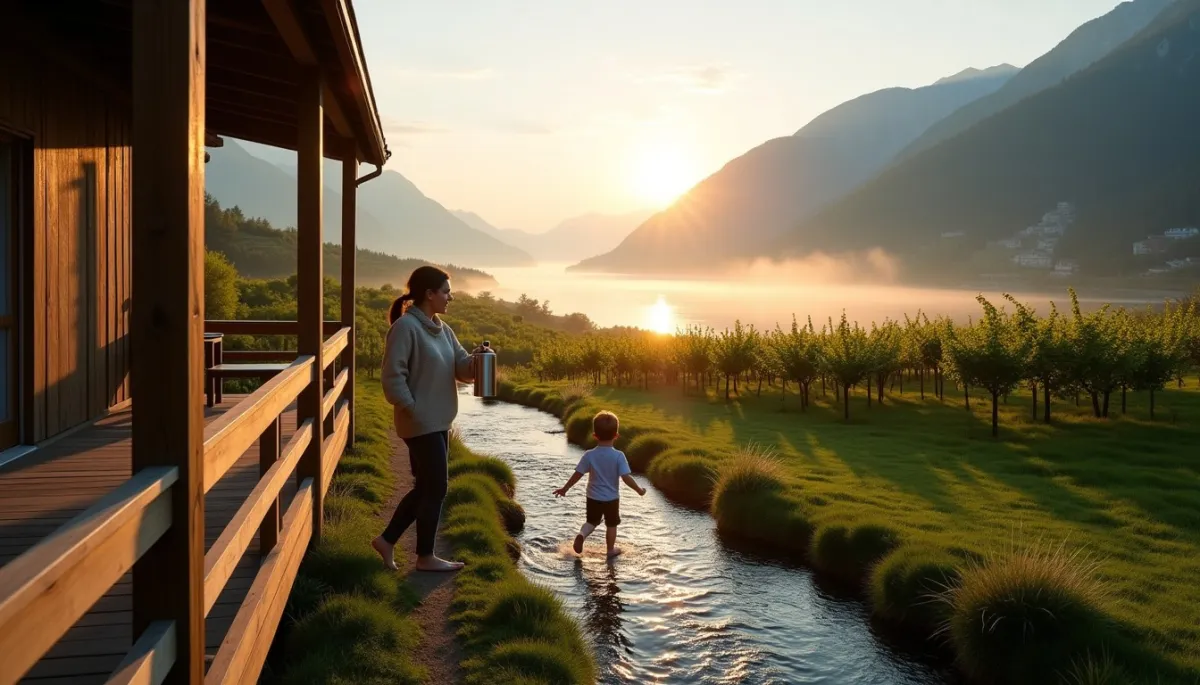
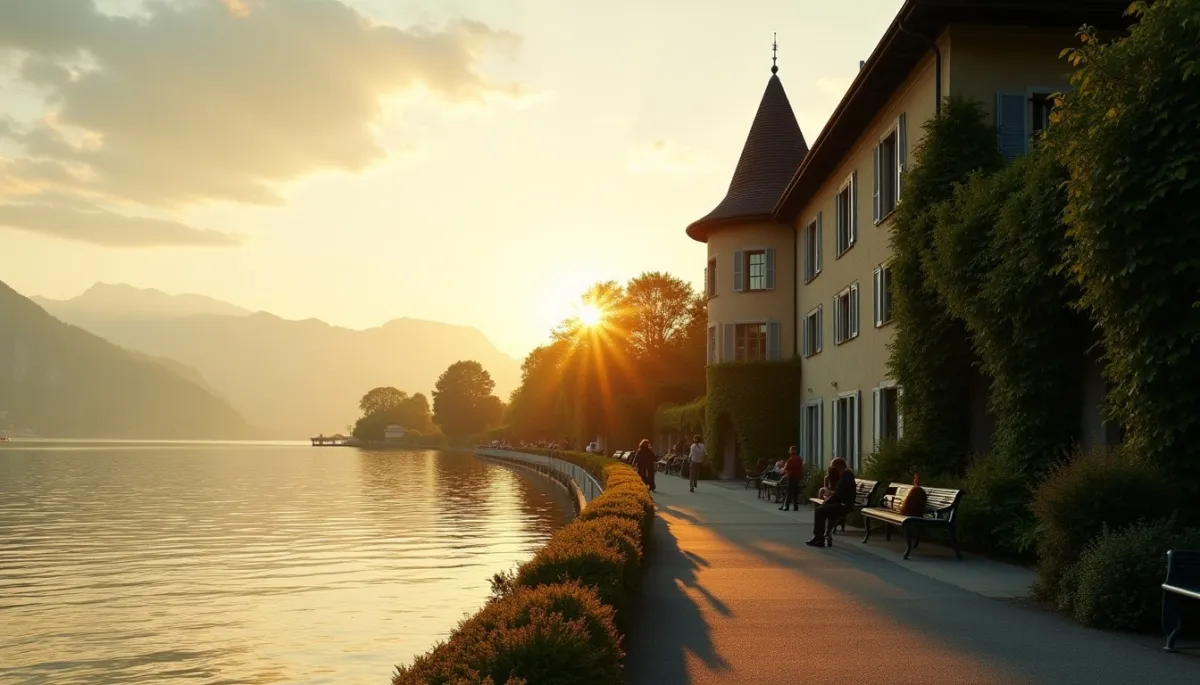
The Boiron nature reserve: a preserved ecological corridor near Morges
🚀 Key Takeaways
- Key concept : A linear wetland corridor linking Lake Geneva to inland habitats.
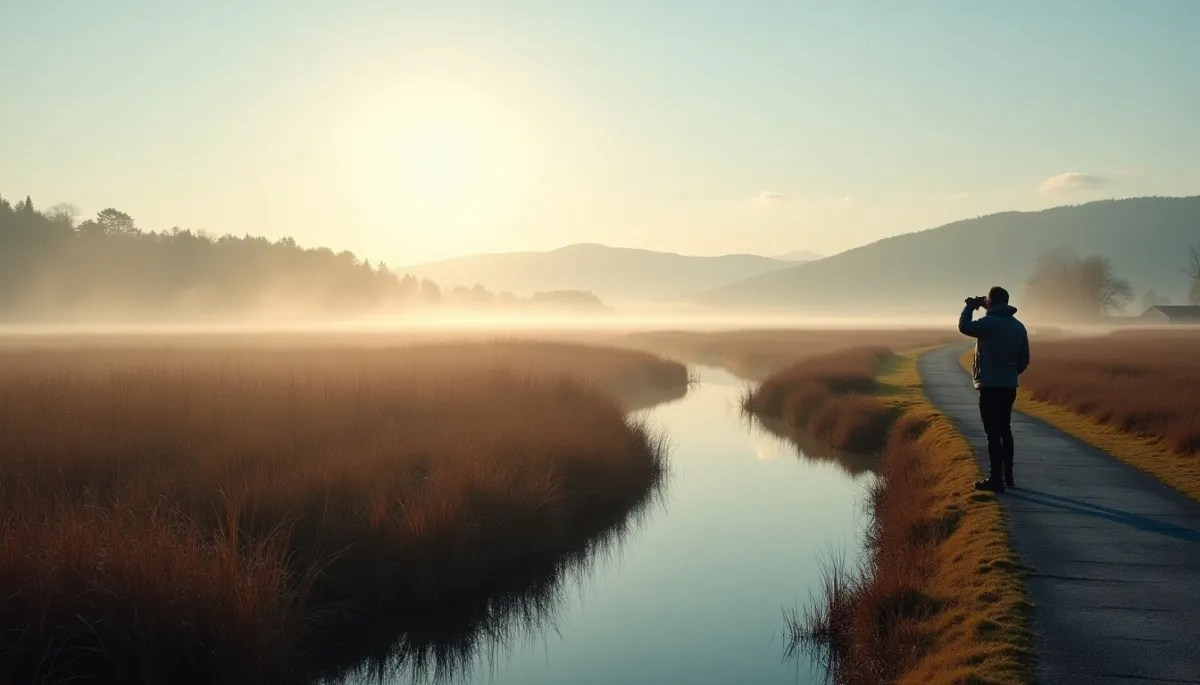
- Practical tip : Visit at dawn in spring with binoculars and sturdy shoes, keep dogs on a leash.
- Did you know : Local volunteers and schools contribute to monitoring and reed planting.
Morning hush, only bird calls answer the lake. Walk along the path, reeds brushing your knees, and you feel how narrow spaces can hold entire worlds.
Living corridor
The Boiron reserve is a strip of marsh and slow-flowing water that threads between the vineyards and the lakeshore near Morges. It is small in surface, only a few dozen hectares spread along the stream, but its value lies in connectivity. Corridors (ecological passages that allow species to move and exchange genetic material) are essential in fragmented landscapes.
Each spring, migrating birds use the Boiron as a resting point before continuing along the Rhône corridor. Reedbeds shelter warblers and reed buntings, while open pools host frogs, dragonflies and diving birds. Photographers and naturalists come for the concentrated diversity within walking distance of the town.
On the human scale, the reserve functions as a green lung between agriculture and urbanization, moderating floods and filtering water. It is also a living classroom: guided walks and school outings are organised by local associations and the canton, helping residents understand wetland ecology.
Shared roots
Protection measures around Boiron were reinforced toward the end of the 20th century, thanks to pressure from conservation groups and the Canton of Vaud. Management plans aim to balance reed growth, open water, and paths for visitors. Active stewardship includes manual clearance of invasive species, controlled mowing and seasonal water-level management to favour breeding amphibians.
Citizens, volunteers and organisations such as Pro Natura collaborate with municipal services to monitor bird counts and water quality. These grassroots actions create data used by scientists and help secure cantonal support for ongoing protection.
Preservation is also cultural: local festivals and guided tours celebrate the reserve, making it visible to those who might otherwise pass by the road. Engagement of the public is a decisive factor in maintaining long-term protection.
Plans and fragility
Despite protections, the Boiron remains fragile. Urban pressure from the Morges agglomeration, intensification of agriculture and invasive plants continuously threaten habitat quality. Climate change complicates the picture, altering hydrological regimes and timing of migrations.
Future developments include proposals for improved signage, more observation hides, and partnerships with nearby farms to reduce pesticide drift. However, such projects require funding and political will, and they must be implemented carefully to avoid disturbing sensitive breeding sites.
For visitors, the best practice is simple: stay on marked trails, keep dogs leashed, avoid peak breeding zones in spring, and join local volunteer days. Small gestures by many people keep this corridor alive.
Thanks for reading, and don't forget, Enjoy Life Moments!