Bio-gastronomy: alpine farms behind Switzerland's finest tables
🚀 Key Takeaways
- Key concept : Alpine farms produce AOP cheeses and organic ingredients used by Michelin-starred kitchens.
- Practical tip : Visit alpages in summer (June to September), ask permission and buy directly from the dairy.
- Did you know : Etivaz received AOP status in 2000 and is still made in alpine huts at high altitude.
Fresh mountain air, the bell of a cow, the warmth of a forge. You feel the rhythm of seasons here.
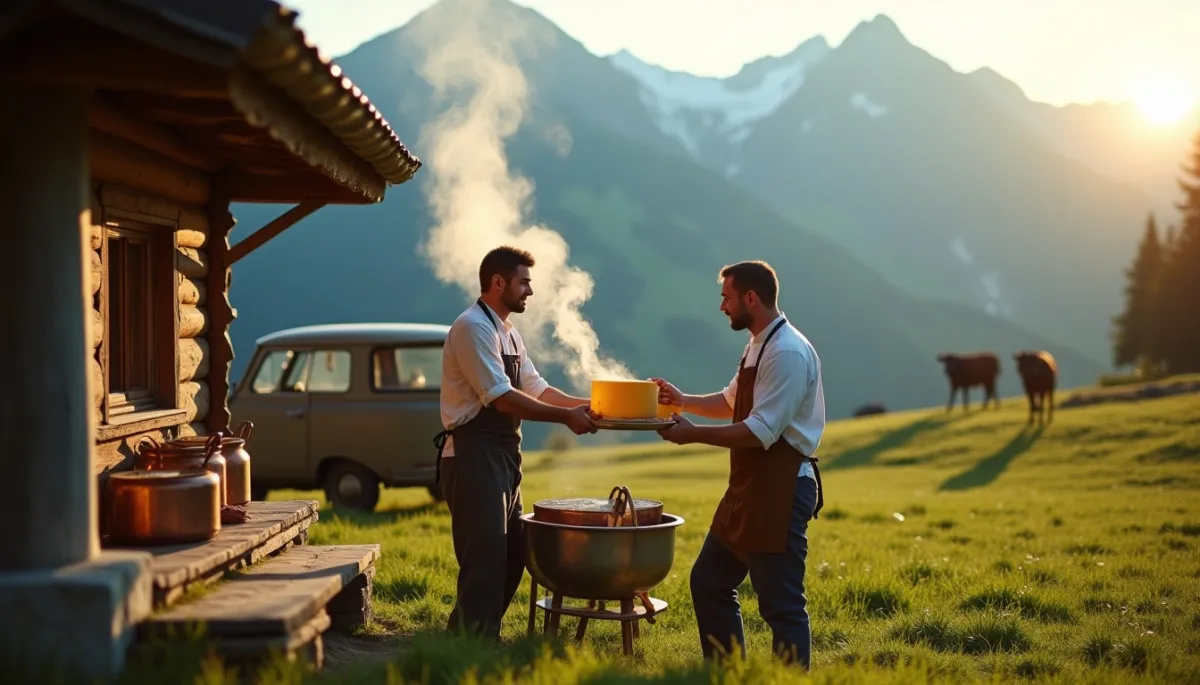
Imagine a narrow dirt track in the Vaud Alps at dawn, a handful of wooden chalets glazed with morning sun, and a cheesemaker stirring copper cauldrons while a crate of herbs waits for the chef's van. That exchange, intimate and tangible, is the beginning of a tasting menu in Geneva or Lausanne.
Des assiettes qui racontent
Swiss haute cuisine increasingly tells a story of place. From Lausanne to Zurich, chefs highlight products that have travelled a few kilometres, not continents. This is not mere marketing, but a culinary shift: menus now list the alpage, the herd, and sometimes the name of the farmer.
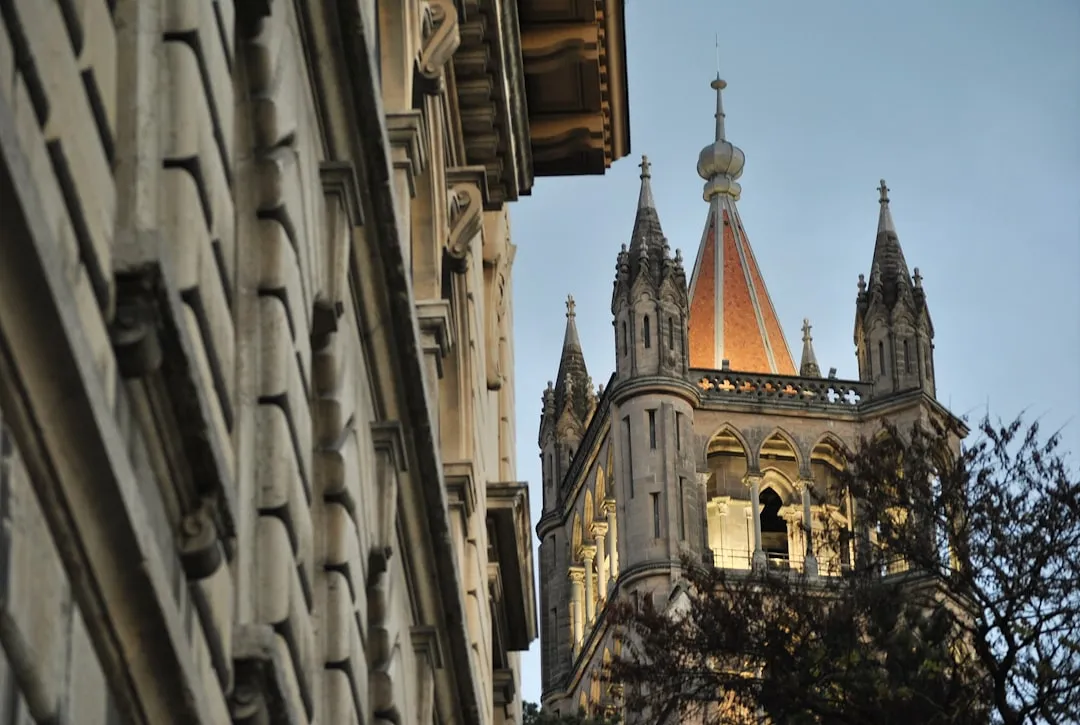
On the Riviera lakefront, restaurants at historic hotels such as the Beau-Rivage Palace benefit from nearby terroirs. In French-speaking Switzerland, alpages supply summer cheeses like Etivaz, mountain herbs, and seasonal lamb, ingredients prized for their distinctive aromas.
Consumers reward such provenance. In recent years, the organic segment in Switzerland has continued to grow, and more alpine farms seek organic certification to answer a demand for cleaner, traceable supply chains.
Racines et savoir-faire
The practice of transhumance, moving cattle to high pastures each summer, is centuries-old in Switzerland. It shapes landscapes and flavors. Cheeses made at altitude reflect alpine flora, giving Etivaz and similar products a complexity not found in valley dairies.
Etivaz earned AOP status in 2000, a recognition that links production method to place. The AOP rules require summer production in mountain chalets, raw milk, and wooden vats or traditional processing, which preserves heritage techniques.
Beyond cheese, many alpages produce herbs, smoked meats and whey-based products. Some farms form cooperatives or short supply chains with restaurateurs. The result is seasonal menus that change with the pasture: nettles and wild garlic in May, aromatic thyme and gentian in August.
Entre tradition et modernité
Transitioning to organic farming presents logistical and economic challenges. Alpine conditions are harsh, and certification requires extra work, documentation and sometimes investment. Yet many farmers see organic as a way to maintain grazing biodiversity and command higher prices from discerning restaurants.
There are contradictions. High-end restaurants need consistency and volume, while many alpages operate on a small scale, producing limited quantities. Chefs combine creativity and pragmatism, blending alpage specialties with reliable suppliers to keep menus steady through the season.
Looking forward, initiatives link tourism, education and gastronomy. Farm visits, private tastings in chalets, and chef-led outings are becoming popular. They transform raw supply chains into cultural experiences, preserving traditions and introducing diners to the alpage story.
Practical advice: visit from June to September, call ahead, wear sturdy shoes, and buy a wheel of cheese directly from the maker. Respect animals and timing, especially during milking.
Thanks for reading, and don't forget, Enjoy Life Moments!