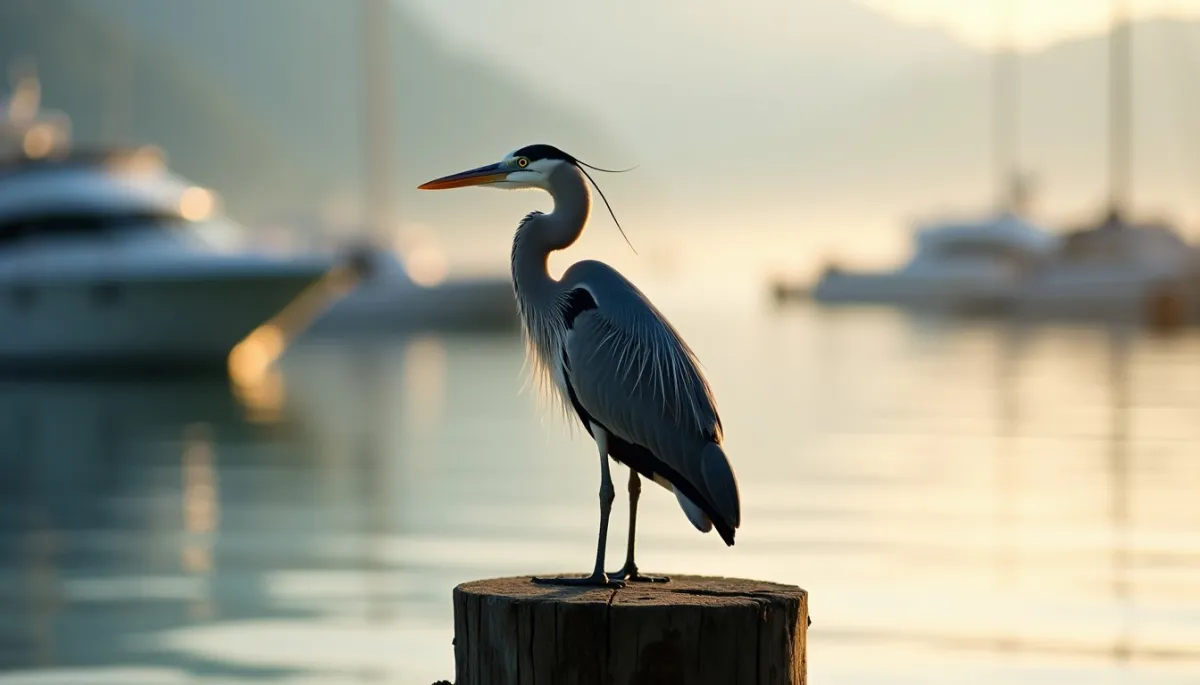
The beaver's return: how nature's engineer is reclaiming the shores of Lake Geneva
🚀 Key Takeaways
- Key concept : The Eurasian beaver (Castor fiber) is naturally recolonising tributaries and sheltered bays of Lake Geneva, creating wetlands and boosting biodiversity.
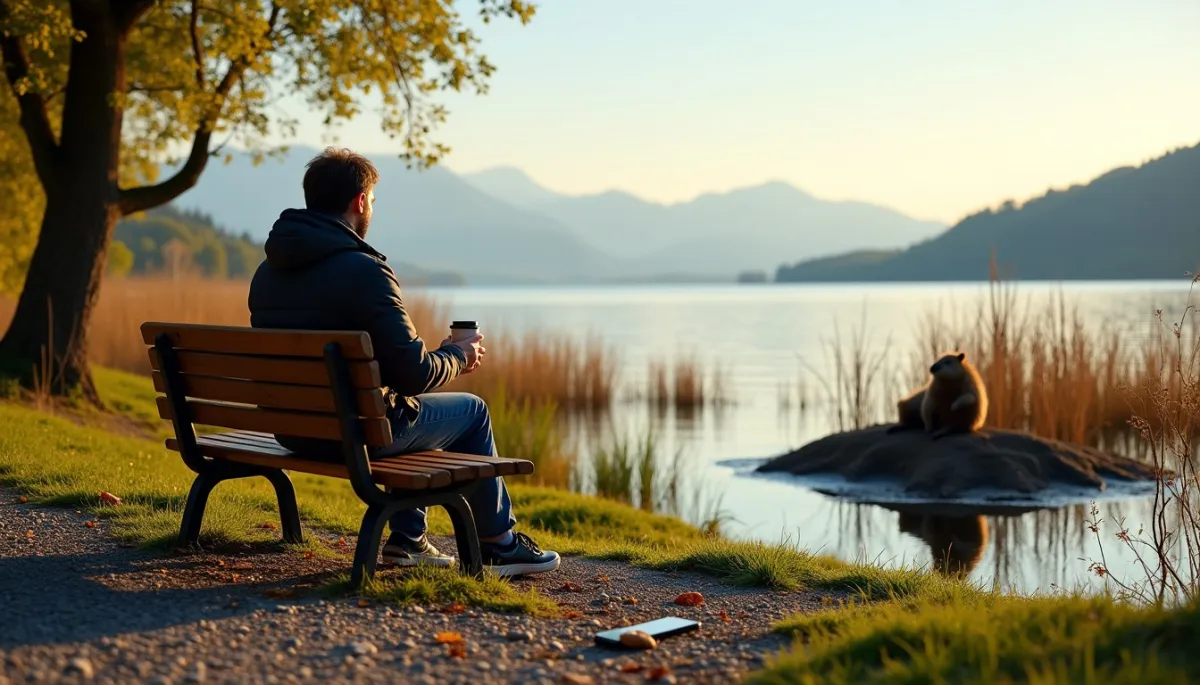
- Practical tip : Look for gnawed trunks, mud lodges and nocturnal silhouettes near calm river mouths and reedbeds at dusk or dawn.
- Did you know : Beavers engineer habitats that filter water, store floodwater and benefit birds, amphibians and fish.
In recent decades, beavers have been progressively reappearing along waterways that feed into Lake Geneva, from small streams to calmer river deltas. Their presence changes the shoreline in visible ways and invites both fascination and practical questions from residents and visitors.
As a local observer and travel writer based on the Swiss Riviera, I explored the most frequented sites, spoke with conservation groups and collected concrete tips for anyone who wants to understand and see these engineers of nature without disturbing them.
Why the beaver matters
The Eurasian beaver is more than a charismatic species. By building dams, creating ponds and digging canals, beavers transform linear streams into complex wetland mosaics. These new habitats increase plant diversity and provide refuge for amphibians, water birds and invertebrates.
On a practical level, beaver ponds slow down water flow and can trap sediment, which improves water clarity downstream. They act as tiny natural reservoirs that help regulate floods and drought pulses, services that are increasingly valuable around Lake Geneva as climate variability grows.
Where to see them around Léman
Beavers prefer calmer waters and tributaries where they can fell softwood trees and hide their lodges. Around Lake Geneva, promising places are the mouths of small rivers and marshy stretches: the Rhône delta near Geneva, the Vidy wetlands close to Lausanne, and smaller rivers flowing into the lake near Morges, Rolle or Nyon.
Observations are most likely at dawn and dusk. Look for typical signs: rounded stumps with conical gnaw marks, mud-and-branch lodges at water level, and food caches (sticks piled underwater). Local nature organisations like Pro Natura and cantonal wildlife services record sightings and sometimes run guided walks.
What changes for the lakeshore ecosystem
When beavers move in, the landscape becomes more heterogeneous. Reedbeds expand, shallow ponds appear, and the mosaic of open water and vegetation favours species that were previously rare along the lake edge. Birdwatchers may notice an increase in reed warblers, bitterns and herons using these new feeding grounds.
There are also management challenges. Beavers can fell trees valued by landowners, and their dams may flood agricultural plots or infrastructure in small valleys. The key is adaptive management: protection of certain trees with guards, installation of flow devices to limit flooding, and dialogue between authorities, farmers and communities.
How to watch responsibly and live with beavers
If you want to observe beavers, keep your distance and use a zoom lens or binoculars. Avoid walking into reedbeds at night, and never attempt to feed or touch wild animals. Report sightings to the Office fédéral de l'environnement (OFEV) or your cantonal wildlife service; citizen observations help build local maps of colonisation.
For landowners facing damage, cantonal services can propose non-lethal measures such as tree guards or controlled water outlets. In many cases, small adjustments allow coexistence while preserving the beaver's ecological benefits.
Seeing a beaver at work is to witness an ecosystem being rewired. For visitors on the Swiss Riviera, combining a lakeside stroll at dusk near a tributary with respectful observation can turn a simple walk into a memorable nature encounter.
Thanks for reading, and don't forget, Enjoy Life Moments!