Should you boycott parks like Xcaret or Xel-Há?

🚀 Key Takeaways
- Core idea : There's no simple yes or no.
- Practical tip : Ask about conservation programs and animal care before buying a ticket.
- Did you know : Many parks run reef restoration and sea turtle programs alongside entertainment.
Sea, heat, and the murmur of guided groups. Imagine landing at a park entrance where palms frame turquoise inlets and families queue for snorkel masks.
Coexistence visible
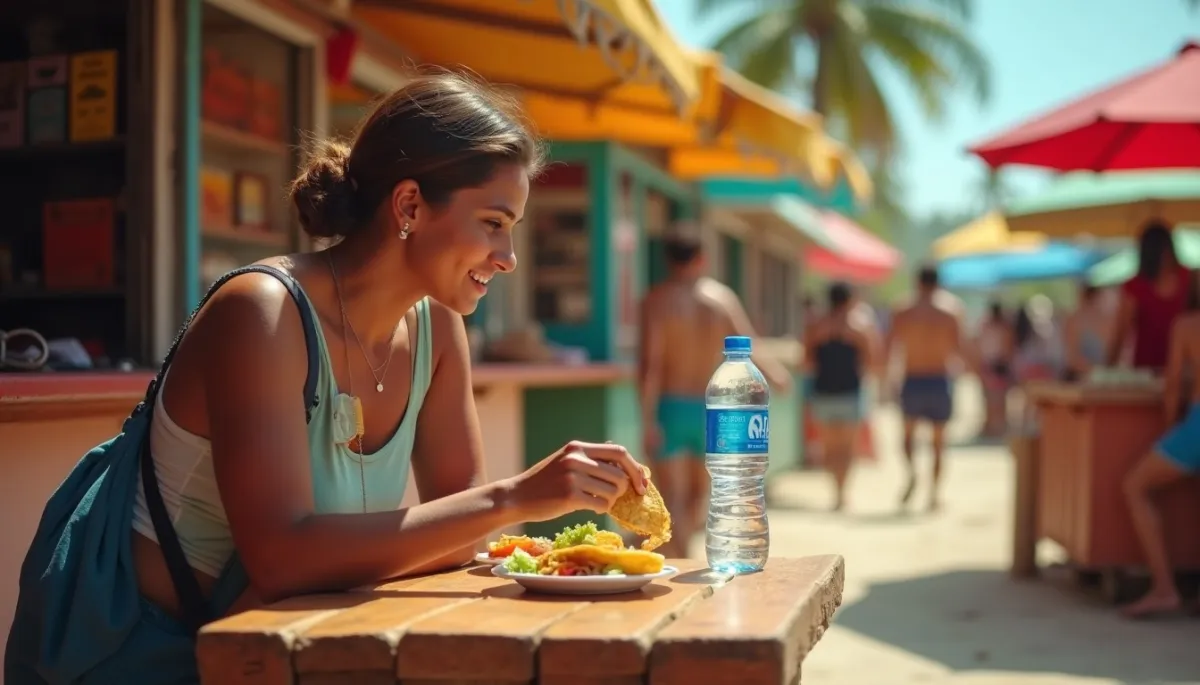
These parks are a major part of the Riviera Maya experience. Xcaret, Xel-Há and their siblings attract millions of visitors who want safe access to cenotes, lagoons, cultural shows and controlled wildlife encounters. For many tourists, a day in a park delivers comfortable infrastructure, signage in several languages, and services that independent excursions sometimes lack.
Economically, the parks generate thousands of jobs. From 2018 to 2019, Riviera Maya tourism reached peak levels (pre-pandemic), bringing substantial revenue to Quintana Roo. Parks contribute through direct employment, contracts with suppliers, and taxes. Local guides, artisans and restaurant workers often depend indirectly on this tourism flow.
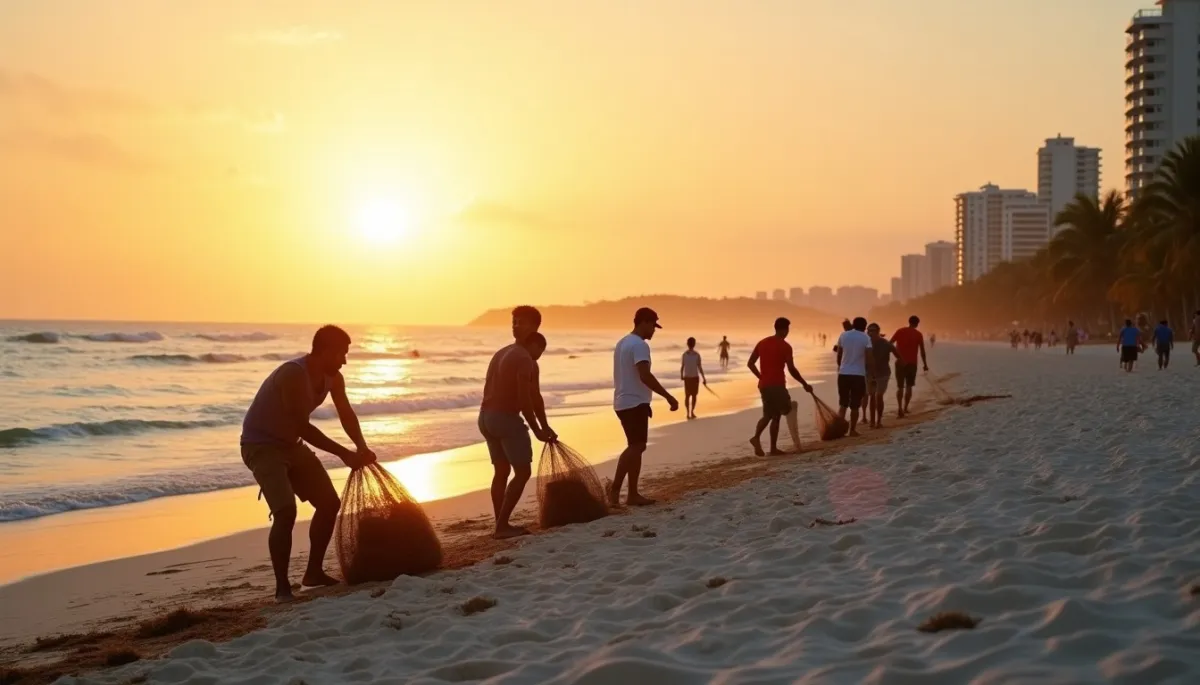
On the conservation side, operators promote programs: coral transplantation, mangrove restoration, and sea turtle protection projects are often cited in their annual communications. Xcaret Group, for example, publishes reports about captive-breeding and release efforts, and about environmental education for visitors.
Roots of the debate
Criticism centers on animal welfare and environmental impact. Encounters with dolphins or aviaries raise ethical questions, especially after global attention to marine mammal captivity intensified in the 2010s. Activists point to stress indicators in captive animals, transport issues, and the morality of training for entertainment.
Environmentalists also highlight infrastructure pressure: water consumption in a region with karstic (limestone) aquifers, wastewater management near reefs, and habitat modification to build attractions. The Riviera Maya's fragile systems (cenotes, coral reefs, mangroves) are sensitive to changes in land use and pollution.
Finally, social concerns are part of the picture. Not all local communities benefit equally. Ownership structures, land leases and profit distribution can leave smaller tour operators and communities feeling sidelined, which fuels calls to rethink mass-tourism models.
Shades of gray
A boycott appears attractive as a clear moral stance, but the reality is complex. Refusing to enter a park does send a message, yet it can also reduce revenue for local employees whose livelihoods depend on visitor numbers. In 2020 and 2021, the pandemic showed how fragile the local economy is when tourism collapses.
Another nuance: some parks have real conservation outputs. Research partnerships with Mexican universities, rescue centers for injured wildlife, and public-awareness campaigns exist. The question becomes: do these programs offset the negative impacts, or are they greenwashing? The answer varies from case to case, and independent audits are not always available.
Regulation matters. SEMARNAT and PROFEPA (federal agencies) oversee permits and environmental compliance in Mexico. Incidents have led to fines historically, and public pressure has moved some operators to change practices. Consumers can push further by demanding transparency and supporting certified, audited efforts.
Practical choices
If you wonder how to act, consider these options. First, research: read recent independent reports, not just park press releases. Second, favor community-run tours, certified eco-operators, or small family businesses offering cenote visits and cultural experiences. Third, when you visit a park, ask about animal welfare standards, release statistics for rehabilitation programs, and how ticket revenues support local communities.
If your priority is animal advocacy, support accredited sanctuaries and organizations that perform rescue and release, rather than entertainment-focused displays. If your priority is conservation finance, look for transparent funds that allocate a measurable share of revenue to habitat protection and community development.
Finally, talk to locals. A conversation with a guide from Playa del Carmen or a fisherman near Puerto Morelos will give you context no PR brochure can match. That qualitative insight should guide your personal decision.
Thanks for reading, and don't forget, Enjoy Life Moments!