How spirituality shapes Riviera Maya culture
🚀 Key Takeaways
- Key concept : Spiritual beliefs remain central to identity and daily practices.
- Practical tip : Visit early morning markets and community ceremonies with respect; ask before photographing.
- Did you know : Many cenotes still host offerings and are considered portals between worlds.
Spirituality in the Riviera Maya is inseparable from culture: ancestral Mayan knowledge mixes with Catholic and New Age influences to shape how people relate to land, family and visitors. In 2026 this blend continues to evolve, colored by climate concerns and a growing interest in meaningful travel.
Understanding that spirituality is practiced in everyday gestures helps travelers move beyond sightseeing. It reveals community priorities, healing traditions and the ethical questions tied to tourism and preservation.
Mayan roots and living traditions
The Mayan worldview remains a foundation for many rituals and seasonal calendars. Elders, storytellers and certain families keep ceremonies alive, translating oral knowledge into contemporary practice.
Language revival, community altars and agroforestry projects all reference a cosmology where nature is alive. This continuity gives neighborhoods a rhythm that visitors can learn to read, if they listen.
Rituals woven into daily life
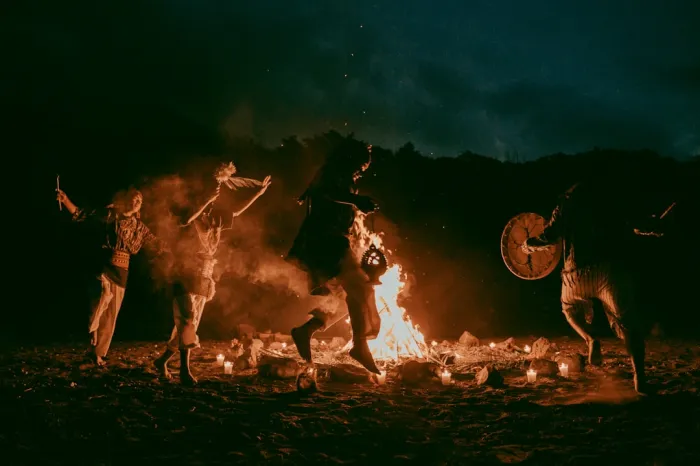
Offerings at home, cleansing ceremonies by cenotes and gratitude rituals before fishing or planting are common. These acts are often private, but community events and markets reflect the same values through food and crafts.
Healers and curanderos still play roles in health and social life, while festivals reframe history and identity. For travelers, attending respectfully and following local guidance turns observation into meaningful exchange.
Tourism, economy and respectful exchange
Since 2020 sustainable and spiritual tourism has grown. In 2026 more experiences are led by locals: guided cenote cleanses, language workshops and community-hosted ceremonies offer income and cultural control.
But commercialization threatens depth. The best practices are simple: book through community organizations, pay fair fees, and avoid commodifying ceremonies. That approach supports both livelihoods and cultural integrity.
Preservation and future challenges
Environmental change, urban expansion and outside demand put pressure on sacred sites. Protecting cenotes and sacred groves has become a priority for local councils and activists.
Community-led stewardship, legal recognition of ancestral lands and visitor education are the most promising paths. Travelers can help by choosing operators who reinvest in conservation and cultural programs.
Thanks for reading, and don't forget, Enjoy Life Moments!