A World For Travel: Why the future of tourism lies in the heart of local communities
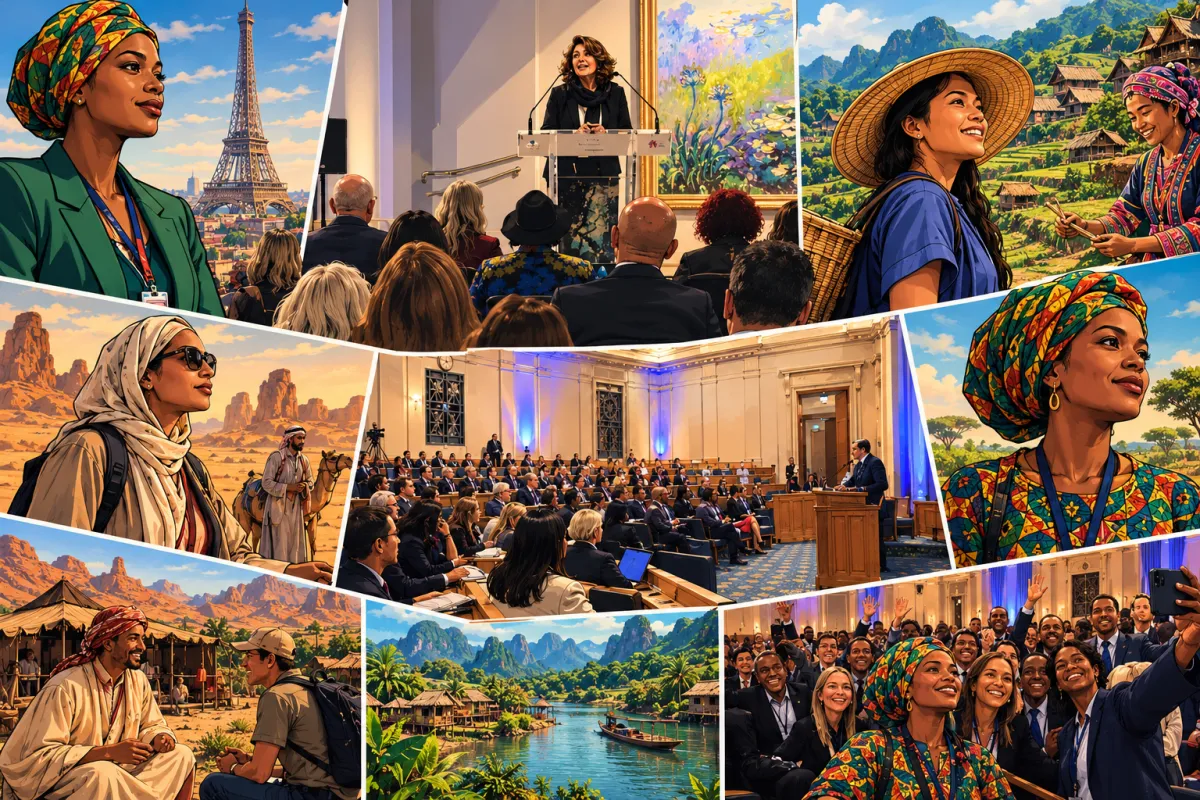
During the international forumA World For Travel in Paris on October 29 and 30, a slogan much more vital than tourist attendance curves dominated the discussions: the importance of placing host populations at the center of the chessboard. From the Egyptian desert to the rural provinces of Thailand, voices from the field have reminded us that without direct and equitable involvement of residents, global hospitality loses its meaning and sustainability.
At the heart of the debates in the Colbert room and the Hôtel de l'Industrie, the most striking testimonies from this summit did not focus on the figures, but on the human reality of the destinations. Faced with the impasses of extractive mass tourism, an unambiguous observation has emerged: local populations can no longer be the simple decoration of an industry designed without them. They constitute the first line of defense, the guardians of heritage and the sine qua non of all resilience.
The “last kilometer”: preserving the soul of forgotten territories
In the aisles of the forum,Sanna Roukouma, co-founder of Amarante Consulting, highlighted the growing divide between showcase capitals and rural areas. Specializing in the inclusion of isolated populations, she reminds us that sustainability begins with safeguarding the deep social fabric:
« It’s not just the capital and the big metropolises that count. It’s a whole know-how, a whole people, a whole nation,” she warns. “If modernization does not integrate populations located in the depths of the territories, we risk losing them, and with them, the very identity of the country.»
For Sanna Roukouma, the salvation of the industry comes through the “last mile”: reaching out to these remote communities to allow them to live with dignity from their hospitality. “The real experience is not found in what is staged for mass tourism. It is in the sincere discovery of a shared daily life, where the resident is fairly remunerated for their welcome. It is this local tourism that will ensure the sustainability of the trip. »
From volume to values: the Thai choice of little-known terroirs
This urgency to redirect flows towards forgotten territories found a direct echo with the Thai delegation. The latter is engaged in an overhaul of its model after decades of overcrowding concentrated on a few emblematic spots.
“Our desire is to encourage visitors to sincerely immerse themselves in Thai culture,” confides an official representative. “Pure numbers are no longer our priority. We are now looking for value-driven visitors and investors eager to explore the country's most remote corners, most isolated and lesser-known villages,” says Prakit Saiporn, representative of the National Tourism Office of Thailand in Paris.
Egyptian desert: local inclusion as security rampart
Abandoning local communities also carries a major geopolitical risk. The speech of the former Deputy Minister of Tourism of Egyptgoes in this direction. Ghada Shalaby shared her own experience in a desert area neglected by traditional circuits.
«Tourists no longer came to this magnificent region. However, people live there. If we did not help this community to exist thanks to tourism, it risked falling into drug trafficking or terrorism to survive. »
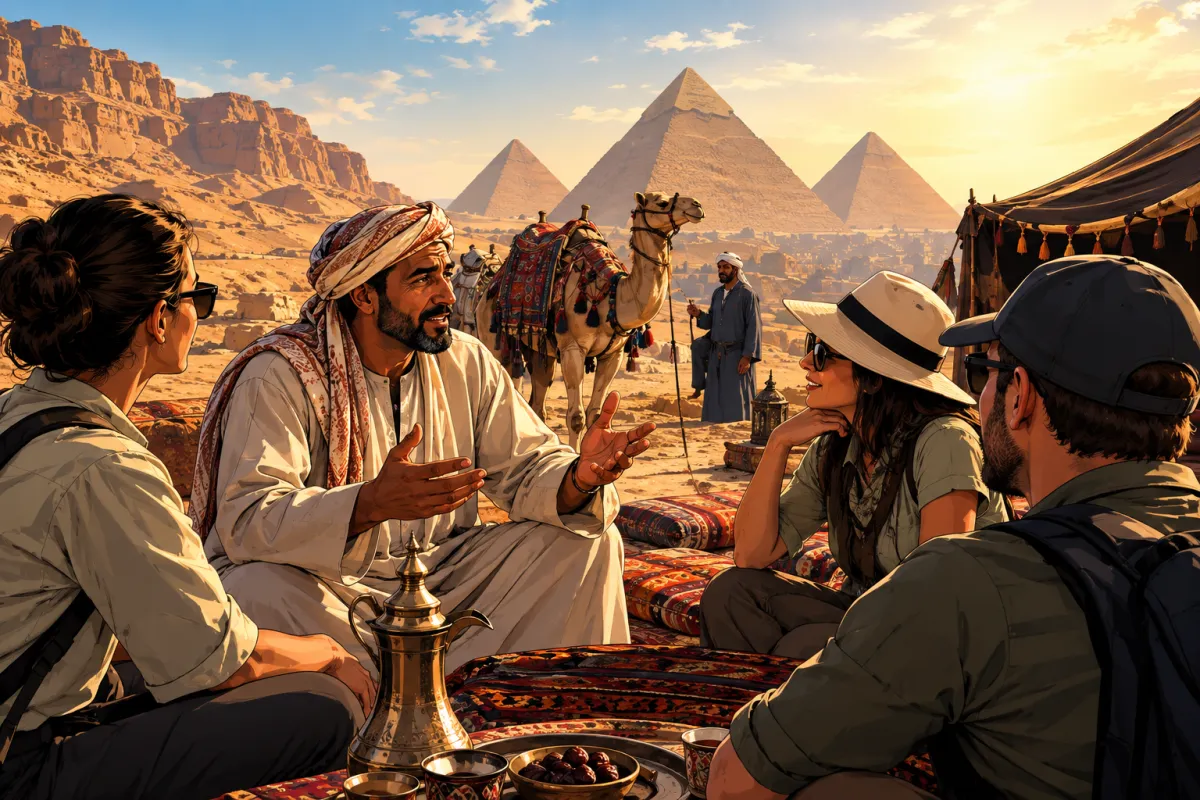
To reverse this spiral, the authorities have built a concerted plan with the security forces and diplomatic representations, including the British ambassador. The diagnosis turned out to be clear: foreign travelers were not looking for urban centers, they were demanding raw immersion in the desert alongside its inhabitants.
By fully integrating the Bedouins as field partners and paid guides, the dynamic was reversed. “Today, tour operators are reorienting their circuits expressly because they know that the desert communities are the direct stakeholders”, underlines Ghada Shalaby. A striking proof that local economic justice is the primary guarantor of the stability of a region.
Pan-Africanism and pride: giving voice back to host populations
This desire for emancipation vibrated in the Colbert room thanks to the intervention of the general director of theWest Africa Tourism Organization (WATO). Pleading for a pan-African model which directly benefits the territories like the populations bordering the “Great Green Wall”. Ola Wright recalled that Africa refuses to be a passive spectator of global tourism.
Ola Wright invited the audience to stand up to celebrate the strength of this collective mobilization, immortalized by a unanimous selfie relayed under the hashtag#AWFT Africa. A spontaneous gesture to remind us that the greatest value of a destination lies in the pride and welcome of its inhabitants.
A conclusion is essential: tourism will no longer be able to be thought of from above. Whether stabilizing fragile areas, bringing fair income to isolated villages or responding to travelers' desire for heartfelt moments sans-serif;">, the future of the sector depends on its hosts. Giving power and economic benefits to local communities is no longer a simple option: it is the only sustainable pact for tomorrow's tourism.