Yvon Chouinard: the rebel billionaire who gave Patagonia to nature
🚀 Key Takeaways
- Concept clé : Yvon Chouinard, founder of Patagonia, transferred company control to a purpose trust and a nonprofit to fund environmental causes.
- Practical tip : Buy less, repair more, support mission-driven brands; learn basic repairs for outdoor gear.
- Did you know : Chouinard co-founded 1% for the Planet in 2002, a network that encourages businesses to donate 1% of sales to environmental nonprofits.
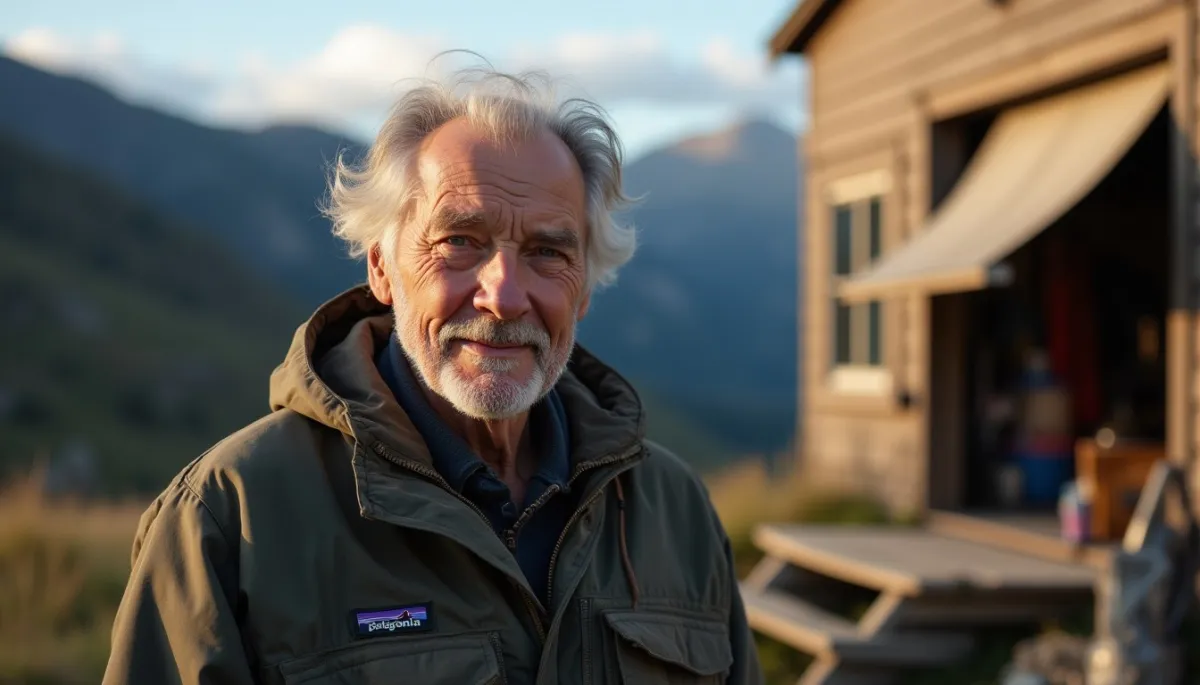
He looks like someone who has spent his life outdoors. Imagine Yvon Chouinard at a sunlit Patagonia store or a workshop in Ventura, California, his hands stained with metal and fabric, boots dusty from a climb, telling stories about pitons, sewing machines, and wild places he wants to protect.
A rebel legacy
Yvon Chouinard was born November 9, 1938, in Lewiston, Maine, and grew up in the Pacific Northwest. He became a climber and a craftsman, learning blacksmithing to make pitons for Yosemite in the 1950s and 1960s. Those early tools gave him a reputation among climbers for quality and ingenuity.
In 1973 he founded Patagonia as an offshoot of his climbing gear company, bringing the same obsessiveness for durability to clothing. Patagonia quickly became known for technical outdoor apparel, a community of climbers and surfers, and a brand voice that refused to be neutral on environmental issues.
His book Let My People Go Surfing, published in 2002, is part memoir, part manifesto. It laid out company principles: build durable products, minimize harm, and put purpose ahead of profit. That mix made Patagonia a cultural icon beyond the outdoors industry.
Forged in the wild
Chouinard's path blends practical craft and moral urgency. In the 1950s and 1960s he and partner Tom Frost were blacksmiths selling pitons to Yosemite climbers. Their gear was simple, effective, and born from direct experience on rock faces.
By the early 1970s the business pivoted from hardware to clothing. Patagonia clothing was designed to endure long days in mountains and rivers. The company also pioneered repair and resale programs, years before circular economy became a buzzword.
Along the way Chouinard helped create 1% for the Planet in 2002, a formal pledge to give back, and Patagonia became one of the first certified B Corporations. Actions followed rhetoric: campaigns like the 2011 Black Friday ad "Don't buy this jacket" challenged consumerism, and Patagonia's Worn Wear program encouraged repair and reuse.
Decision that matters
On September 14, 2022, Chouinard announced a radical transfer of ownership. He placed all voting shares into the Patagonia Purpose Trust, to protect the company's purpose, and the nonvoting shares into the Holdfast Collective, a nonprofit that will use profits to fight the climate crisis.
Practically, this means no private owner extracts profit for personal gain. Instead, Patagonia's future profits are explicitly dedicated to environmental causes. The structure seeks permanence: a trust to enforce mission, a nonprofit to distribute funds.
For many observers this was an unprecedented move for a company of Patagonia's size. It reframed business as an instrument of stewardship, not accumulation. The transfer also raised questions about governance, succession, and how mission-driven entities scale without losing edge.
Contradictions and limits
Chouinard's gesture is historic, yet complex. Patagonia still operates within global markets, sources materials across borders, and faces the usual tensions of manufacturing. Critics point out that no company, however well-intentioned, is perfectly green.
Moreover, transferring ownership does not eliminate all tradeoffs. Supply chains, labor issues, and the emissions tied to global distribution remain challenges. Patagonia has been vocal and proactive on many fronts, yet it continues to navigate imperfect systems.
Still, the 2022 decision sets a new benchmark. It shows that business structures can be designed explicitly for long-term public benefit, and it forces peers to consider alternatives to conventional shareholder capitalism.
Lessons to apply
What can readers take from Chouinard's story? First, prioritize longevity when you buy. Choosing durable items and repairing them reduces waste and often saves money in the long run.
Second, support organizations that align profit with purpose. Look for B Corp certification, transparent giving, and concrete programs like repair clinics or material transparency.
Finally, act locally. Join or support local conservation efforts, learn to mend your own gear, and vote for policies that protect public lands. Big gestures can inspire change, but cumulative small acts sustain it.
Thanks for reading, and don't forget, Enjoy Life Moments!