Yoga in cenotes: when water resonance magnifies the practice
🚀 Key Takeaways
- Key concept : Water surfaces and cave acoustics amplify breathing and sound, enhancing meditation and pranayama.
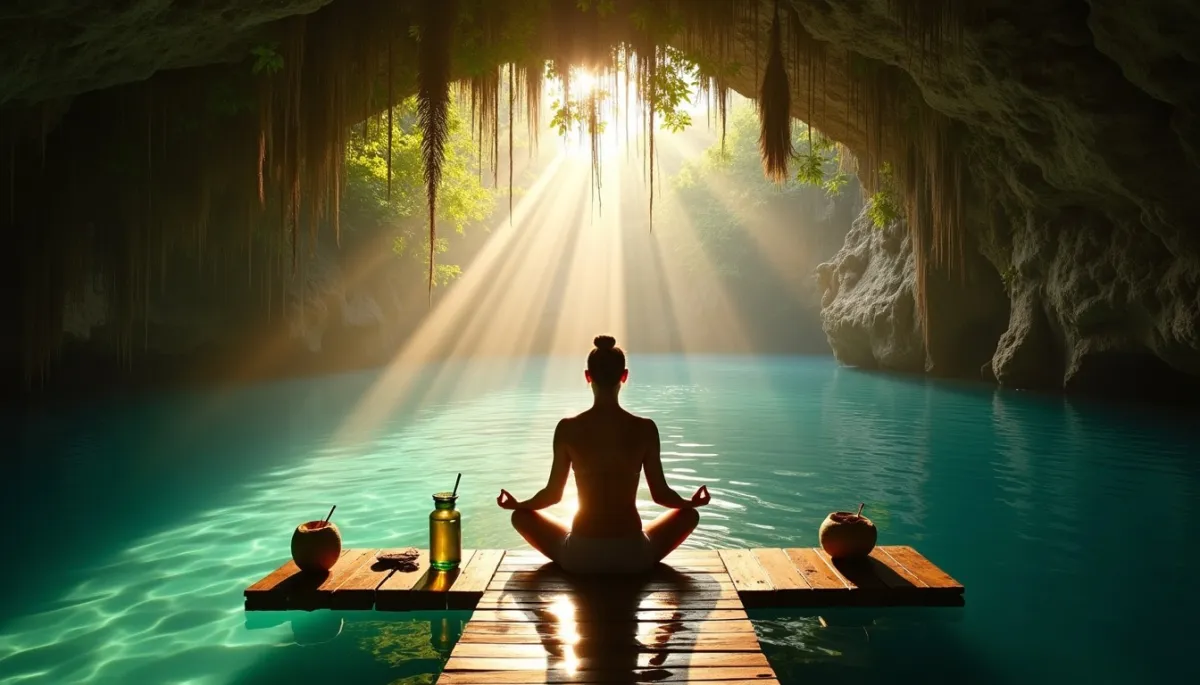
- Practical tip : Choose a sunrise session on a wooden platform at Gran Cenote or a small guided class near Tulum; bring a thin non-slip mat and reef-safe sunscreen.
- Did you know : Cenotes were sacred to the Maya, used for purification and offerings, which adds a cultural layer to the practice.
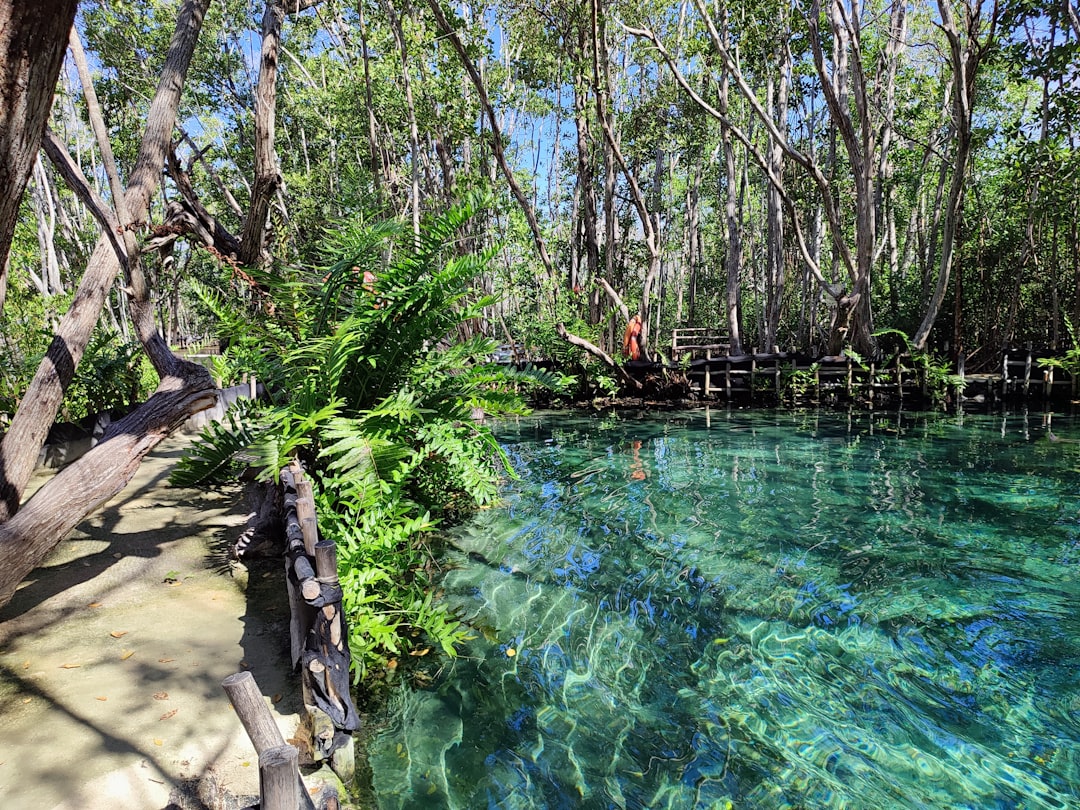
The cenotes of the Yucatán are geological and spiritual thresholds, places where fresh groundwater meets open air. Practicing yoga there is more than a picturesque location choice, it is an encounter with a natural resonance that transforms breath, posture and awareness.
From the open sinkholes like Cenote Ik Kil near Chichén Itzá to the cavernous pools of Dos Ojos and Gran Cenote near Tulum, each site offers different acoustics, humidity and light. Understanding these variables helps you choose the right class and extract maximum benefit from the experience.
Why cenotes amplify the yoga experience
Cenotes are natural amphitheaters. A smooth water surface reflects sound while cave walls create subtle echoes. When you breathe slowly or chant, those vibrations return to you slightly delayed and layered, which can deepen focus and lengthen exhalation in pranayama.
Humidity and temperature also play a role. The microclimate of a cenote often features stable, cooler air and higher humidity, which helps muscle elasticity and respiratory comfort. For meditators, the water’s surface acts like a visual anchor, calming the nervous system.
Concrete benefits for body and mind
Physically, the humid environment reduces joint stiffness and can allow for deeper stretching with less perceived effort. Many practitioners report easier diaphragmatic breathing and improved lung expansion when practiced in this setting.
Mental benefits are pronounced. The combined sensory cues — soft echoes, filtered light from jungle canopy, and the slow motion of water — facilitate a quicker drop into meditative states. This makes cenote yoga ideal for restorative practices, guided nidra and slow vinyasa sequences focused on breath.
How to prepare and stay safe
Logistics matter. Wear a thin, non-abrasive mat or towel; many cenotes provide wooden platforms or flat stone ledges where you can lay your mat. Avoid heavy foam mats that trap water and become slippery. Bring water shoes or sandals to walk on uneven stones and a waterproof pouch for your phone.
Respect safety rules: check water depth before entering, follow the instructor and local signage, and use a life vest if swimming after class. Use reef-safe sunscreen and avoid perfumes or soaps that can pollute the fragile ecosystem.
Where to practice — local recommendations
Tulum offers many cenote yoga experiences: Gran Cenote and the nearby Dos Ojos are popular for their clear water and light; Casa Cenote gives a mangrove ambiance by the sea. Near Valladolid, Suytun and X'keken provide serene cave-like spaces for smaller groups.
For a cultural layer, consider scheduling a visit to the Cenote Sagrado at Chichén Itzá (note that this cenote is primarily archaeological and not for swimming) to better understand the Maya reverence for these water sources. Local studios in Tulum and Valladolid often partner with cenote owners to run small, respectful classes.
Conservation and etiquette
Cenotes are fragile. Use only biodegradable sunscreen, avoid leaving trash, and do not touch stalactites or disturb wildlife. Follow the guidance of guardians and communities who manage access — many cenotes are on private land or under community stewardship.
Consider supporting responsible operators who pay entry fees to local communities and obey capacity limits. The best experience is ethical: it preserves the place and deepens the meaning of your practice.
Thanks for reading, and don't forget, Enjoy Life Moments!