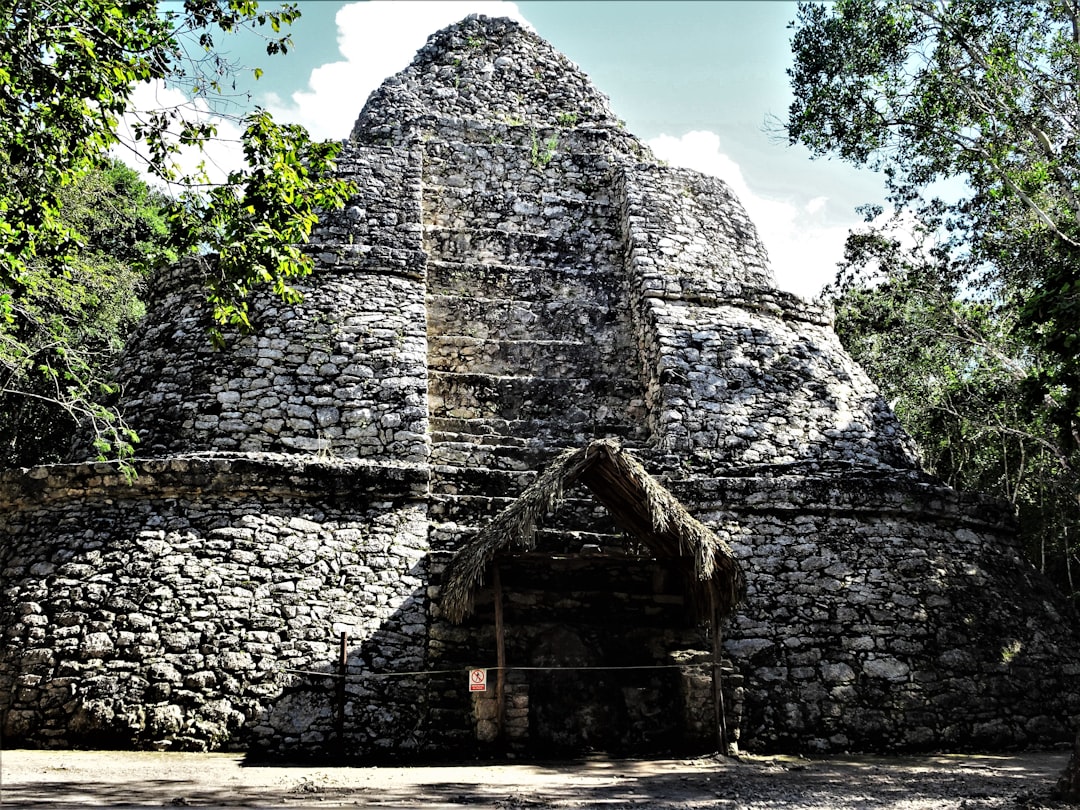
Cenotes: Sacred Places and Sources of Energy
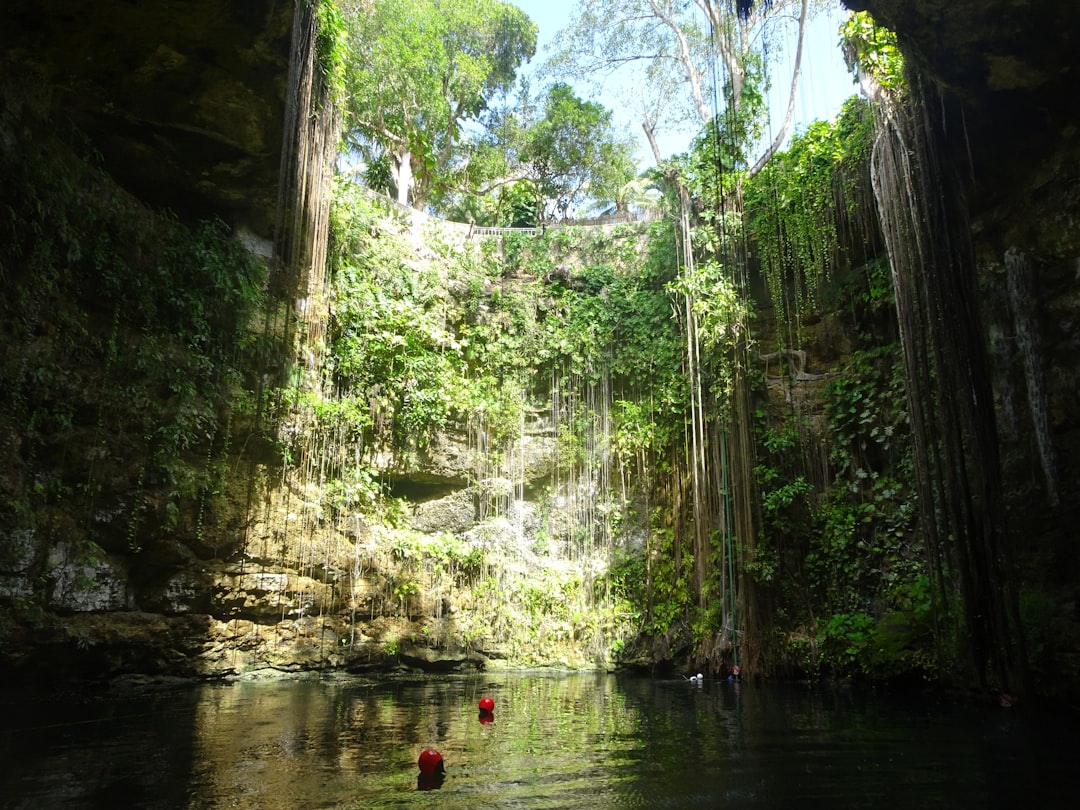
The freshwater caves and sinkholes known as cenotes thread the limestone of the Yucatán Peninsula and have been vital to Mayan communities for millennia. Today they draw travelers seeking beauty, adventure and a deeper connection to nature.
This guide explores why cenotes are considered sacred, how they are perceived as sources of energy, where to experience them on the Riviera Maya, and how to visit responsibly to protect these fragile ecosystems.
What is a cenote (geology and ecology)
Cenotes are natural sinkholes formed when limestone bedrock collapses and reveals groundwater underneath. Over thousands of years, rainwater dissolved the porous rock, creating underground rivers, caverns and dramatic open pools.
Ecologically, cenotes host unique habitats: clear aquifers, specialized fish and algae, and often surprising biodiversity. Their crystal-clear water and stable temperatures make them ideal for snorkeling and cave diving when permitted.
Cenotes in Mayan cosmology and sacred use
For the ancient Maya, cenotes were sacred entrances to the underworld (Xibalba) and life-giving sources of freshwater. Many archaeological finds — pottery, offerings and occasionally human remains — attest to ritual use and deep spiritual significance.
The perception of cenotes as energetic or sacred places continues among local communities. Visitors often report a strong sense of calm, introspection, or renewed energy after spending time beside or within these waters.
Where to experience cenote energy on the Riviera Maya
The Riviera Maya offers a variety of cenotes to suit different tastes: Gran Cenote and Dos Ojos near Tulum for snorkeling and impressive stalactites, Cenote Azul and Jardín del Edén near Playa del Carmen for open swimming, and Casa Cenote for mangrove-meets-freshwater landscapes.
Each cenote has its character — some are cave systems with dim shafts of light that feel almost cathedral-like, others are open pools rimmed by jungle and sunlight. Choose based on access, permitted activities, and your comfort with water and cave environments.
How cenotes are experienced as sources of energy
Many travelers describe cenotes as energetic wells because of their profound silence, the interplay of light under the water, and the sense of immersion in an ancient environment. Meditation, slow swimming, and silent reflection are common ways visitors tap into that atmosphere.
For those practicing yoga, breathwork or mindfulness, a cenote visit can amplify the sense of grounding and rejuvenation. Always be mindful that these are natural and culturally sensitive spaces — energy-focused practices should be quiet and unobtrusive.
Practical tips, safety and etiquette
Respect local rules: many cenotes prohibit sunscreen, insect repellent and plastic to protect water quality. Use biodegradable products only where explicitly allowed. Change into swimwear outside the cenote and rinse at provided stations if available.
Some cenotes are shallow and family-friendly, others require cave-diving certification. Always check accessibility, bring a waterproof flashlight for cave sections, never dive without a qualified guide, and avoid touching stalactites or disturbing wildlife.
Responsible tourism and conservation
Cenotes are fragile. Increased tourism can introduce pollution, disturb ecosystems and endanger archaeological sites. Support operators who follow conservation practices, limit group sizes, and contribute to local protection efforts.
Before you go, read reputable resources on cenotes and Yucatán groundwater. For scientific and cultural background, see the detailed encyclopedia entry on Wikipedia. For broader context on Mexico's natural heritage, consult National Geographic.
How to choose the right cenote experience for you
If you seek meditative calm and sacred ambiance, smaller, less-visited cenotes at dawn or late afternoon can offer solitude and soft light. Photographers will find dramatic shafts of sunlight and reflections, while divers can explore complex underwater cave systems with certified guides.
Consider accessibility and impact: opt for community-run cenotes when possible, respect entrance fees as support for maintenance, and prioritize sites that limit numbers to preserve the experience for future visitors.
Thanks for reading, and don't forget, Enjoy Life Moments!