The return of the wolf to the Vaud Alps: coexistence and ecological challenges
🚀 Key Takeaways
- Core concept : Wolves are naturally recolonizing the Swiss Alps, including the canton of Vaud, influencing ecosystems and farming practices.
- Practical tip : Grazing protection (patou dogs, electric fences, night enclosures) reduces attacks; report sightings to the Office fédéral de l'environnement (OFEV) and cantonal services.
- Did you know : Large carnivores can trigger trophic cascades, helping regenerate forests by changing herbivore behavior.
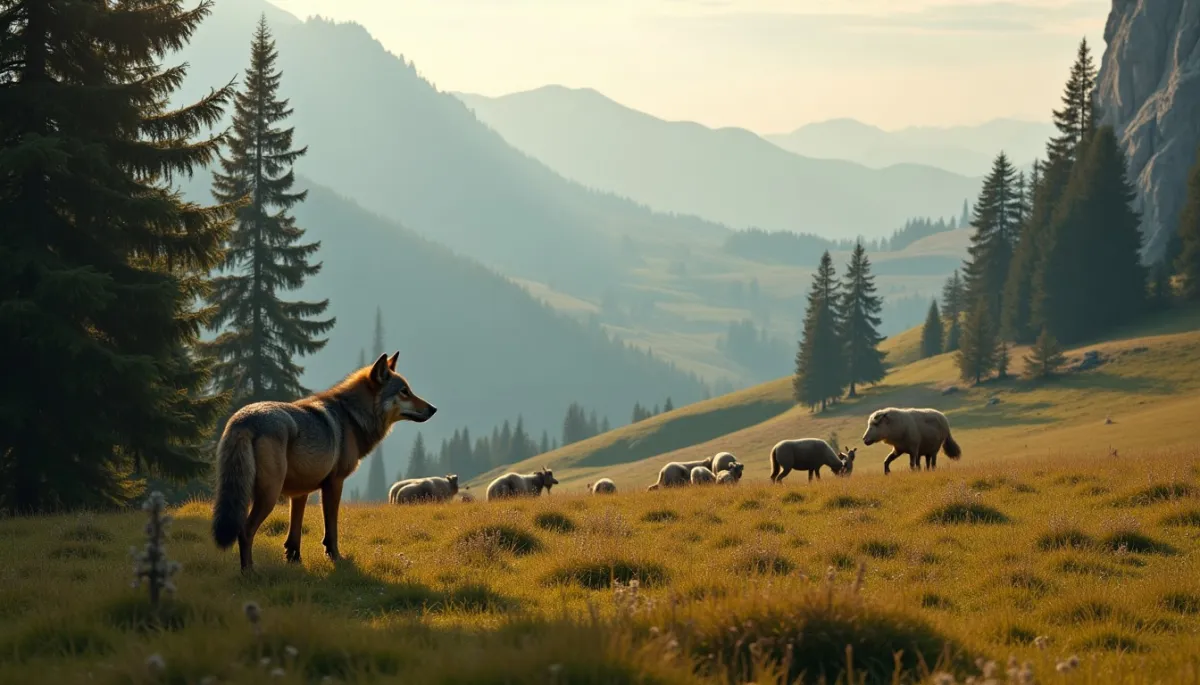
Silent, majestic, unexpected. Imagine walking at dawn near Col des Mosses, the air cool, the valley asleep, and catching sight of a wolf slipping between larch trees.
ombres sur les alpages
The presence of wolves in the Vaud Alps is no longer anecdotal. Since the broader recolonization of the Alps that began in the 1990s, sightings and confirmations by field teams have multiplied in recent years, with several verified tracks and camera-trap images on the slopes of Les Diablerets and surrounding massifs.
For local farmers and shepherds, the consequence is tangible: attacks on sheep flocks have been reported sporadically, and animals are now managed with new routines. In several communes above Aigle and Château-d'Oex, farmers have adopted night enclosures and shepherd rounds adapted to the presence of predators.
Beyond pastoral losses, ecologists note ecosystem effects. Wolves prey primarily on ungulates such as roe deer and red deer. Their return can reduce browsing pressure in sensitive alpine meadows and young forests, with potential long-term benefits for biodiversity and slope stability.
racines et routes
The why is straightforward: natural expansion and protection. After centuries of absence, wolves from Italy and France have been moving back into Switzerland since the late 20th century. Protected by national and international law, and helped by connected mountain corridors, individuals and small family groups now cross borders with relative ease.
Human factors also explain the trend. Rural abandonment of high pastures, reforestation in some valleys, and population growth of deer and chamois provide attractive prey resources. In addition, coordinated monitoring by the Office fédéral de l'environnement (OFEV) and cantonal services has improved detection, making the phenomenon more visible to the public.
Policy responses have followed. Cantons coordinate compensation schemes for livestock losses, and technical recommendations (electric fencing, guardian dogs called patous, shepherd presence) are promoted. These measures aim to reduce conflicts while preserving natural recolonization.
entre espoirs et tensions
But coexistence is not without tensions. Some farmers express frustration at repeated attacks and the bureaucratic delays in compensation. Local elected officials sometimes face pressure to authorize targeted interventions when a particular wolf is implicated repeatedly.
Conservationists warn against short-term solutions that could fragment populations. Wolves are territorial, and removing individuals can create vacancies that attract dispersers, perpetuating conflict if root causes are not addressed.
Looking forward, the challenge is pragmatic: blend science-based wildlife management with empathy for mountain livelihoods. Pilot projects around Montreux and the Pays d'Enhaut have shown promising results when shepherds, vets, ecologists and municipalities co-design protection plans adapted to alpine realities.
gestes qui comptent
What can residents and visitors do? Hikers should keep dogs leashed near flocks, avoid driving livestock at dusk without notifying shepherds, and report fresh signs (tracks, scats, camera images) to cantonal services. For farmers, investing in sturdy enclosures, coordinating grazing rotations and using patous remain the most effective preventive steps.
Financial help exists: cantonal compensation and federal support programs help cover losses and prevention costs. Contact your commune or the OFEV for current procedures and practical guides.
Finally, the return of the wolf invites a cultural shift. In village cafes from Villars to Leysin, stories of encounters—some fearful, some admiring—are already part of conversation. Knowing the facts, sharing experience, and trying local protection measures can turn conflict into coexistence.
Thanks for reading, and don't forget, Enjoy Life Moments!