Digital detox in an alpine chalet: disconnecting without Wi‑Fi or electricity
🚀 Key Takeaways
- Core concept : A deliberate break from screens in a traditional alpine chalet.
- Practical tip : Park devices in your luggage and bring a paper map, a book, and warm socks.
- Did you know : Lavaux terraces are UNESCO-listed since 2007, and many local chalets sit within walking distance of historic vineyards.
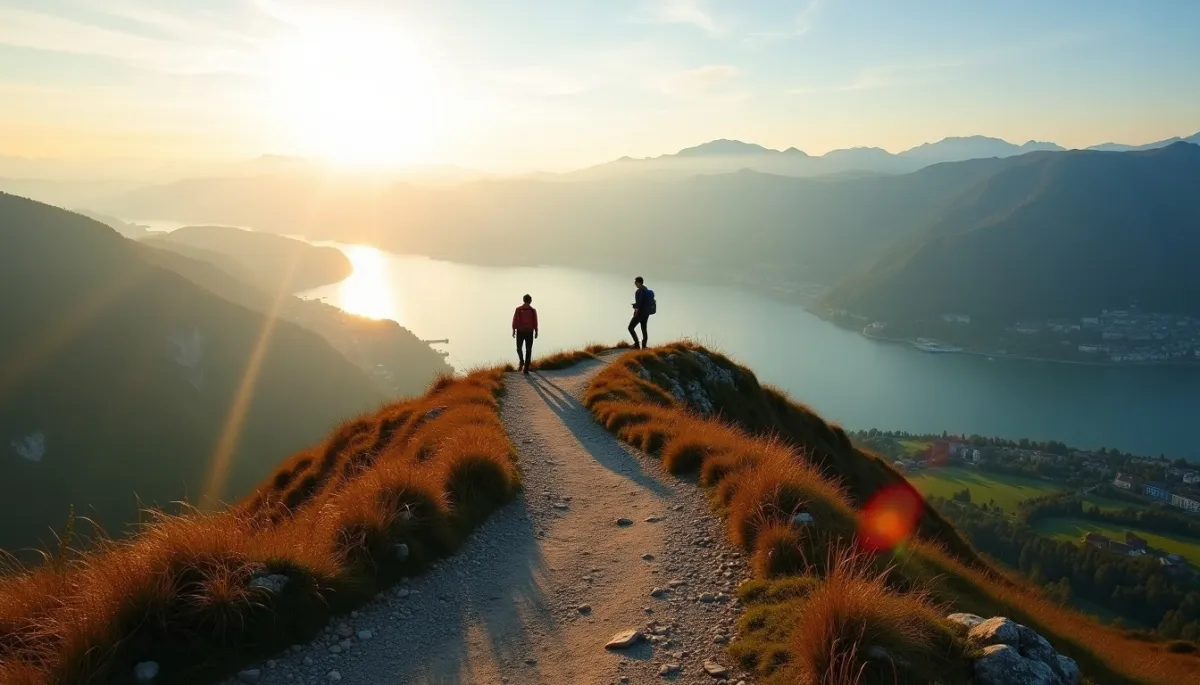
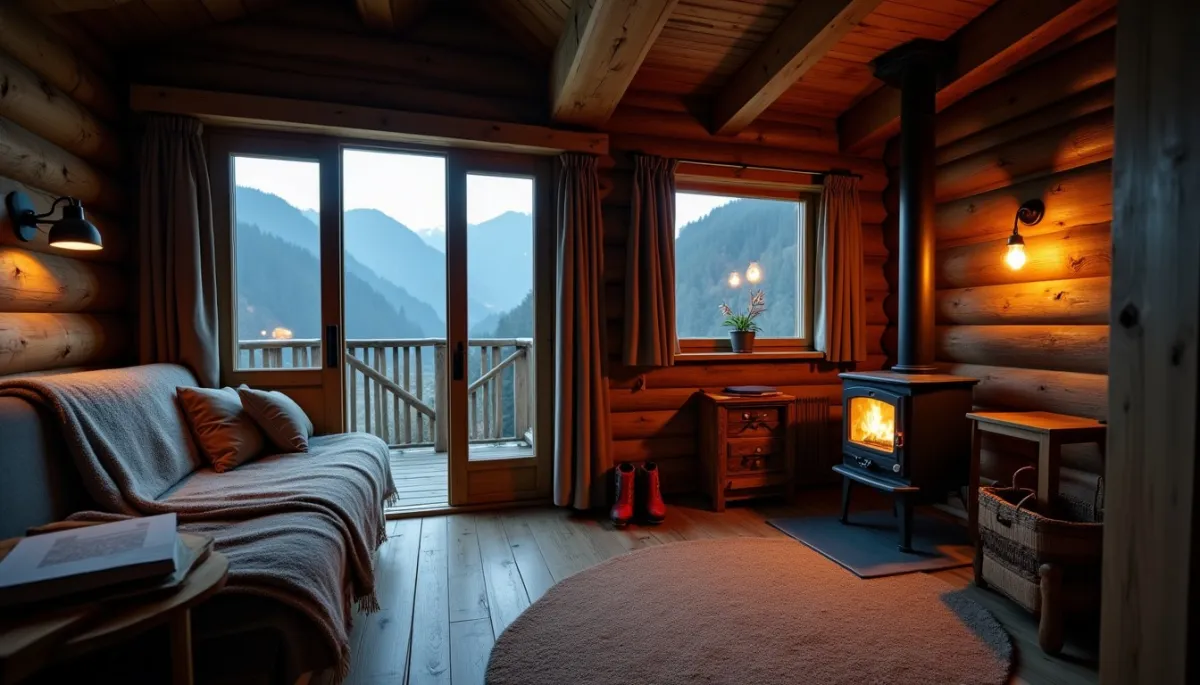
Silence feels heavy at first, then generous. Imagine arriving by foot from a narrow mountain path, the last pixel of mobile coverage blinking out as you push open an oak door to a chalet with no electricity, only the smell of brushed wool and warm wood.
Rythme retrouvé
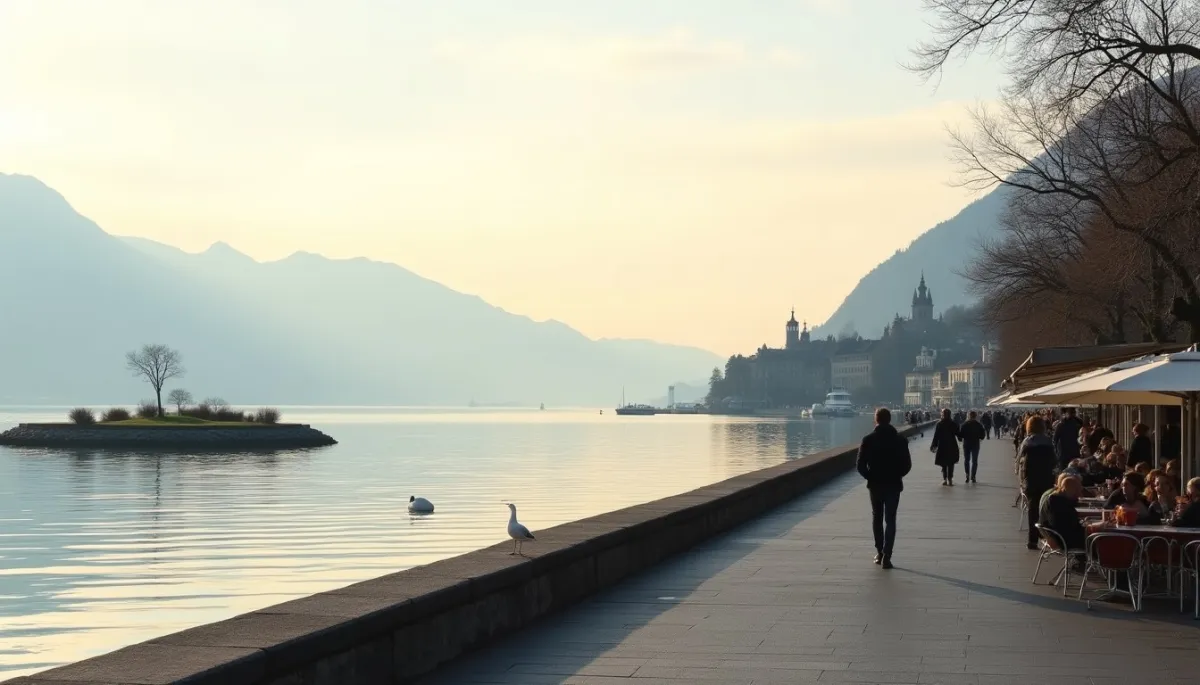
The trend of leaving devices behind gained momentum in the 2010s, amid growing research on screen fatigue and sleep disruption. In Switzerland many small operators now offer low-tech stays, and on the Riviera suisse the idea has a particular charm because the contrast between lakeside life and alpine solitude is so immediate.
From Montreux to the pastures above Blonay, chalets d'alpage are part of a living pastoral tradition. In summer, transhumance routes bring cows up to high meadows where chalet-keepers tend cheese and milk, a ritual unchanged in essentials for centuries. This continuity makes the absence of Wi-Fi feel like an honest invitation, not deprivation.
Practical consequence: guests report better sleep, deeper conversations, and an awareness of time measured by daylight instead of notifications. A 2022 European study found that short digital sabbaths can reduce perceived stress; locally, hosts on the Riviera note repeat bookings for these low-tech retreats.
Pourquoi partir
There are several reasons why people choose a digital detox in a chalet. The first is biological. Exposure to blue light from screens suppresses melatonin, the sleep hormone. When you replace evening scrolling with candlelight, your circadian rhythm often recalibrates within 48 hours.
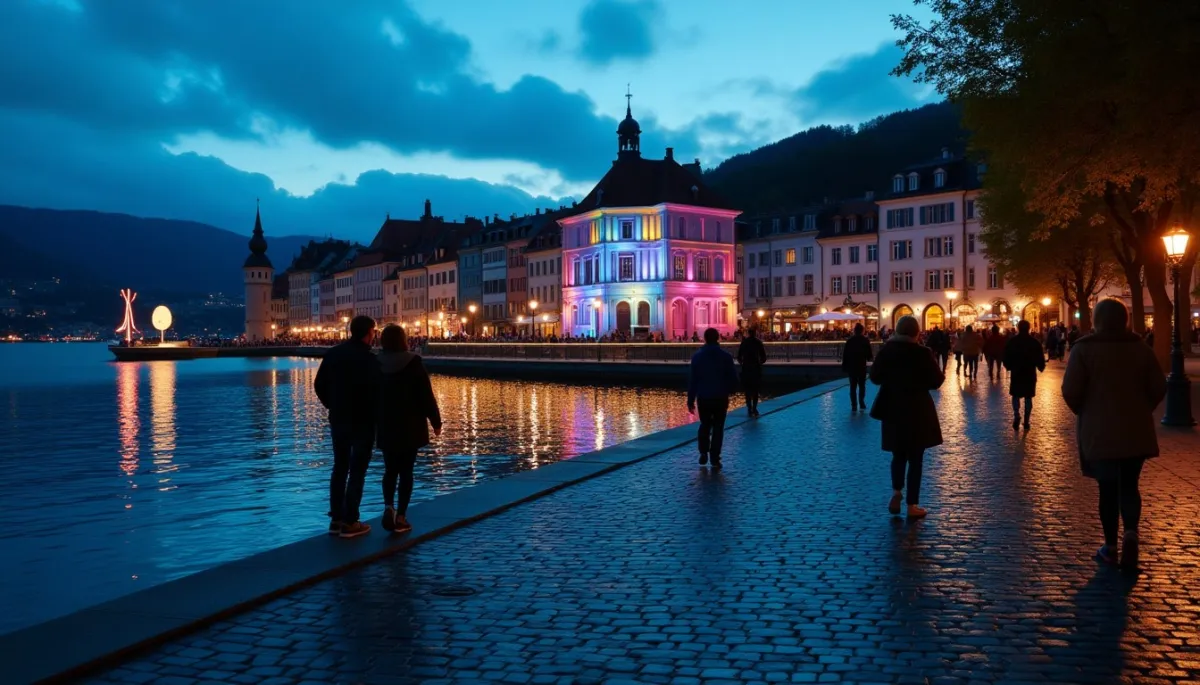
Another reason is relational. Couples and friends come to test whether they can reconnect without the safety net of constant contact. The Montreux region has hosted creative residencies where writers and musicians deliberately omit technology to stimulate new work; the Montreux Jazz Festival, founded in 1967, itself grew from a value placed on live presence.
Finally, there is a cultural motive. People seek authenticity. Walking through Lavaux, whose vineyard terraces earned UNESCO status in 2007, or climbing to a pasture near Rochers-de-Naye, places you in a landscape where human life has always followed seasonal, tactile rhythms.
Vérité et paradoxes
Leaving technology behind is not always straightforward. Safety is a common concern. Responsible hosts provide clear instructions: where to park, how to reach the nearest phone point, and the schedule of local caretakers. In the Vaud Alps, emergency protocols are well established, and mountain rescue services are modern and efficient.
There is also an economic paradox. Rural hosts see an opportunity. Some chalets now offer hybrid stays, with the option to return to connectivity at a lower-altitude refuge. This meets demand while preserving the authenticity of the highest pastures. It allows a family to split time between offline and online, which can be more realistic than an absolute fast.
Finally, the experience is personal. Some visitors find the silence restorative at once, others feel anxious for an afternoon. The key is intention: set a realistic time window, inform friends, and bring a small analog toolkit: flashlight, paper journal, wool blanket, and a guidebook for alpine plants and stars.
Conseils pratiques
Choose the right chalet. Above 1,200 meters many alpine huts lack electricity by design. Ask about compost toilets, water sources, and whether meals are provided. If you are unsure, start with one night, not a week.
Pack deliberately. A small power bank is fine if you need a safety line, but try to resist daily charging. Bring cash for local purchases. Local producers often sell cheese and dried meats directly at the farm, a way to support seasonal shepherds.
Engage with the place. Help with milking, if invited. Learn local names for flowers and birds. At night, spread a blanket and watch the Milky Way; in many alpine spots, skyglow is minimal and stars seem close enough to touch.
Thanks for reading, and don't forget, Enjoy Life Moments!