VIP silent stays: paying to be quiet in luxury ecolodges
🚀 Key Takeaways
- Core concept : VIP silent stays combine high-end eco-design with rules that limit noise and digital intrusion.
- Practical tip : Ask about 'no-phone' hours, transport logistics, and the ecolodge's community projects before booking.
- Did you know : Sian Ka'an is a UNESCO biosphere reserve since 1987, offering protected soundscapes near several ecolodges.
Silence feels like a present. Imagine dawn light on a wooden deck, birds starting the day, and not a notification in your pocket.
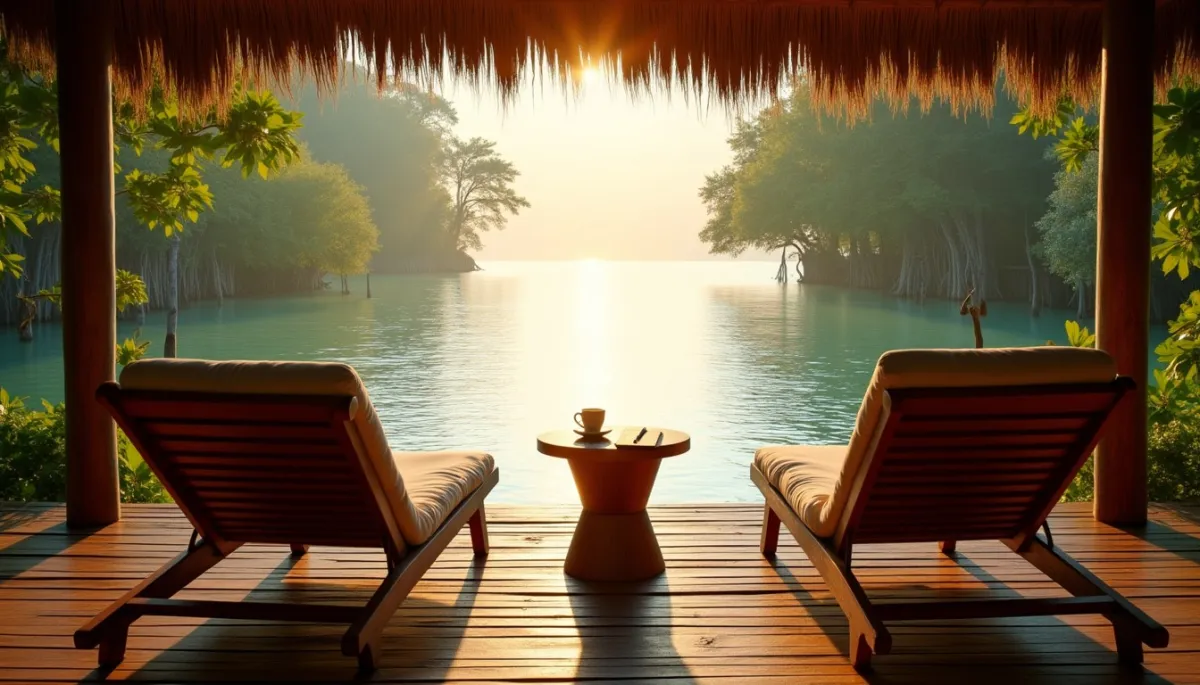
On a warm morning near Tulum, the veranda of a boutique ecolodge faces a thicket of mangroves. Staff speak in low tones, the generator is off, and guests move barefoot between yoga platforms and glass-walled bathrooms. There is the deliberate absence of background music, and the only soundtrack is the slow, local rhythm of waves and leaves.
Silence à prix
Across the Riviera Maya, a new segment of tourism packages sells silence as a feature. From 2021 onward, several high-end ecolodges began offering 'silent rates' or private-booking options, where entire properties are reserved and normal entertainment services are suspended.
These packages often include private chefs, guided walks in protected areas, and agreements on digital minimalism. In Tulum, for example, some resorts emphasize low light, limited electricity and soundproofing designed to preserve the natural acoustic environment at night.
The consequence for the local scene is double. On one hand, higher per-night revenue supports conservation fees and local employment. On the other hand, exclusivity can create access tensions for local residents who may feel priced out of coastal spaces historically shared by communities.
Pourquoi cela attire
The wish to escape noise has deep roots. The pandemic from 2020 accelerated a desire to disconnect, while global stress markers and reports about digital overload made silence a sought-after commodity among well-traveled clients.
Luxury ecolodges answer this by combining sustainable architecture with imposed quiet rules. Places like the boutique resorts around Tulum, some inspired by designers such as those behind Azulik, have popularized low-impact materials and spaces that encourage contemplation and solitude.
For many guests, the attraction is both physiological and social. Studies on soundscapes, increasingly cited in wellness circles, show that lower ambient noise improves sleep quality and reduces cortisol. For the wealthy traveler, paying more to guarantee that benefit becomes reasonable.
Tensions et limites
However, the trend raises questions of fairness and authenticity. Charging a premium for silence risks turning a public good, quiet nature, into a privatized experience. Local fishermen or families may find themselves excluded from beaches or cenotes now marketed as 'private sound sanctuaries.'
There is also the risk of greenwashing. Not every ecolodge that claims 'eco' or 'silent' has robust community programs or verifiable conservation actions. Responsible travelers should request proof of partnerships with local cooperatives and official conservation fees.
Looking ahead, regulators and community leaders around Quintana Roo could define clearer rules for noise, beach access and sustainable operations. Some initiatives already link conservation fees to community projects. Travelers can push the market by favoring operators transparent about their social and environmental impact.
Conseils pratiques
Before booking, ask about the lodge's sound policy, night-time generator rules, and whether rooms have double glazing. Confirm how the property handles arrivals and departures to avoid generating traffic at quiet hours.
Pack for silence. Bring low-light reading lamps, a travel journal, and offline activities. Consider booking a guided soundwalk with a local naturalist to learn about the area's acoustic ecology.
Finally, remember to respect local customs. A silent stay is not only about personal peace. It is a chance to listen to a place, support local stewards, and leave a smaller footprint.
Thanks for reading, and don't forget, Enjoy Life Moments!