Vaud truffle: the quest for the black diamond in the Jorat forests
🚀 Key Takeaways
- Core concept : Truffle hunting and cultivation are developing in the Jorat, combining wild finds and inoculated truffières.
- Practical tip : Always ask landowner permission, use a trained dog, and avoid damaging tree roots.
- Did you know : Swiss chefs around Lake Geneva increasingly value local truffles, even if most truffles consumed in Switzerland are still imported.
Soft earth, a cold breath, and a dog that refuses to stay still.
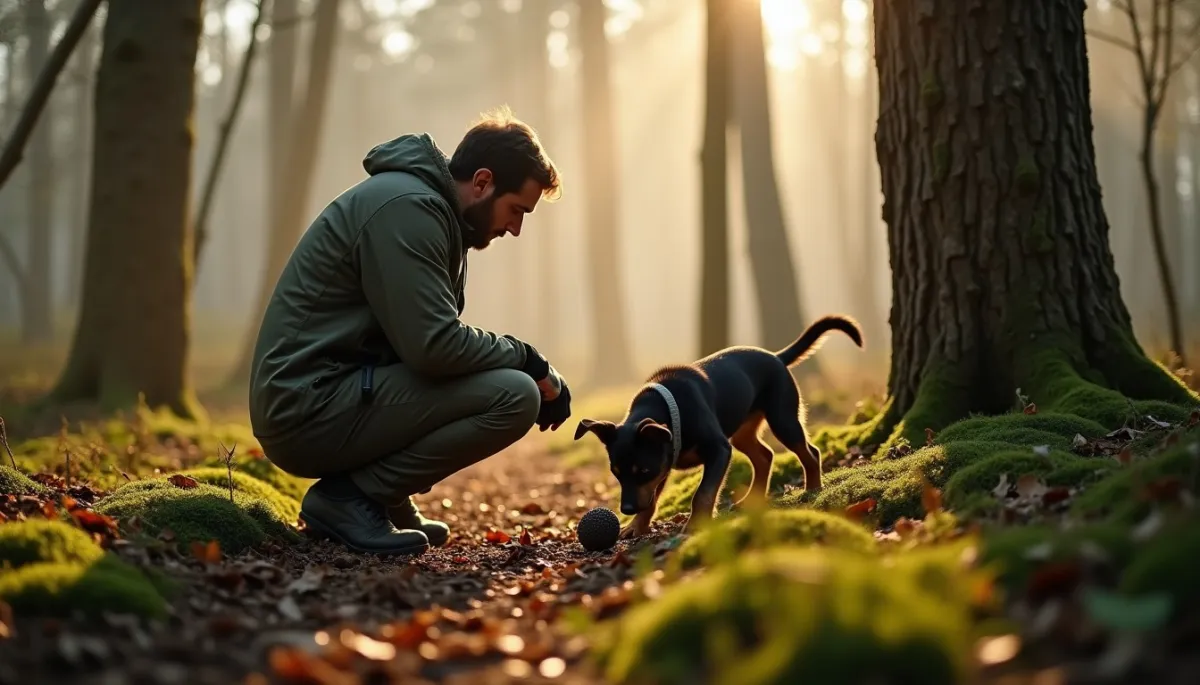
Imagine early morning under beech and oak, a golden mist over the paths of Montpreveyres, and a truffle dog scratching at a promising spot. The scene repeats through the villages of the Jorat, where hobby foragers, trained handlers and a few pioneering farmers search for Tuber species between spring and winter.
Sous-bois précieux
The Jorat is not a mythical land of truffles, but it offers the right ingredients: calcareous soils in places, mixed deciduous stands and long, humid autumns. Over the last two decades, awareness that local forests can host truffles has grown among naturalists and gastronomes.
Wild finds remain sporadic. Most discoveries are of the summer or autumn truffle complex (often called Tuber aestivum / Tuber uncinatum), which appear from late spring to autumn. The prized winter black truffle (Tuber melanosporum) is rarer in Swiss wild sites, though experimental plantations have been attempted.
For residents, even a single small truffle is a local event. Chefs in Lausanne and Vevey sometimes pay a premium to source nearby specimens, which adds a cultural value beyond market price. The narrative of a forest-to-table truffle resonates with diners keen on provenance.
Racines et greffons
Why talk about truffles in Vaud now? Part of the answer is deliberate cultivation. Since the 2000s, nurseries in Switzerland and nearby France offer oak and hazel saplings inoculated with truffle mycelium. Farmers and amateurs plant these truffières to diversify income or to create long-term agroforestry projects.
Research institutions, notably Agroscope, have monitored trials and soil interactions, making information more accessible to Swiss growers. Practical know-how, such as matching tree species to soil pH and managing canopy cover, reduces the gamble inherent in truffle culture.
Another driver is demand from gastronomy. High-end kitchens around Lake Geneva, and several local restaurants, prize the story of a locally found truffle. That symbolic value helps justify the patient investment of a truffière, which often takes several years to produce.
Sentiers à suivre
The rise of local truffle interest is not without tensions. Foraging in public and private forests must respect rules. In Vaud, permissions from landowners are essential. Uncontrolled digging damages tree roots and soil structure, harming future truffle prospects.
Dogs replaced pigs long ago in many regions because they retrieve without eating the truffle, and handlers can control them more easily. Training a dog takes time, and joining a local truffle club or following a course is the best route for beginners. Local associations sometimes organize workshops and supervised sorties.
Looking ahead, climate variability is a real variable. Warmer, drier summers can shift truffle seasons or favor different species. That uncertainty means Swiss truffle development will stay cautious and experimental, balancing wild foraging, small-scale orchards and culinary demand.
Practical advice: start by contacting a local guide or municipality to know the rules, invest in a well-trained dog rather than digging wildly, and if you plant a truffière, be prepared for a multi-year commitment.
Thanks for reading, and don't forget, Enjoy Life Moments!