The Tropezienne sandal makers: hand-stitched leather that weathers time
🚀 Key Takeaways
- Core concept : The sandale tropézienne is a handmade leather sandal, valued for its saddle-stitch (seller stitch) assembly and resolability.
- Practical tip : Choose vegetable-tanned leather and stitched construction; repair local soles to extend life.
- Did you know : The model became emblematic of Saint-Tropez from the 1950s, after Brigitte Bardot helped popularize Riviera barefoot chic.
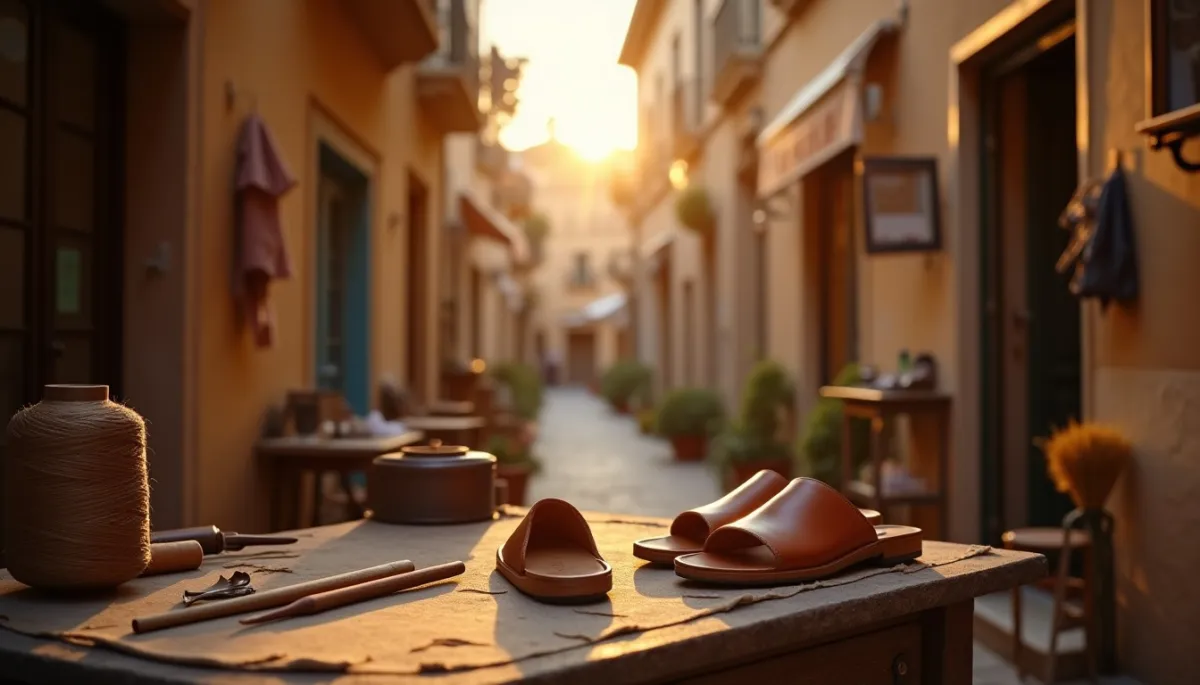
Sunshine, sea-salt, and the soft thud of a hammer on leather. Imagine a tiny atelier where a cobbler leans over a wooden last, threading waxed linen through thick goat leather.
rives et histoire
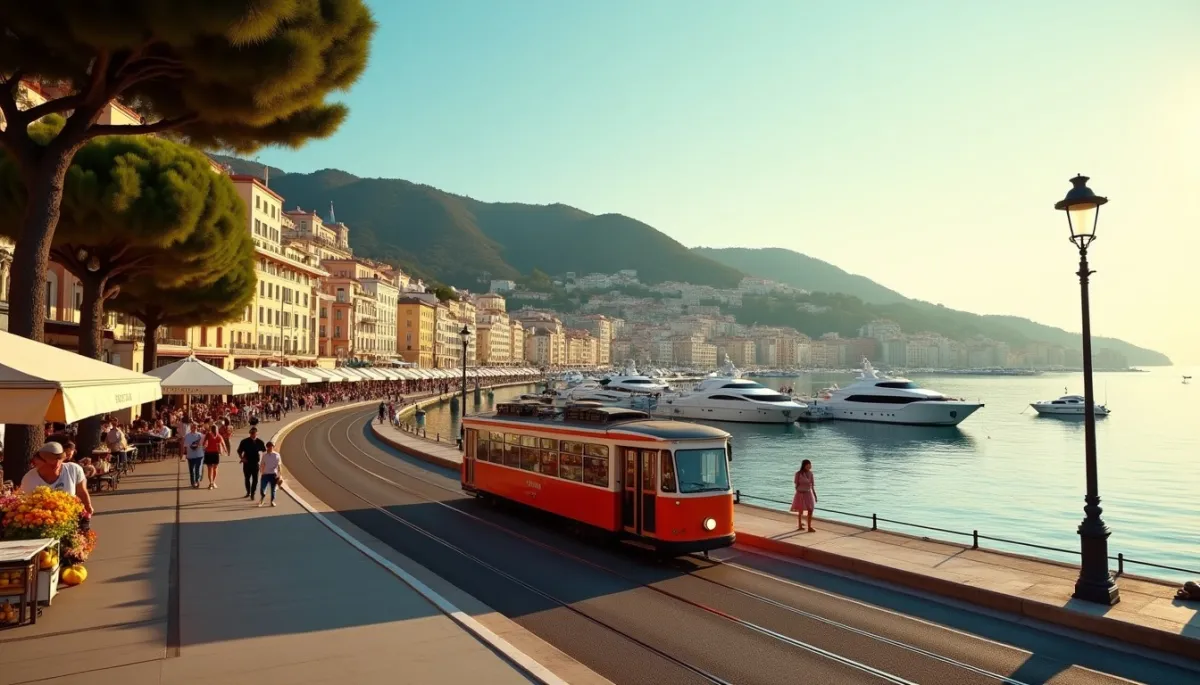
The sandale tropézienne is inseparable from the Riviera coastline. In the 1950s and 1960s, Saint-Tropez became a magnet for artists and film stars; the town's barefoot, effortless glamour helped the sandal cross from local utility to international symbol.
Brigitte Bardot, especially after the 1956 film Et Dieu... créa la femme, contributed to that aura. Photographs of the era show relaxed silhouettes, open sandals and sun-browned feet on the beaches of Pampelonne.
Beyond celebrity, these sandals trace a longer craft lineage. Rural Provence and nearby leather regions (such as around Marseille) supplied hides and tannery know-how. Small family ateliers along the coast adapted saddle-stitch techniques used in saddlery to assemble thin leather soles that could be repaired.
cuir et couture
At the heart of the sandale tropézienne is the leather and the stitch. Artisans prefer vegetable-tanned hides for their patina; over years they mellow and darken, telling the owner's story.
The assembly often uses a piqûre sellier (saddle stitch), a two-needle hand technique that produces a durable seam. Waxed linen thread resists salt and friction better than machine thread. The edge is burnished and glued, then hand-stitched to a lasting strip so the sole can be removed and replaced.
This construction differs from glued, mass-produced sandals. Where a glued sole delaminates in a few seasons, a hand-stitched pair can be re-soled multiple times. Several Saint-Tropez ateliers still offer resoling services for decades-old pairs.
atelier vivant
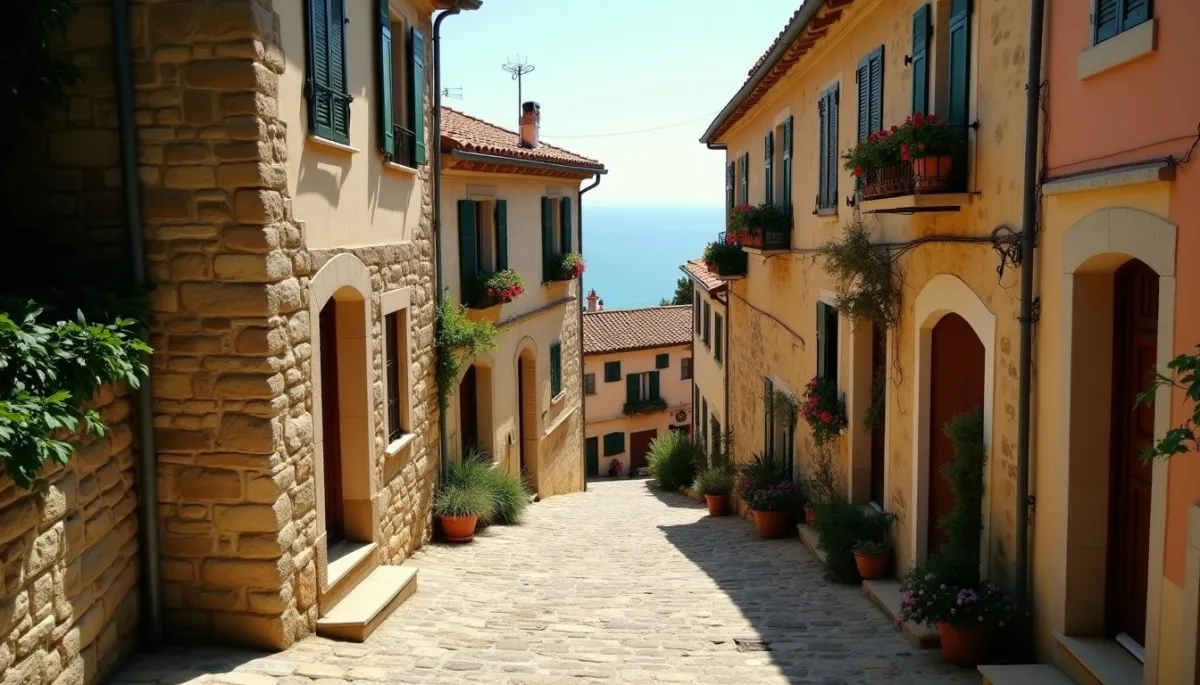
Walk through La Ponche or along the quay at dawn and you will meet these workshops: cobblers who learned the trade from fathers and grandfathers. Their benches are simple, their tools older than some of their customers.
Many artisans balance tradition and modern demand. They keep hand-stitching for durability, and sometimes introduce ergonomic footbeds or vegetable dyes to meet contemporary expectations. Workshops often operate with a handful of employees, producing limited runs rather than mass batches.
Local markets and summer boutiques connect these makers to tourists and collectors. A tourist who buys a pair in July and returns five years later for resoling becomes part of a loop that sustains the craft economically and culturally.
tendances et raisons
Why does the sandale tropézienne endure now? Partly because of a broader renaissance for slow, repairable goods. Consumers increasingly favor products with stories: where leather comes from, who stitched it, whether it can be mended.
The Riviera image also helps. The idea of an authentic, handcrafted object purchased en bord de mer resonates with visitors who want a tactile souvenir of place. That narrative sells better than anonymous, disposable footwear.
Designers and small brands have revived classic shapes while keeping traditional stitches. Collaborations between young designers and old ateliers have produced limited editions that sell out quickly during the Cannes and Saint-Tropez seasons.
risques et équilibres
But contradictions persist. Rising leather prices, regulations on tanning processes, and competition from cheap imports pressure small ateliers. Some makers supplement income with repairs, bespoke orders, or teaching workshops to visitors.
Environmental concerns also push change. Vegetable tanning is preferred, but it can be costlier. Some artisans experiment with recycled soles or alternative dyes, trying to reconcile authenticity with sustainability.
Despite challenges, the essential advantage remains: a hand-stitched sandal is a repairable object, a small counterpoint to the throwaway economy. In that resilience lies its future on the French Riviera and beyond.
Thanks for reading, and don't forget, Enjoy Life Moments!