Temazcal and shamanism: when elite athletes turn to traditional medicine to heal their mind
🚀 Key Takeaways
- Concept key : Temazcal is a pre-Hispanic sweat lodge ceremony used for purification and recovery.
- Practical tip : Choose certified guides in Tulum or Valladolid, hydrate well and avoid sessions if you have heart conditions.
- Did you know : Modern sports science is studying heat therapy benefits, linking sauna-like exposures to improved recovery and stress reduction.
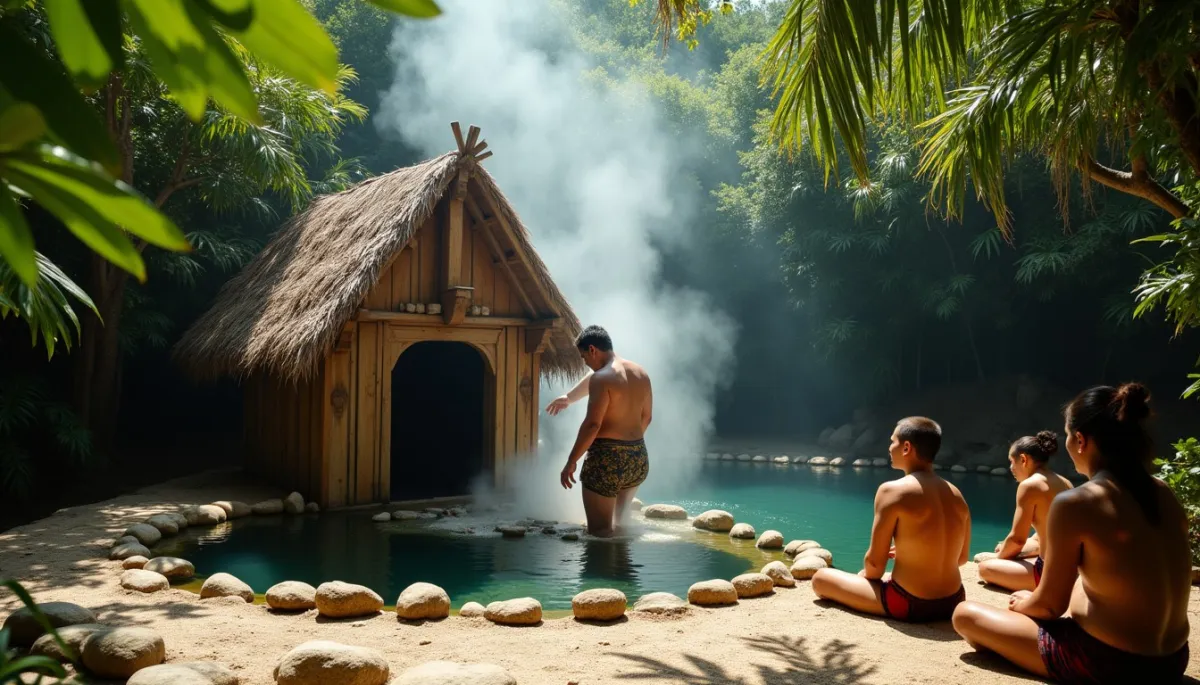
Feel the heat. Imagine heavy stones steaming under a thatched roof, a small circle of athletes breathing in the same air as a temazcalero (ceremony leader) chants softly.
Ancient heat
On the Riviera Maya, temazcales still sit near cenotes and jungle clearings. Wooden doors, low domed structures and the smell of copal create an intimate setting that contrasts with a stadium's bright lights.
For centuries the temazcal has been used by indigenous communities across Mesoamerica, from the Maya to the Aztecs, to mark rites of passage, treat ailments and renew the spirit. The word itself, from Nahuatl, means "house of heat".
Today, hotel wellness programs in Tulum, Playa del Carmen and Mérida offer temazcal experiences marketed to international guests. Among them are professional sports teams and individual athletes seeking more than just a massage.
Visible effects
The trend is tangible. In recent years, athletic retreats and private coaches have included temazcal sessions in recovery plans for triathletes, surfers and footballers who train in Mexico. The appeal is both symbolic and practical.
From a physical perspective, heat exposure and steam can relax muscles, improve circulation and promote a parasympathetic response, which helps with sleep and emotional regulation. These effects echo those found in research on saunas and hot water immersion; for example, studies published since 2015 have linked regular heat therapy to reduced markers of inflammation and improved recovery.
Mental recovery is equally sought after. High-performance athletes face chronic pressure, performance anxiety and media scrutiny. A guided ritual, with focused breathwork and communal silence, can act as a reset, offering psychological framing that modern therapy sometimes does not provide.
Why they come
Athletes are pragmatic. When conventional sports medicine, cryotherapy and physiotherapy address the body, many look for complementary approaches to treat stress, sleep disruption and mental fatigue. Temazcal and shamanic sessions promise a holistic return: body, breath and story.
There is also a search for meaning. In a hyper-optimized training culture, rituals reconnect athletes to ancestry and nature. Training camps in the Yucatán now pair strength sessions with visits to Mayan healers or night swims in cenotes, offering narratives that help teams bond.
Local practitioners sometimes adapt ceremonies for athletes, integrating guided visualization, breath coaching and post-ceremony protocols such as rehydration and gentle stretching, bridging tradition and performance science.
Tensions and questions
But the trend raises questions. Cultural appropriation and commodification are real concerns. Traditional temazcaleros have criticized touristic shortcuts where ceremonies are offered without deep cultural context or proper respect for lineages.
Medical caution is necessary. Heat exposure is not safe for everyone. People with cardiovascular disease, pregnancy or uncontrolled hypertension should avoid temazcal. Responsible operators require health screenings and clear consent.
Finally, scientific evidence remains partial. While heat therapies show promise for recovery, rigorous randomized trials specifically on temazcal are limited. The combination of ritual and expectation may amplify benefits through placebo and contextual factors, which are not negligible.
Practical advice
If you are an athlete curious about trying a temazcal in the Riviera Maya, pick a locally recommended temazcalero and ask about their training and lineage. Hotels in Tulum increasingly partner with authentic practitioners; verify their connection to local communities.
Hydrate before and after, avoid alcohol, and plan a light day of training following the ceremony. Communicate any health issues in advance. Respect the ritual: ask about dress code (often modest bathing suits or light clothing), photography rules and the symbolic meaning of chants and offerings.
Finally, consider temazcal as one tool in a broader recovery plan. Combine it with evidence-based practices: sleep management, nutrition, targeted physiotherapy and mental coaching.
Thanks for reading, and don't forget, Enjoy Life Moments!