Slow luxury: how time has become the most precious resource of the ultra-rich
Slow luxury is not the accumulation of objects, it is the reclamation of time. In 2026, the ultra-rich will favor long-term experience over impulsive purchases.
🚀 The essentials
- Key concept: Time becomes a rare commodity and a social marker.
- Practical advice: Choose extended stays and private itineraries to experience slow luxury.
- Did you know: The big houses now sell private trips and seasonal residences focused on rhythm and know-how.
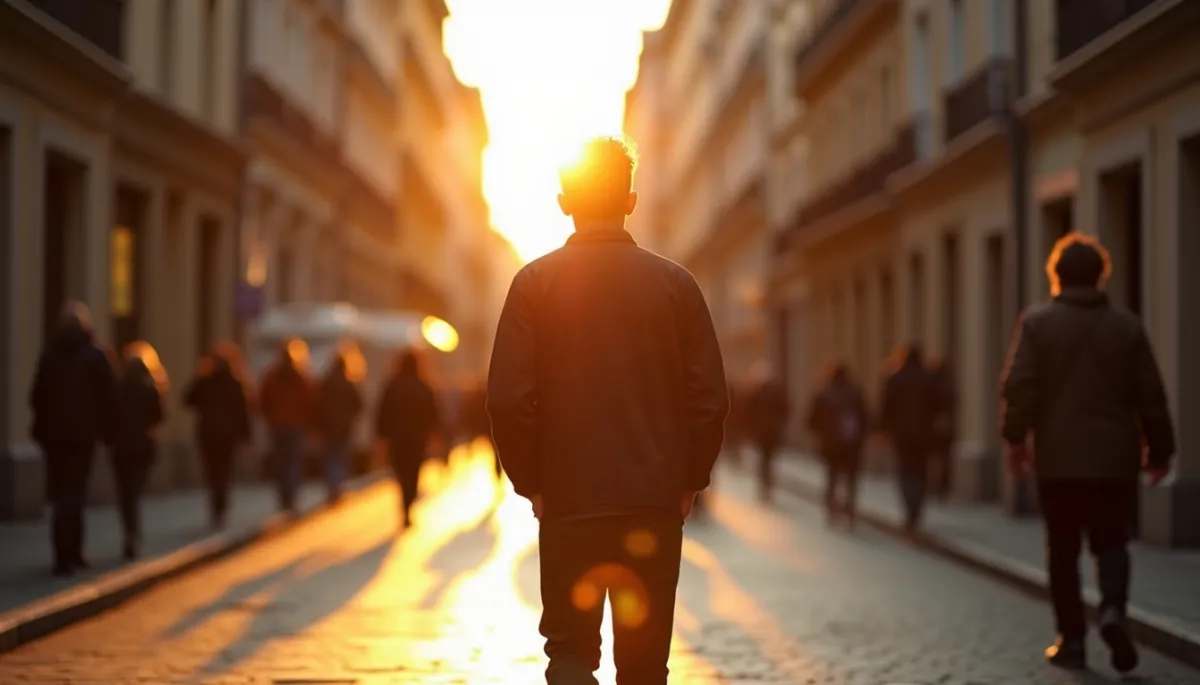
A new power is imposed, calm and costly. Imagine disembarking at dawn at a private airfield, greeted by a chef and a local guide, with the only appointment being a visit to a saddlery workshop.
Luxury slowed down
The consequence is clear: slow luxury transforms speed into rarity. Rather than buying objects in quantity, the richest invest in uninterrupted time, privileged access and long experiences.
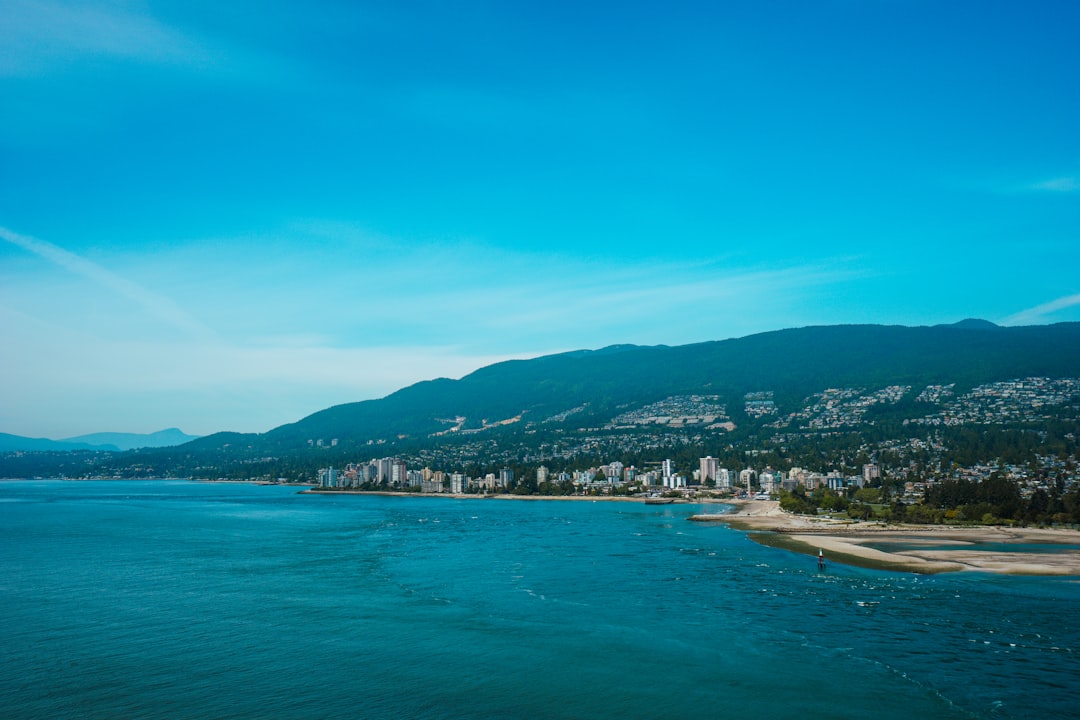
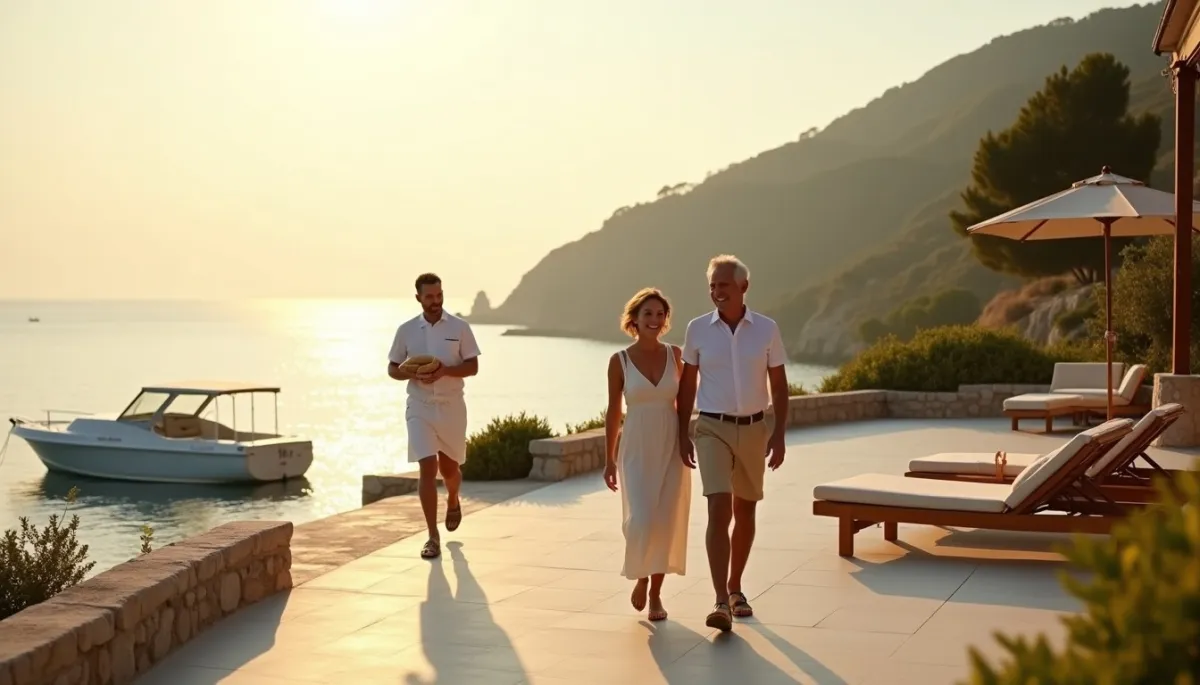
In Mediterranean villas, on private islands or in residences offered by palaces, we reserve weeks rather than nights. We subscribe to seasonal residences with dedicated staff, practitioners and artisans.
The workshops themselves adapt. Haute couture houses spread out fittings over several months, watchmakers offer continuous orders, and restaurants schedule chef residencies that last for weeks.
Why now
Several causes explain this phenomenon. The pandemic has changed priorities: the need to slow down, refocus and prioritize experience over accumulation.
Technology plays a paradoxical role. If it speeds up life, it makes unshared time more precious. Wealthy clients are now hiring time managers: concierges, private planners, and experience orchestrators.
Climatic and social issues also influence. Conspicuous consumption is declining in some circles. Fewer visible objects, more investment in handmade and regenerative travel, this is a new sign of distinction.
Nuances and paradoxes
However, slow luxury carries its contradictions. It can amplify exclusion: buying time remains the privilege of those who have excess resources.
There is also a risk of theatricalization. Some offers disguise slowness: “authentic” staged workshops or pre-prepared artisanal visits, which betray the very spirit of immersion.
But it's not all superficial. The trend supports artistic crafts, finances long training courses and pushes brands to think about repair and duration rather than rapid renewal. For artisans, spread out orders guarantee income and transmission.
Advice and confidences
To test slow luxury, start slowly. Replace an urban weekend with a seven-night residency in the countryside, with a deliberately light program and integrated local practices.
To brands and hosts, the message is clear: monetize time ethically, offer transparent journeys, support local ecosystems and offer real continuity between client and craftsman.
Thanks for reading, and remember, Enjoy life's moments!