Rucking: the special forces fitness secret to burn calories without running
🚀 Key Takeaways
- Key concept : Load-bearing walking that raises heart rate, builds strength and burns calories efficiently.
- Practical tip : Start light, use a comfortable pack, and aim for consistent sessions three times a week.
- Did you know : Militaries use rucking to build endurance, but civilians gain joint-friendly cardio and functional strength.
Rucking is simply walking with a weighted pack. It looks modest, but adding purposeful load changes every stride, engages the posterior chain and boosts calorie burn without the impact of running.
In 2026 rucking has gone mainstream because people want effective, low-injury workouts. Whether you are a busy parent, a runner recovering from injury or someone who hates jogging, rucking offers measurable fitness gains and simple progression.
What is rucking and why it works
At its core, rucking combines aerobic effort with resistance. The extra weight forces your muscles to work harder to stabilize your torso and move you forward, which increases metabolic demand and builds strength over time.
Unlike high-impact cardio, rucking keeps the joints relatively protected. The movement pattern remains walking, familiar and sustainable, but the added load recruits glutes, hamstrings, core and upper back in a functional way.
Why special forces rely on rucking
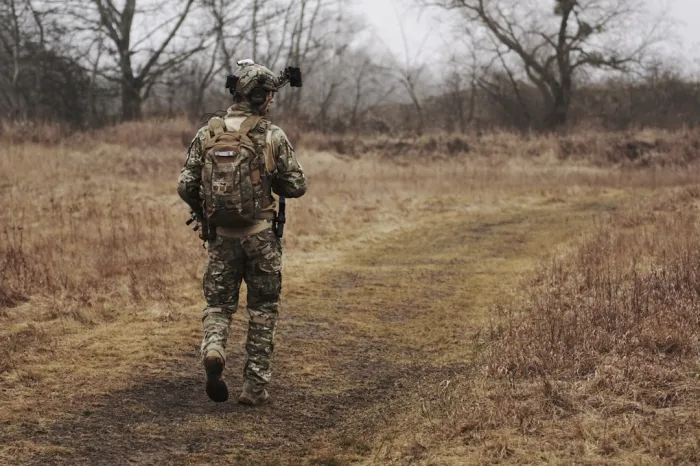
Special forces have long used rucking to develop endurance, load carriage tolerance and mental resilience. It trains soldiers to move efficiently under weight, which is essential in operational contexts.
The military approach emphasizes progression, terrain variation and consistent volume. For civilians, borrowing that methodology means steady improvements in fitness without chasing speed or long runs.
How to start safely
Begin with bodyweight walking until your posture and gait are stable. Then add a light pack, around 5 to 10% of your body weight for your first weeks, and increase slowly according to comfort and form.
Focus on cadence, posture and core engagement. Shorter, more frequent rucks teach your body to tolerate load. Always listen to pain signals, and reduce weight or distance if you feel sharp joint pain.
Sample rucking workouts
Starter session: 30 minutes walking on mixed terrain with 10% bodyweight in your pack. Keep a brisk but conversational pace. Aim for two to three sessions weekly for four weeks.
Progression plan: add 10 minutes each week or increase pack weight by 2 to 5% once you can complete three sessions comfortably. Incorporate hill repeats and interval-paced segments to raise intensity without running.
Gear and safety
Invest in a sturdy backpack with padded straps and a hip belt to distribute load. Use flat-soled shoes or light hiking boots depending on terrain, and avoid shifting loads that pull you off balance.
Pay attention to load placement. Keep weight close to your center of mass, and use softer items against your back for comfort. Hydration and blister prevention are small details that make big differences on longer rucks.
Nutrition and recovery
Rucking burns calories and breaks down muscle fibers like any resistance activity. Prioritize protein, balanced carbs and hydration after longer sessions to support recovery and adaptative gains.
Allow rest days and use mobility work to address tight hips and lower back. Sleep quality accelerates adaptation, so treat rest as part of the program, not optional downtime.
Integrating rucking into everyday life
Rucking is highly adaptable. Use it as active commuting, weekend adventure or a deliberate training session. It pairs well with strength work and mobility routines for a complete program.
Most importantly, rucking is sustainable. It gives clear progression, measurable results and a sense of purpose. For many, that combination beats monotonous cardio and keeps motivation high.
Thanks for reading, and don't forget, Enjoy Life Moments!