Travel differently: give meaning to your travels
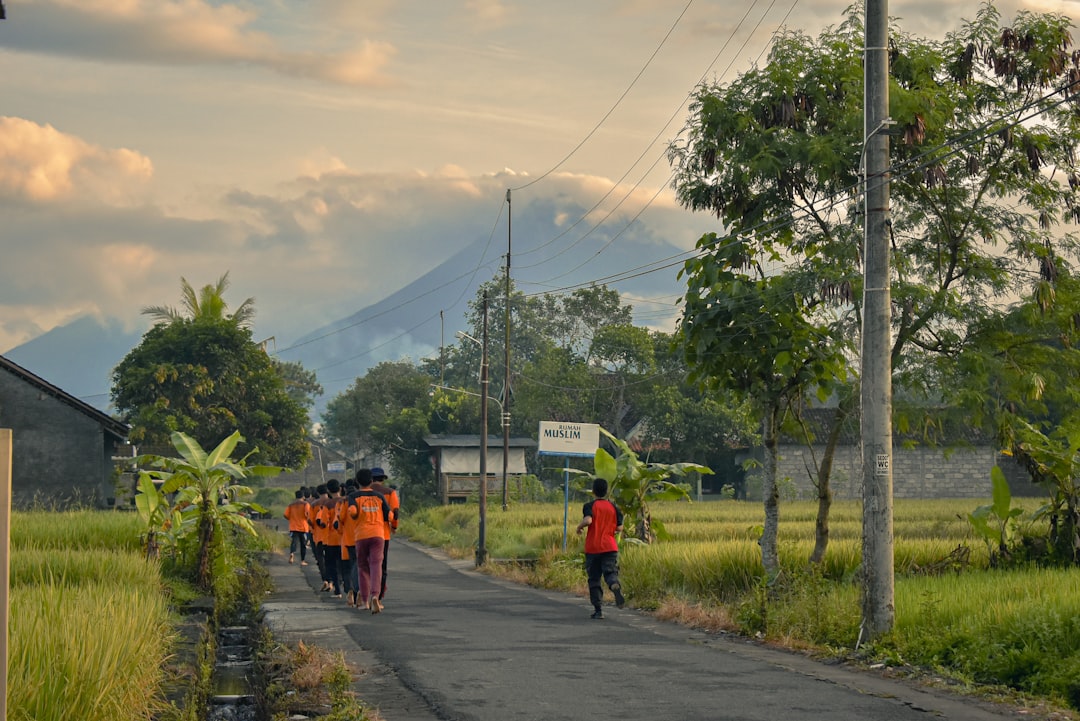
Post-2025 tourism is evolving: between climate awareness, the renaissance of the train and the desire for authenticity, travelers want more than photos — they seek impact. This article offers concrete benchmarks for preparing, experiencing and extending meaningful trips in 2026.
Whether you go for a weekend or several weeks, these trails will help you combine pleasure, meetings and responsibility. Here's how to transform your trips into useful, local and sustainable moments.
Why travel differently?
Travel is no longer just a consumption of images: it becomes a lifestyle choice. Giving meaning means reducing negative externalities (carbon footprint, mass tourism) and increasing the positive impacts for the areas visited (local employment, cultural preservation).
The concept of sustainable tourism, explained for years by experts, today takes on a practical and accessible dimension. To deepen the theoretical bases, see the dedicated page on Wikipedia - Sustainable tourism, which brings together definitions and essential issues.
Before leaving: choose a goal
Define what “giving meaning” means to you: supporting a local NGO, learning a language, cultural immersion, participating in a community project, or simply responsible consumption. A clear objective guides all decisions (transport, duration, partners).
Plan using practical criteria: optimal duration for impact, budget redistributed locally (accommodation, independent guides, markets) and indicators of success (number of volunteer hours, local purchases, learning). The digital tools of 2026 — carbon footprint comparators and local engagement apps — make this preparation easier.
On site: practices for real impact
Prioritize community initiatives and accommodation run by locals: they generate direct income for the population and offer authentic immersion. Ask about local labels and ask how profits are distributed.
Be wary of “turnkey” voluntourism. Commitment must respond to a need identified by the community, not just the desire to be useful. Favor transparent and verifiable projects, and ask for concrete feedback on the expected contribution.
Transport and accommodation: choosing the lesser evil
In 2026, the diversity of options makes it possible to significantly reduce the carbon footprint: night trains, long-distance carpooling, modernized long-distance buses and, when relevant, direct flights better evaluated using emissions calculators. Slow travel (taking your time) remains the most effective solution for combining sense and frugality.
For accommodation, favor impactful structures: small lodges, independent inns, host cooperatives, certified ecological accommodation or rural tourism projects. These choices support the local economy and reinforce the quality of the experience.
Meetings and gastronomy: learning by sharing
Giving meaning often comes through the table and conversation. Choosing meals at local homes, participating in local culinary workshops or purchasing at markets promotes cultural transmission and the redistribution of income. Gastronomy becomes a vector of exchange and mutual respect.
Practice active listening: ask for the history of a dish, the seasonality of products, the know-how passed down from generation to generation. These authentic moments create more lasting memories than standard sightseeing.
Technologies and trends for 2026 for sensible travel
Ethical itinerary apps, micro-volunteering platforms and footprint calculators are more sophisticated in 2026. Use them to select responsible providers and measure the real impact of your stay.
Local content (blogs and reports) remains an essential source of inspiration: consult recognized media like National Geographic Travel to find ideas for committed and respectful travel.
After return: transforming the experience into lasting commitment
The meaningful journey continues once home. Share what you have learned, support local projects remotely or extend your commitment through concrete actions (micro-donations, advocacy, online support).
Document your practices: notes, responsible photos, feedback on the results of the supported project. These elements serve as a guide for your next trips and inspire those around you to travel differently.
Practical checklist before leaving
1) Define a clear objective (learning, support, exchange). 2) Choose verifiable local partners. 3) Take your time (fewer destinations, more immersion). 4) Prioritize low-carbon transport when possible.
5) Budget for local impact (accommodation, catering, activities). 6) Provide simple indicators (hours, euros, shared skills). 7) Share and rate after feedback to improve next time.
Thanks for reading, and don't forget, Enjoy Life Moments!