Road trip 2026: from the roar of Azteca to Sian Ka'an's quiet beaches
🚀 Key Takeaways
- Concept key : Combine a 2026 World Cup stopover in Mexico City with a nature escape to Sian Ka'an.
- Practical tip : Fly Mexico City to Cancún, then rent a car in Cancún or Tulum; expect rough roads to Punta Allen, bring cash and a spare tire.
- Did you know : Sian Ka'an is a UNESCO biosphere since 1987, covering about 528,000 hectares.
Feel the vibration under your feet. Imagine tens of thousands chanting at Estadio Azteca, flags waving, the concrete bowl glowing under floodlights.
From the city beat
Estadio Azteca, inaugurated in 1966, has hosted two World Cup finals, in 1970 and 1986, and it will be one of Mexico's host stadiums in 2026. The stadium is not just bricks and seats, it is ritual. On match days, the southern neighborhoods of Mexico City swell with vendors selling tacos al pastor and scarves, and fans arrive in painted cars or by commuter trains.
For a traveler planning the 2026 road-trip, start by catching a match or visiting the stadium museum to feel the legacy of Pelé, Maradona, and eras of Mexican football. Book tickets early; big matches sell out months ahead. Expect heavy traffic, leave at least three hours before kickoff if you use surface roads, and use authorized taxi or ride-hailing services for late returns.
Mexico City to the Riviera Maya is a long transition, roughly 1,500 to 1,700 kilometers by road. Many travelers in 2026 prefer a split approach: watch the Azteca energy, then fly to Cancún or Chetumal and continue the journey by car to explore the Yucatán coast at leisure.
Roads and tides
The practical route from Mexico City to Sian Ka'an can take two forms. One, a pure overland adventure along highway 150 and 180, passing Veracruz, Villahermosa and Palenque, then continuing across Campeche and Yucatán, a journey that can take several days and invites overnight stops in colonial Puebla, the cacao towns near Tabasco, and the archaeological pause at Palenque.
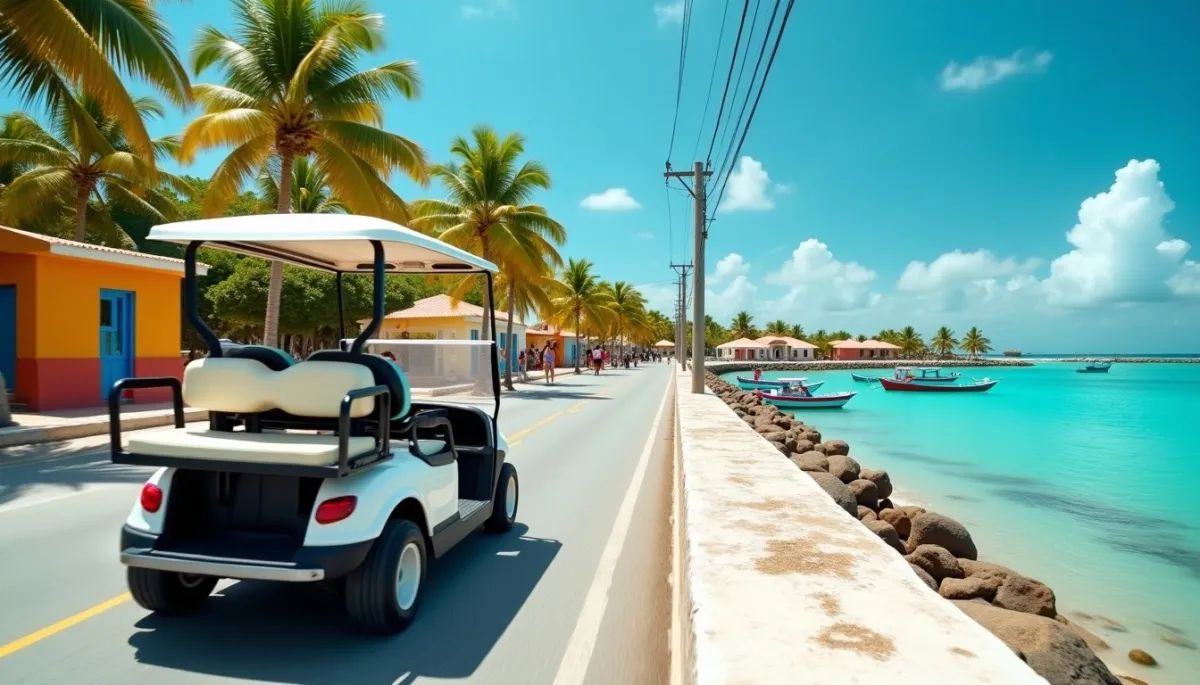
Two, the faster option is to fly Mexico City to Cancún (average flight time 2.5 hours), rent a car and drive roughly 2 to 3 hours south to Tulum. From Tulum, Sian Ka'an begins about 20 to 40 kilometers further, depending on your chosen beach or the small fishing village of Punta Allen, which sits at the heart of the reserve.
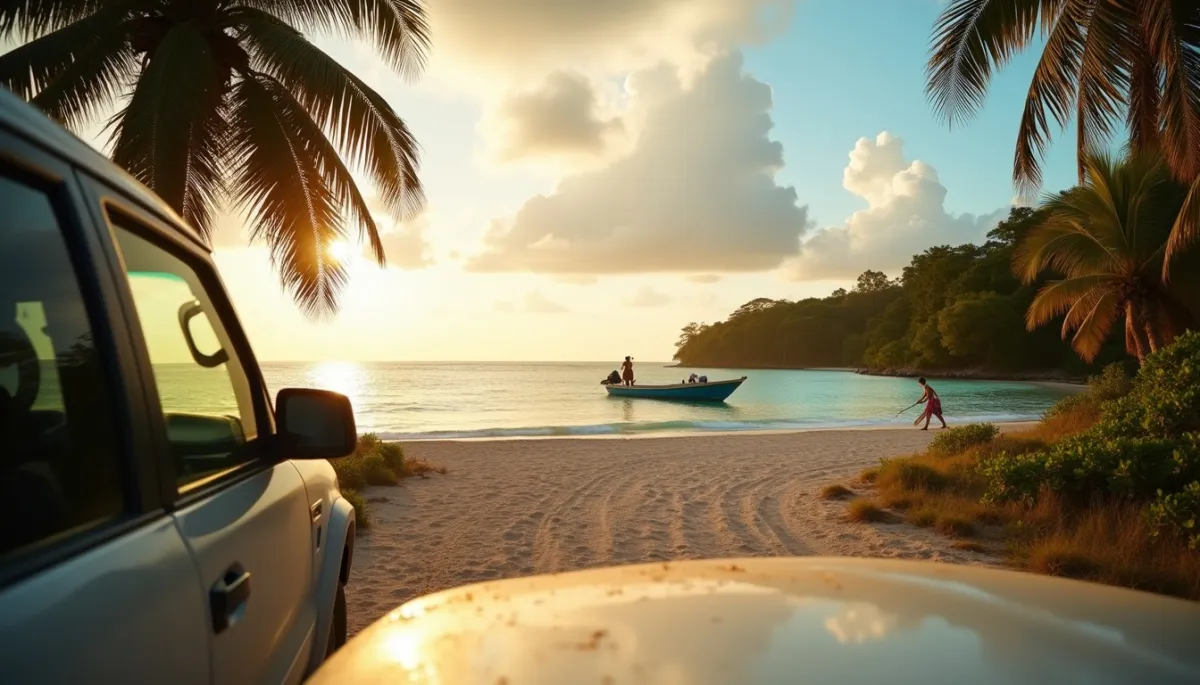
Expect varied pavement. The paved federal highways are generally good, but the road into Sian Ka'an, especially toward Punta Allen, is a long dirt track, often rutted after rains. A 4x4 is recommended, and carrying extra fuel, water, cash, and a good spare tire is essential. Mobile coverage is patchy once you leave Tulum.
Wild and protected
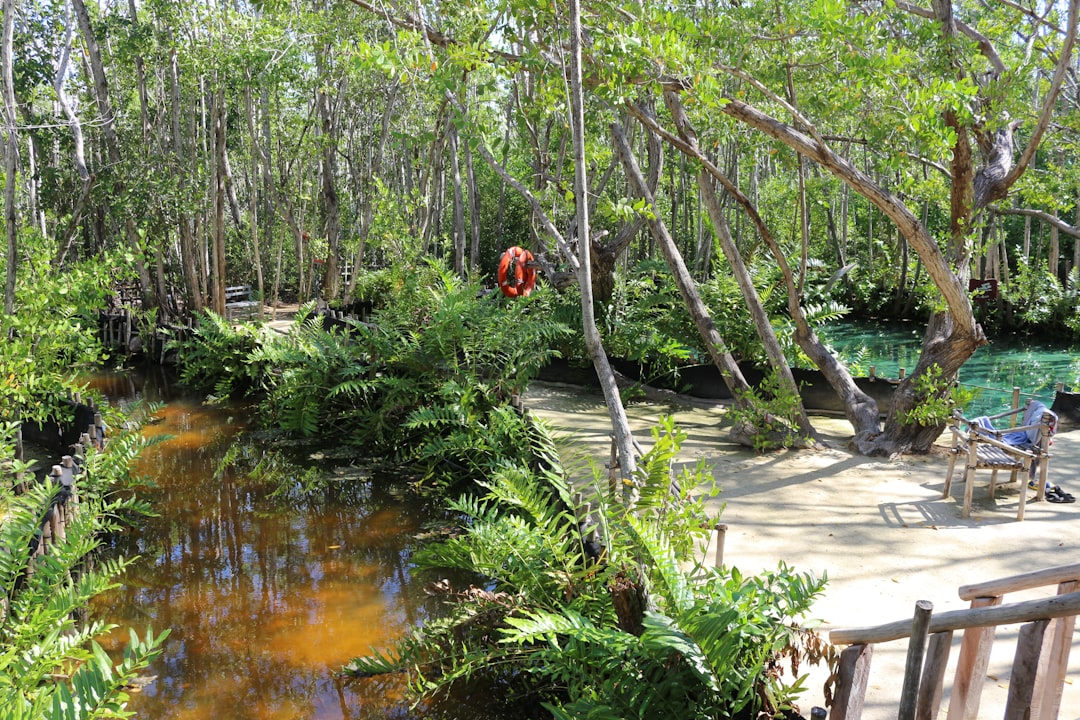
Sian Ka'an, declared a UNESCO biosphere reserve in 1987, spans roughly 528,000 hectares, a mosaic of mangroves, marshes, tropical forest and coral reef. It is part of the larger Mesoamerican Barrier Reef system, which is the second-largest coral reef on Earth. The reserve shelters over 300 species of birds, dolphins, sea turtles, and manatees.
Local guides in Punta Allen or Tulum run boat excursions into the lagoons and to the reef. These tours are the safest and most sustainable way to see the reserve. Expect to pay in cash for small operations, and choose operators who contribute to community conservation. Snorkeling gear, reef-safe sunscreen, and an early start for wildlife sightings will improve your experience.
Respect regulations. Certain zones are strictly protected, and access to parts of the reef is seasonal to protect nesting turtles and spawning fish. If you plan a multi-day visit, reserve accommodation early. Punta Allen has a handful of eco-lodges and simple fisheries-run rooms; Tulum offers more luxury options but is 45 to 60 minutes away.
Why this trip matters
The 2026 World Cup acts as a cultural gateway. Fans who land in Mexico City for matches at Azteca increasingly want to extend their stays, trading stadium nights for seaside dawns. This trend blends sports tourism with ecological tourism, and it can bring real economic benefits to small communities when managed responsibly.
However, increased attention creates contradictions. Greater visitor flows can stress fragile ecosystems. Sian Ka'an faces pressures from unregulated development along the Riviera Maya and from the cumulative impacts of mass tourism. Conservation groups and local communities are ramping up initiatives to balance income and protection.
As a traveler, you can tip the balance positively. Choose certified guides, limit single-use plastics, respect local rules, and consider donating to conservation projects that support mangrove restoration or sea turtle patrols. Small choices make a difference.
Finally, rhythm matters. Arrive to Azteca for the electric human spectacle, then slow down into the long horizon of Sian Ka'an. The contrast is the point. In 2026, let Mexico show you how a country can be both celebratory and contemplative.
Thanks for reading, and don't forget, Enjoy Life Moments!