Do Mayan pyramids still hide secrets?
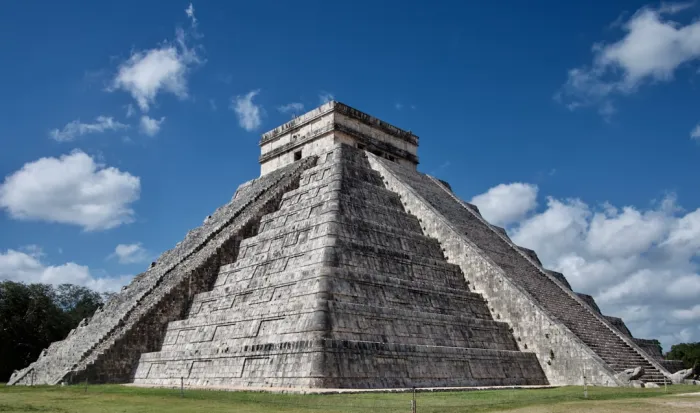
The Riviera Maya and the broader Maya lowlands remain a rich field for archaeology even in 2026. Advances in surveying and underwater exploration have changed how researchers look for hidden structures, burial sites and ritual spaces linked to the great pyramids.
Tourists and scholars alike are asking the same question: are there chambers, passages or landscapes still concealed from view? This article summarizes what science has found recently, what remains uncertain, and how you can responsibly experience these ancient places.
What modern surveys have revealed
Since large-scale LiDAR campaigns started reshaping Mesoamerican archaeology in 2018, researchers have documented thousands of previously unknown features—terraces, causeways, and minor mounds—buried in the jungle canopy. These results show that Maya cities were far more extensive and interconnected than earlier maps suggested.
Alongside LiDAR, non-invasive tools such as ground-penetrating radar and aerial photogrammetry help archaeologists detect subsurface anomalies that may indicate chambers or construction phases. For background on the Maya world and its scope, see the overview on Wikipedia.
Hidden chambers and monumental mysteries
Reports of voids, structural irregularities and oddly placed fill layers in some pyramids have fueled speculation about secret rooms or preserved deposits. In many cases, cautious teams combine remote detection with targeted excavation to confirm whether an anomaly is cultural or geological.
Not every void contains treasure or royal tombs; some are maintenance spaces or later alterations. Still, the possibility of intact ritual deposits or human remains motivates careful, multidisciplinary work and strict heritage protocols.
Underwater archaeology and cenote finds
The Yucatán's karst landscape means water and caves play a central role in Maya rituals and preservation. Submerged cave systems, or cenotes, often contain organic materials and offerings that do not survive in open-air contexts, offering unique windows into ritual practice and chronology.
Diving teams continue to map connected underwater passages and recover artifacts under strict scientific oversight. These discoveries complement terrestrial surveys, revealing routes and resources that shaped where and how pyramids were built.
How technology is changing the hunt for secrets
In the last decade, the combination of LiDAR, sonar mapping of cenotes, photogrammetry and improved dating techniques has created a more complete, three-dimensional picture of ancient Maya landscapes. Open data and collaborative platforms accelerate analysis but also increase the need for local stewardship.
National and international teams are learning to balance rapid discovery with conservation. For mainstream coverage on how remote sensing changed archaeology, consult features on National Geographic, which regularly reports on field advances and responsible tourism in Mexico.
What visitors should know and do
As a traveler, you can still feel the thrill of mystery without contributing to damage: choose certified guides, avoid off-trail exploration, and support local museums and conservation projects. Many sites now offer interpreted trails or exhibits that share the latest findings without disturbing contexts.
Responsible tourism helps ensure that new discoveries are studied properly and remain part of living communities' heritage. Remember that many secrets belong to local people and to science working with local authorities, not to souvenir hunters.
Thanks for reading, and don't forget, Enjoy Life Moments!