Lifestyle and society: what really changes

In 2026, transformations will affect our ways of working as much as our relationships, our travel and our pleasures. This summary overview highlights lasting disruptions and provides concrete ideas for adapting today.
Rather than inventorying fleeting fads, this article identifies deep-rooted trends — and suggests simple actions to adopt to improve your quality of life, preserve your purchasing power and strengthen your social ties.
Work and economy: hybrid becomes the productive norm
Teleworking is no longer an experiment, but a structuring modality that forces companies and employees to rethink professional time and space. Organizations are offering flexible hybrid models, with weeks split between office and home to optimize creativity and focus.
To go further, find out about the frameworks and best practices for remote work: meeting management, right to disconnect, and ergonomic workstation layout are 2026 priorities. On the financial side, the rise of flexible contracts is changing social protections: find out and diversify your income.
Consumption and ecology: thoughtful purchasing, circular economy
Climate awareness is resulting in a massive shift to sustainable consumption. Transparent brands, second hand and repair are required. Consumers seek traceability and favor quality over quantity.
Adopting simple actions — favoring second-hand goods, asking for local guarantees, comparing the carbon footprint — allows you to save and take action. To follow the news and investigations on these subjects, the major national media now publish regular reports, useful for being informed and choosing intelligently (Le Monde is a good starting point).
Health, gourmet pleasure and well-being: balance and experimentation
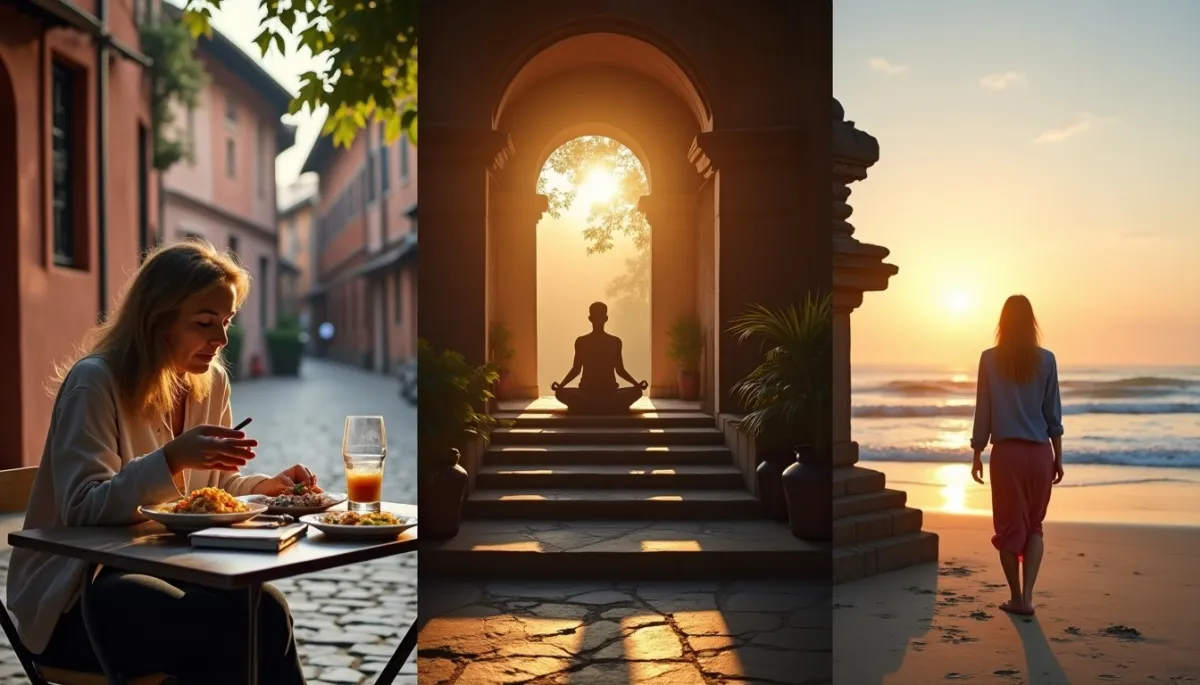
The quest for a healthier life does not renounce pleasure: the gourmet scene is moving towards convivial, local and gourmet plant-based foods. Daily micro-rituals (movement, regular sleep, conscious eating) become pillars of longevity and joy of living.
Concretely, simplify your meals, invest in some quality kitchen tools and try local dishes during your travels: it's good for your health, for the local economy and for your daily happiness.
Relationships and intimacy: authenticity and clear boundaries
Human relationships are rebalanced around a search for authenticity. Social networks remain useful, but deep experiences and face-to-face meetings are regaining value. Discussions about consent, mental health and parenting are more open and better researched.
To preserve relationships, establish rituals (weekly meals, screen-free discussions), define digital boundaries and practice active listening. These gestures strengthen trust and relationship satisfaction.
City, mobility and habitat: pragmatism and proximity
The climate crisis and the cost of living are pushing us to rethink the city: intelligent densification, local services and soft mobility are at the heart of local policies. Cycling, walking and shared transport are becoming more comfortable and safer.
On the housing side, optimizing small spaces and local coworking are effective responses. Investing in the energy quality of your home is becoming an economic and ecological priority, with public aid often available.
Digital, AI and minimalism: use more than possession
Artificial intelligence and automation are changing the way we consume information and entertain. But the counterintuitive trend is towards minimal digital: choosing your tools, limiting notifications and favoring offline moments to preserve attention and creativity.
Recommended practice: define screen-free time, use tools that respect your privacy, and maintain a creative routine (reading, sports, cooking) to counterbalance hyperconnection.
Leisure, travel and sport: local experience and quality time
Travel now favors authentic, low-impact experiences: shorter stays, nearby destinations, responsible accommodation. Sport is integrated into everyday life, with micro-sessions and accessible disciplines (brisk walking, home fitness, urban sports).
To plan a successful weekend, encourage a strong local activity (guided hike, culinary workshop) and limit excessively long transportation. This remains one of the best ways to disconnect while supporting the territories.
These changes are shaping a more sustainable, more humane and more pragmatic 2026 lifestyle. They offer concrete opportunities: improve your living environment, cultivate your relationships and make informed consumer choices.
Thanks for reading, and don't forget, Enjoy Life Moments!