Walking in Rousseau's footsteps: how romanticism was born on the shores of Clarens

🚀 Key Takeaways
- Core concept : Rousseau's 1761 novel 'Julie, or the New Heloise' made the Lake Geneva shore a symbol of Romantic feeling.
- Practical tip : Reach Clarens by train to Montreux, then follow the lakeside promenade; best light at golden hour.
- Did you know : 19th-century travelers, including English Romantics, turned Clarens and nearby Chillon into cultural destinations.
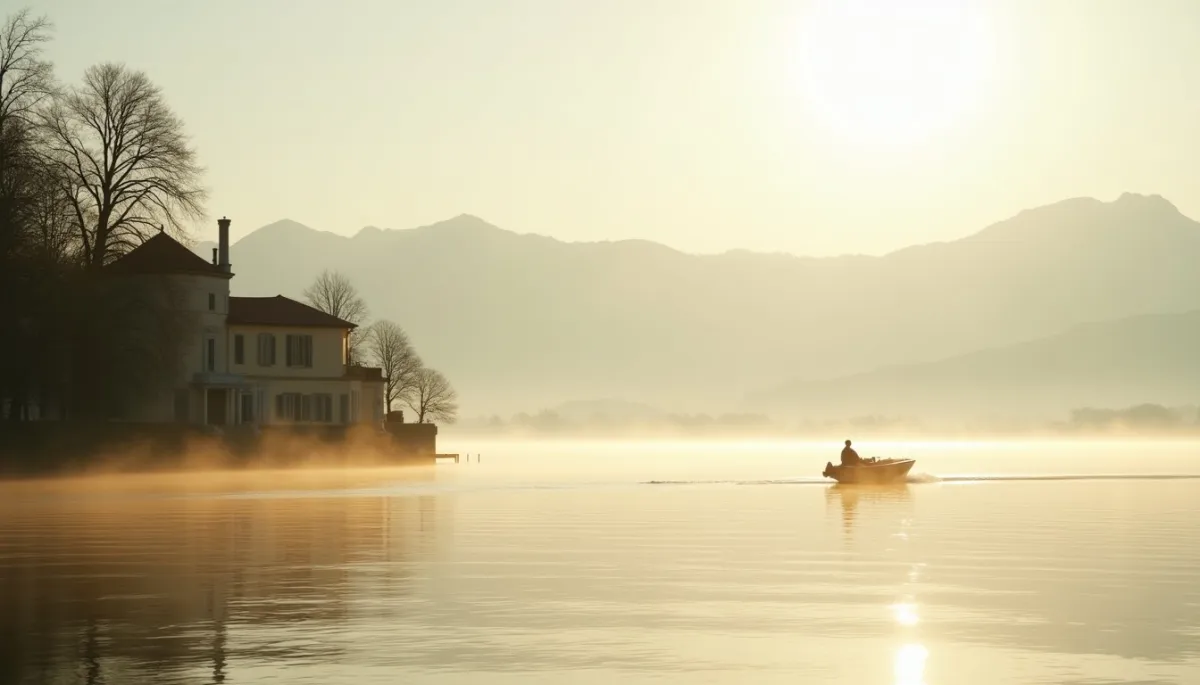
Close your eyes and imagine the ripple of light on Lake Geneva, a bench, and a book left open.
Walk from Montreux station along the promenade, pass plane trees and villas, and the village of Clarens appears like a painted scene. Low stone houses, the polished mirror of the lake, the silhouettes of the Alps in the distance, and the soft echo of voices in French or English—this is the landscape that readers of the 18th century associated with sentiment and inner life.
Le souffle romanesque
In 1761, Jean-Jacques Rousseau published 'Julie, or the New Heloise', a novel that sold in unprecedented numbers and struck a chord across Europe. The book does not merely tell a love story, it consecrates the Swiss lake and its villages as stages for deep emotion.
Readers reacted with passion. Letters and testimonials from the late 18th and early 19th centuries record pilgrimages to the shore, inspired readings under chestnut trees, and local guides who pointed out 'the very spot' where a character walked. The novel created a template: the idea that landscape reflects feeling.
That template helped shape what we now call Romanticism (a movement emphasizing emotion, nature and the self). Clarens became one of the first small-scale sites of literary tourism, a place where text and terrain met and fed a new aesthetic.
Le décor qui parle
Clarens sits a few minutes east of Montreux, on the Riviera Suisse, with the Château de Chillon only a short ride away. The solidity of the castle, the sweep of the lake, and the line of Alps form a dramatic backdrop that 18th- and 19th-century visitors found irresistible.
In 1816, after the surge of interest in alpine and lakeside scenery, English poets and travelers wrote evocatively about the region. Lord Byron’s fascination with Chillon for instance kept attention on the whole shore. That layer of foreign admiration helped cement Clarens' reputation as a romantic spot.
Over time, small features acquired meaning: a bench by the water, a narrow street, a belvedere. Local guides began to tell stories connecting those places to passages of Rousseau's text. The landscape turned into a reading map, where footsteps could be matched to lines of prose.
Marcher et comprendre
Start at Montreux station. A pleasant lakeside walk of roughly 20 minutes leads to the heart of Clarens, or take the local train with one stop. The promenade is flat and accessible, but bring comfortable shoes to explore the village's cobbled turns.
For context, read an excerpt of 'Julie' (1761) before your visit. Notice how Rousseau links sentiment and nature, and then watch how the lake answers those words. Early morning or late afternoon light enhances the emotional charge that inspired generations of visitors.
Local museums in Montreux and interpretation panels near Chillon offer historical notes on 18th- and 19th-century tourism. Ask at the tourist office for a short walking leaflet titled 'Rousseau à Clarens' or similar, often available in multiple languages.
Thanks for reading, and don't forget, Enjoy Life Moments!