Oceanographic Museum of Monaco: grand architecture and ocean protection
🚀 Key Takeaways
- Core concept : A historic museum that combines monumental architecture with contemporary marine science and outreach.
- Practical tip : Visit early morning, climb to the terrace for the sunset view, and check aquarium feeding times.
- Did you know : Founded by Prince Albert I and inaugurated in 1910, the museum remains a hub for conferences and ocean literacy in the Mediterranean.
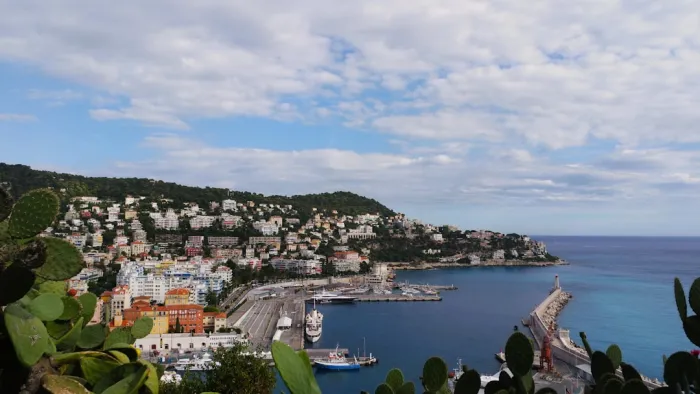
Step onto the terrace and the Mediterranean seems endless.
The museum sits like a ship anchored to the cliff, its façade catching the morning light, gulls circling above and the scent of salt in the air. Visitors line up beneath ornate stonework, and behind thick walls old logbooks and modern microscopes coexist. You hear the murmur of school groups, and sometimes the distant hum of a scientific meeting in progress.
rock and memory
The Oceanographic Museum was created under the impulse of Prince Albert I of Monaco, a pioneer of modern oceanography. Inaugurated in 1910, the building was imagined as both a cabinet of wonders and a site for research. Its cliff-side position on Monaco-Ville offers not only a breathtaking panorama but also symbolic proximity to the sea it studies.
Architecturally, the museum embodies Beaux-Arts grandeur adapted to a dramatic site. Marble staircases, carved balustrades and a sequence of exhibition rooms lead the visitor from historical collections to aquariums that pulse with living color. The contrast between stone solidity and watery life is intentional: a reminder that human culture and marine ecosystems are linked.
Inside, the collections tell a story of exploration. Early 20th century expeditions brought back specimens and charts, while later decades added photographic archives and sound recordings. These historical layers are still used by researchers to trace long-term changes in Mediterranean biodiversity.
science in service
The museum is not simply a showcase. It has long been connected to active scientific work, from taxonomy to ocean monitoring. The Oceanographic Institute and associated laboratories have hosted scientists collecting data on temperature shifts, species distribution and pollution—key metrics to understand climate impacts on the Mediterranean basin.
Modern initiatives emphasize conservation and outreach. Programs for schools, public lectures, citizen science projects and temporary exhibitions translate complex research into accessible knowledge. «Ocean literacy» is a term often used here, meaning the basic understanding of how the ocean influences us and how we influence the ocean. Teaching this concept helps translate awareness into action.
Monaco also uses the museum as a platform for international dialogue. Meetings such as sectoral conferences and symposiums bring together researchers, policy makers and NGOs to discuss marine protected areas, sustainable fisheries and blue economy strategies in the Mediterranean and beyond.
between ambition and reality
Despite its influence, the museum faces the same tensions as many heritage institutions. Preserving historical architecture while updating facilities for 21st century science requires substantial investment. Renovation projects must balance respect for original features with needs for new laboratories, improved life-support systems for aquaria and energy efficiency.
Another challenge is communicating urgency without creating despair. Exhibits about climate change or plastic pollution need to combine clear data, such as long-term sea surface temperature trends, with concrete actions visitors can take. The museum aims to be a place of inspiration, not only of alarm.
Looking ahead, the Museum's role will likely grow as coastal cities confront the effects of warming seas and biodiversity loss. Its unique combination of monumentality and scientific rigor makes it a powerful ambassador for ocean protection, able to host diplomatic conversations, educate young citizens and support research that informs policy.
Practical visit tips: reserve tickets online, allow 90 minutes to explore galleries and aquariums, and stay for the terrace at sunset. For curious minds, ask about special guided sessions on Mediterranean species or archive tours that reveal century-old expedition logs.
Thanks for reading, and don't forget, Enjoy Life Moments!