The neuroscience of the penalty: how the brain manages the ultimate moment of pressure
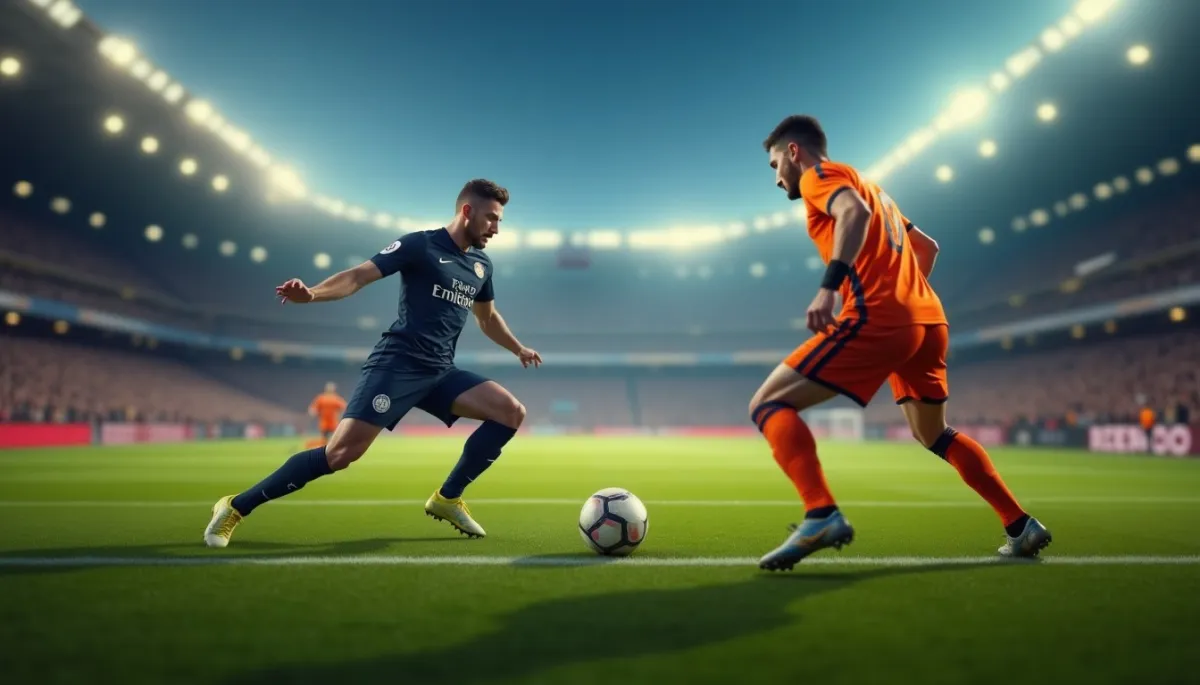
🚀 Key Takeaways
- Core concept : The brain balances arousal (amygdala) and cognitive control (prefrontal cortex) to convert intention into movement.
- Practical tip : Build a short, repeatable pre-shot routine and use deep exhalations to down-regulate stress.
- Did you know : Penalties succeed roughly 75% of the time, but rates drop in high-pressure shootouts.
It feels like a lifetime in three seconds. Imagine a stadium held in a mute, charged breath: cameras zoom in, coaches clasp hands, teammates avert their eyes.
Minute of truth
On the turf, the player stands over the ball. The goalkeeper prowls like an animal ready to pounce. The crowd's noise becomes a physical pressure in the chest.
Historically, penalties are converted around 75% of the time (club and international statistics aggregated across decades), yet iconic misses—Roberto Baggio in the 1994 World Cup final, or the rollercoaster of Argentina–France at the 2022 World Cup final—show how context reshapes outcomes.
These moments are not only sport; they are concentrated laboratory conditions for studying stress, decision making, and motor control under extreme social evaluation.
Cerveau en jeu
The brain reacts first and fastest. The amygdala detects threat and spikes arousal, releasing adrenaline. This readies muscles but narrows attention.
Higher cortical areas, notably the prefrontal cortex, handle planning, target selection, and inhibiting impulsive moves. Under pressure, their function can be compromised, producing the classic 'choking' phenomenon documented in psychological research since the early 2000s.
Motor circuits (basal ganglia, cerebellum) translate decisions into the fine-tuned sequences of hip rotation, plant foot, and strike. When stress is optimal, this pipeline runs smoothly; when stress overloads cognition, timing falters and performance drops.
Rituel du regard
One consistent finding in sports science is the 'quiet eye' effect, studied since the 1990s. The best kickers fixate their target longer just before action, and that gaze stability predicts success.
Quiet eye length correlates with reduced distraction and a steadier motor plan. Joan Vickers and later teams measured longer quiet eye durations in elite performers across sports.
In a penalty, gaze anchors the mind. Training that extends a calm visual focus can partially shield motor execution from the stress cascade.
Pourquoi ça casse
Why do some players collapse while others thrive? Experience matters, but not only as minutes played. Exposure to pressure, mental habits, and the ability to reframe threat into challenge change the neural response.
Classic research by Yerkes and Dodson (1908) described the inverted-U relationship between arousal and performance: too little drive produces underperformance, too much produces breakdowns. The sweet spot shifts with task complexity and individual traits.
Research by sports psychologists (including field studies in football) shows that shootout experience, simulation training, and cognitive strategies reduce the maladaptive amygdala response and preserve prefrontal control.
Stratégies d'armure
Practical methods work because they target brain mechanisms. Short breathing routines reduce sympathetic activity. A 4–4 breathing (inhale-exhale counts) lengthens exhalation and calms the heart rate.
Implementation intentions (simple if-then plans) automate responses: if the keeper moves early, then I commit to my planned spot. These reduce decision load at the moment of action.
Simulated pressure training—penalties with audience noise, unexpected delays, or reward contingencies—creates 'stress inoculation' and helps the brain learn to perform when stakes rise.
Paradoxes à venir
Technology now allows tracking heart rate variability, eye-tracking, and neural markers in training. Clubs like FC Barcelona and national teams use these data to personalize routines.
Yet there are contradictions: excessive data can create new anxieties. Over-mechanizing a ritual removes its human, narrative power—the little stories players tell themselves to stay calm.
The future will blend hard neuroscience with humble habit: a short breath, a fixed look, a practiced step. The world's loudest moments will still be decided by tiny, trainable acts of the brain and body.
Thanks for reading, and don't forget, Enjoy Life Moments!