Adrian Zecha: the hotelier who invented minimalist, spiritual luxury with Aman
🚀 Key Takeaways
- Core concept : Luxury as absence of clutter and presence of meaning.
- Practical tip : Choose pavilions or villas facing water at Aman properties for the calmest experience.
- Did you know : "Aman" means peace in Sanskrit and served as the name and the ethos of the brand.
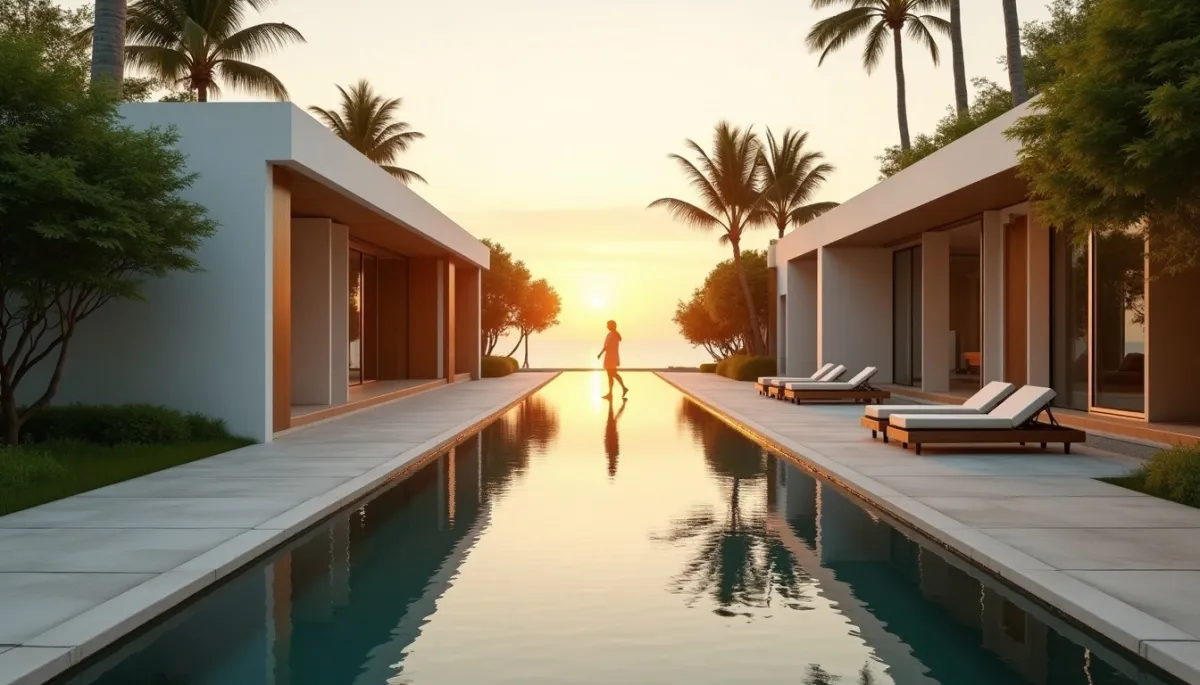
Imagine arriving at dusk, a long reflecting pool mirrors the sky, and the only sound is a distant temple bell. You feel immediately lighter.
Quiet revolution
Adrian Zecha, Indonesian-born hotelier, is the name behind Aman Resorts, a group that since 1988 quietly rewrote the rules of luxury hospitality. The first property, Amanpuri in Phuket, opened that year and became a model for what followed. Rather than compete on size or spectacle, Zecha offered scale, silence and intimacy.
His properties are often small, with few rooms, set in culturally resonant sites. Architects such as Ed Tuttle collaborated early on to translate local vernaculars into contemporary, spare architecture. The result felt less like a hotel and more like a private retreat, with design that emphasizes light, materiality and proportion.
Critics and travellers quickly recognized the novelty. Aman became a magnet for those seeking privacy and contemplation, from film directors to royalty. The brand also influenced a generation of boutique hoteliers who adopted low-key luxury and cultural sensitivity as commercial virtues.
Origins and craft
The story began with a simple question: how to make a place that restores rather than dazzles. Zecha pursued this through careful site selection, restrained interiors, and service that privileges unobtrusiveness. The name Aman, meaning peace, summed up the project.
From the start, design mattered more than opulence. Public spaces are generous and sparsely furnished, circulation is calm, and suites open onto nature. This aesthetic translates into emotional economy, where absence of clutter becomes presence of attention. The guiding idea is that every object and view must earn its place.
Zecha also insisted on cultural fidelity. Whether in Thailand, India or Japan, Aman projects often reuse local forms and crafts, from roofs to courtyards, engaging local artisans. This approach turned each property into an interpretation of place, not a generic playground for the wealthy.
Contrasts and continuations
Yet the Aman formula generated tensions. Small size and extreme privacy produce exclusivity, and with success came soaring prices. Some critics argue that spiritual minimalism can become a curated tableau sold at a premium. Zecha and his followers responded by insisting on the experiential value: that guests pay for time, silence and genuine connection to a location.
Over the decades, Aman evolved. New managers, capital changes, and larger projects tested the original rules. But core principles persisted: low-density layouts, ritualized daily rhythms such as sunrise yoga or tea ceremonies, and a minimalist palette. Even when Aman accepted bigger developments, the brand tried to preserve the feeling of being in a small sanctuary.
For travellers who wish to experience this legacy, practical advice helps. Choose properties with villas or pavilions, schedule spa treatments at sunrise, and request a room with a private outdoor space. Respect local customs, arrive with a slow pace, and allow silence to be part of the itinerary. That is where the Aman idea reveals its power: luxury that makes room for the self.
Thanks for reading, and don't forget, Enjoy Life Moments!