Monaco Historic Grand Prix: nostalgia of classic engines in the Principality
🚀 Key Takeaways
- Key concept : A biennial celebration of historic racing cars on the 3.337 km Monaco street circuit.
- Practical tip : Book grandstand seats or harbor-side spots early; Sainte-Dévote and the hairpin (Rascasse) are classic viewpoints.
- Did you know : The event is organised by the Automobile Club de Monaco (ACM) and began in 1997.
The exhaust note hits you first. Close your eyes and the sound becomes a time machine, crisper than any recording.
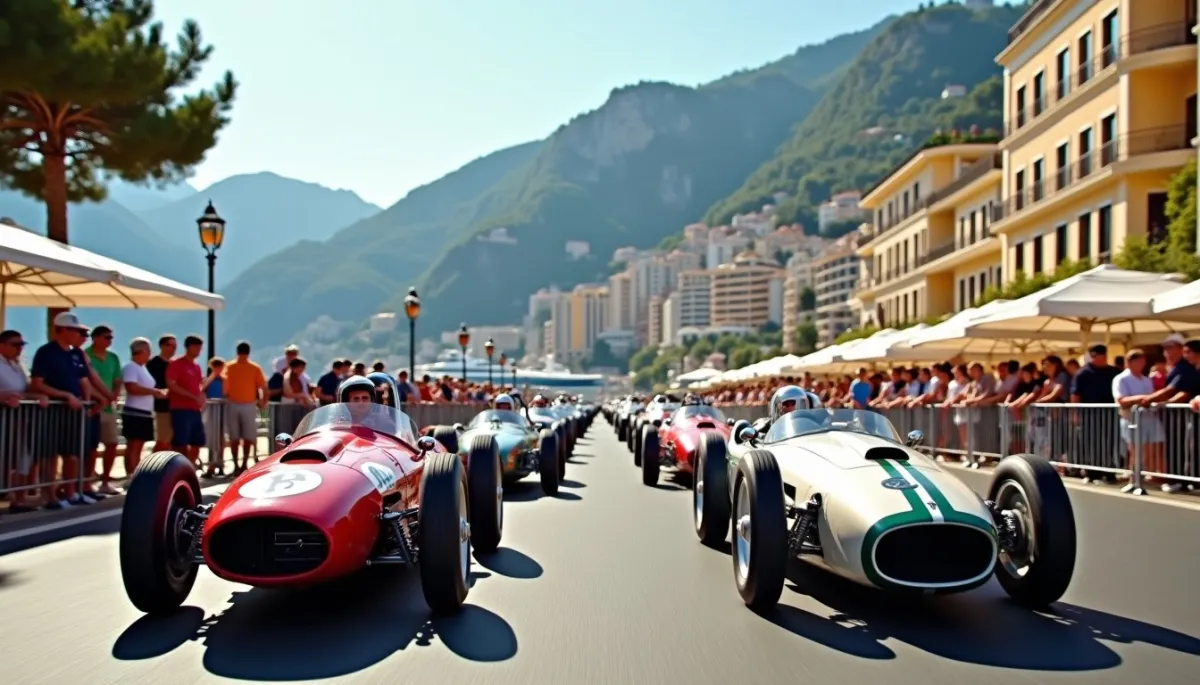
Walk the pit lane at 9 a.m. on a Historic Grand Prix morning and you see mechanics in overalls adjusting carburettors, owners polishing enamelled liveries and a handful of legendary shapes parked under canvas: the long-nosed Maserati 250F, compact Lotus grids from the 1960s, even pre-war supercharged Grand Prix cars. Beyond the barriers, yachts glitter in the Port Hercules and tourists cluster on the Quai Albert I, phones up, trying to capture the perfect frame.
streets that remember
The Monaco Historic Grand Prix occupies the same 3.337 km route that has tested drivers since the 1920s, adapted from the Formula 1 layout. The event, organised by the Automobile Club de Monaco (ACM) since its first edition in 1997, usually takes place in May, about two weeks before the modern Grand Prix. It is a biennial ritual that fills the Principality with machines and spectators who come for nostalgia and spectacle.
Separated into multiple grids (from pre-war single-seaters to 1970s Formula cars), the races are classified so that cars compete with contemporaries. That structure creates tight, convincing battles rather than parades. Official entries often include meticulously restored Maserati 250Fs, Lotus 18 and 49 models, Ferrari single-seaters and striking rear-engine Brabhams. Seeing them circulate on the harbour bend or under Casino Square is to witness living automotive heritage.
Attendance figures vary, but a typical Historic weekend attracts tens of thousands of visitors. The mix of collectors, drivers, mechanics and enthusiastic crowds is part of the charm. For manufacturers and collectors it’s also an arena to display provenance, authenticity documents and restorations, which in the classic-car market can elevate values into the multi-million euro range (some iconic cars exceed dozens of millions).
why the return to old engines
Two trends explain the resurgence of interest in historic racing. First, a cultural appetite for authenticity: petrolheads and general audiences alike seek experiences that feel tangible. The crackle of an old engine, the smell of warm oil, the human scale of period cockpits deliver an emotional intensity that simulators cannot replace.
Second, the preservation movement. Enthusiasts, museums and specialist workshops have developed skills for correct restorations, using original parts or faithful fabrications. The Monaco event rewards those investments: cars with verified histories and race credentials gain prestige, and drivers passionate about period technique relish the chance to race where legends once did.
Finally, the commercial angle matters. Luxury brands and collectors see PR and hospitality opportunities in Monaco’s glamorous setting. Dealers and auction houses time displays and catalogues around the Historic Grand Prix, making the weekend both cultural festival and marketplace.
between celebration and challenge
Yet the nostalgia has its tensions. Safety standards have evolved since the 1950s, and organisers must balance preserving original specifications with protecting drivers. The ACM imposes strict safety checks, roll cages where needed, and modern fire suppression systems carefully integrated to respect authenticity.
Another tension is accessibility. Ticket prices, hospitality packages and the general cost of attending an event in Monaco can put parts of the experience out of reach for ordinary fans. Local initiatives and some public viewing areas attempt to keep the spectacle accessible, but the overall feel remains luxe and exclusive.
Looking ahead, environmental questions will shape historic motorsport too. Some organisers explore carbon offsetting or sustainable paddock operations. Purists debate solutions such as synthetic fuels that replicate historical combustion characteristics while lowering emissions. The conversation is ongoing, and Monaco, with its visibility, often finds itself at the centre of those experiments.
If you plan to attend: book early, choose your vantage (Sainte-Dévote for the start, the Port for close-up banking, Rascasse for dramatic braking), bring ear protection and allow time to wander the paddocks where history lives in everyday gestures. The Monaco Historic Grand Prix is not just a race. It is a weekend where machines, memory and the Mediterranean light meet.
Thanks for reading, and don't forget, Enjoy Life Moments!