Mindful batch cooking: preparing your week's meals as a ritual of self-love
🚀 Key Takeaways
- Core concept : Batch cooking mindful means preparing several meals at once with intention and sensory attention.
- Practical tip : Reserve 2 to 3 hours on a calm day, choose overlapping ingredients, and finish dishes fresh at service.
- Did you know : During the 2020 lockdowns many turned to weekly meal prep as both economy and emotional stability.
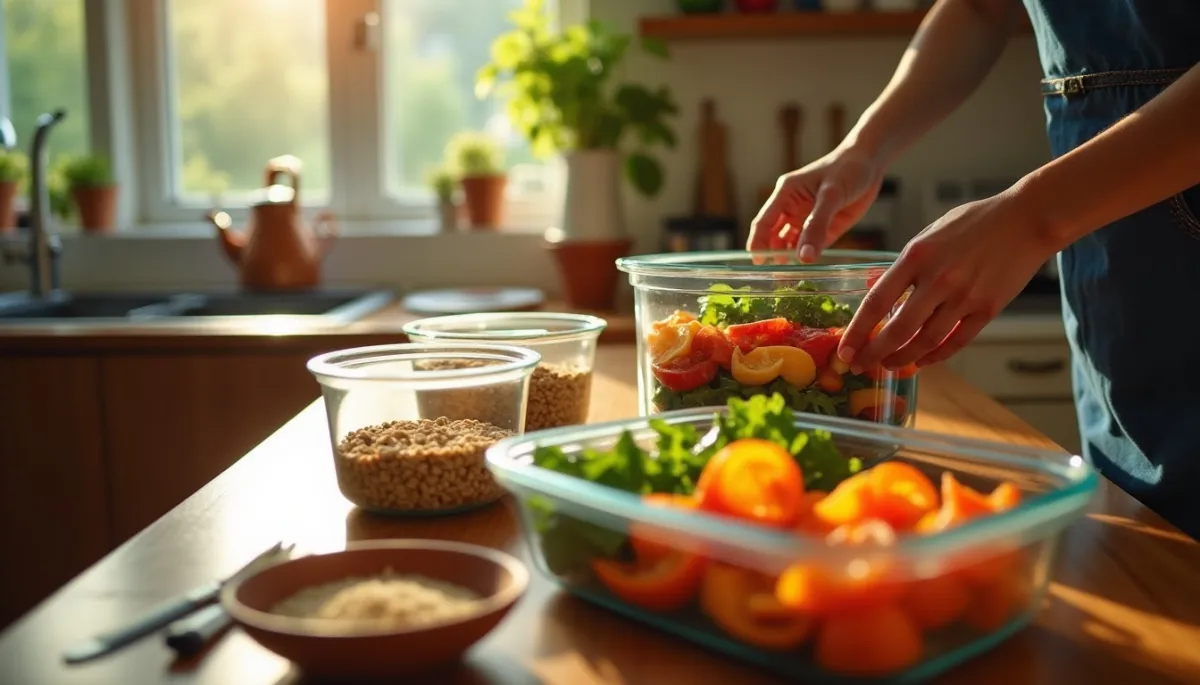
Start slow. Imagine the late afternoon light falling across a wooden table, glass jars lined like little promises. A kettle sighs, a playlist plays low, and you chop vegetables not to rush, but to feel the rhythm of your hands.
Why it matters
Batch cooking is the practice of preparing multiple portions of meals at once, then refrigerating or freezing them for the week. It is often framed as a time-saver for busy lives. In a mindful version, it becomes an intentional pause: you prepare food for body and mind.
The surge in interest for batch cooking escalated during the 2020 global lockdowns, when many discovered that planning meals eased anxiety, reduced waste and saved money. Since then, food writers and lifestyle creators have refined methods that mix efficiency and pleasure.
Beyond logistics, mindful batch cooking addresses larger social patterns: increasingly fragmented schedules, the disappearance of the after-work homemade dinner, and the craving for predictable nourishment in uncertain times.
Roots and rhythms
Batch cooking borrows from older traditions. In many cultures, food preparation has always been communal and ritualized: think Sunday roasts in the UK, Moroccan tagines simmered for guests, or the Italian mamma making a big ragu to last several meals. Modern batch cooking simply adapts these rhythms to urban, often solo, lifestyles.
The word itself is plain: 'batch' means a group or series. In kitchens it implies scale and repetition. Add the adjective 'mindful' and the meaning shifts toward attention, sensory awareness, and kindness toward oneself.
Concrete practices have evolved: mixing slow-cooked grains, roasted vegetables, sauces and proteins that can be recombined, so the week’s menu remains varied without daily cooking marathons.
How to do it gently
Start with a plan. Choose three to four base recipes that share ingredients. That way, you minimize waste and your shopping list stays simple. Think grains, a roastable vegetable, a protein and a versatile sauce.
Timebox the session. Two to three hours on a calm afternoon is enough for many households. Play music, breathe between tasks, and put your phone aside. Label containers with dates and contents, and use clear glass to let colors entice you later.
Preservation rules matter. In general, cooked meals keep safely in the refrigerator for three to four days; freeze for longer storage, up to three months for best quality. Reheat evenly and add a fresh element at service, like herbs, a squeeze of citrus, or crunchy seeds.
The benefits seen
Practically, mindful batch cooking reduces decision fatigue: fewer nightly choices, less impulse takeout, and often a smaller grocery bill. Psychologically, it creates a ritual that signals self-care. Many people report improved sleep and less evening stress when dinners are predictable and nourishing.
There are environmental gains too. Buying in modest bulk, using the whole vegetable, and reducing food waste contribute to a smaller household footprint. Simple swaps, like frozen legumes and versatile grains, make the approach accessible and affordable.
Story: Claire, a Parisian graphic designer, began a weekly ritual of two-hour Sunday cooking. She describes it as ‘‘an hour of silent therapy’’ that set the tone for her workweek. Her anecdote is one of many showing how meal prep can become emotionally stabilizing.
Tensions and balances
Not everything about batch cooking is idyllic. If done mechanically, it can feel like a chore that drains pleasure. The mindful approach avoids this trap by emphasizing play: vary textures, keep a few spontaneous meals, and allow leftovers to inspire, not dictate.
There are also social considerations. Cooking in bulk can reduce daily family interaction around the stove. Counterbalance this by sharing the ritual. Invite someone to cook with you, or reserve one night a week for a shared, freshly made meal.
Finally, accessibility matters. Not everyone has storage space or time. Mindful batch cooking is scalable: even cooking a single pot of beans and a tray of roasted vegetables counts as meaningful preparation when done with intention.
Thanks for reading, and don't forget, Enjoy Life Moments!