Maya women today: guardians of a threatened culture
🚀 Key Takeaways
- Key concept : Maya women are cultural transmitters, from midwifery to weaving.
- Practical tip : Support community cooperatives and ask permission before photographing rituals.
- Did you know : Rigoberta Menchú (K'iche') won the Nobel Peace Prize in 1992, raising international awareness of Maya rights.
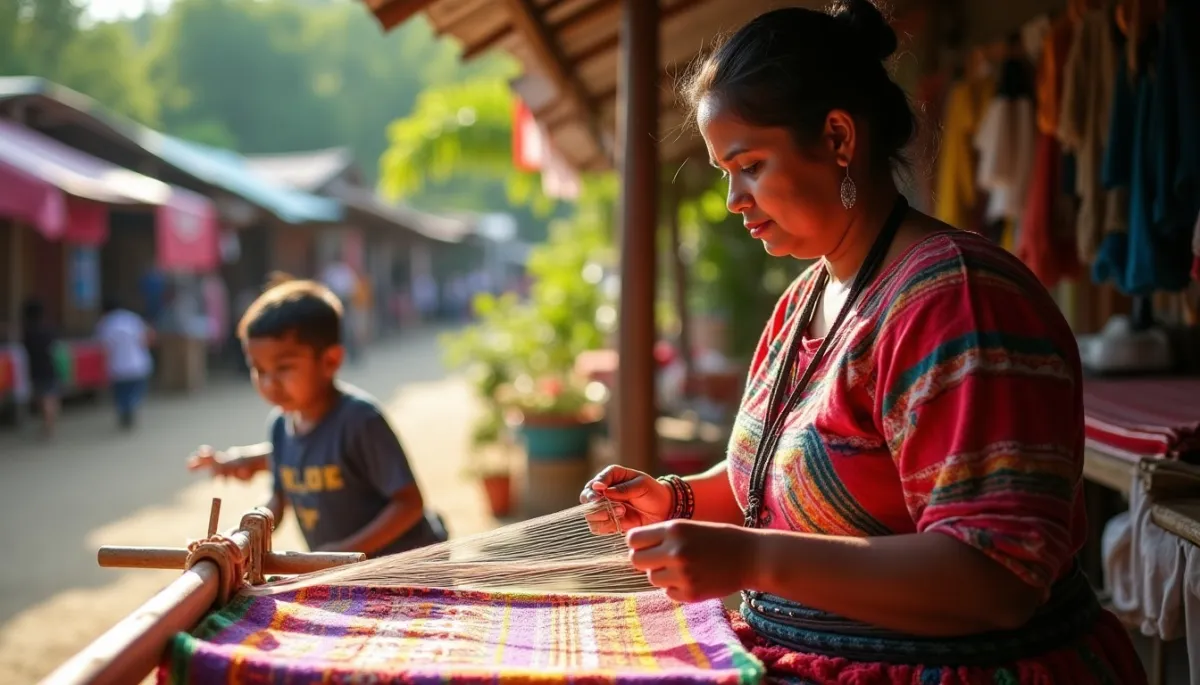
She hums while pulling bright thread through white cotton. In the market of Valladolid, a woman in huipil ties the last knot, her grandson running between stalls, while tourists pause and learn the name of the motif.
Stitches of survival
Across coastal Quintana Roo, the plains of Yucatán and the highlands of Guatemala, women remain the main keepers of textile knowledge, language use and household medicine. Daily practices — weaving, midwifery, cooking ceremonial dishes — transmit values and identity.
This cultural transmission is concrete. In many villages, girls learn to embroider from the age of six, memorizing iconography that references nature, cosmology and family stories. These motifs are not decorative only, they are mnemonic devices that carry history.
In recent decades, artisan cooperatives have multiplied. Associations in Mérida, Cobá and San Cristóbal de las Casas organize sales, training and microcrédit, helping women move from informal market stalls to international clients while keeping traditional techniques alive.
Currents of pressure
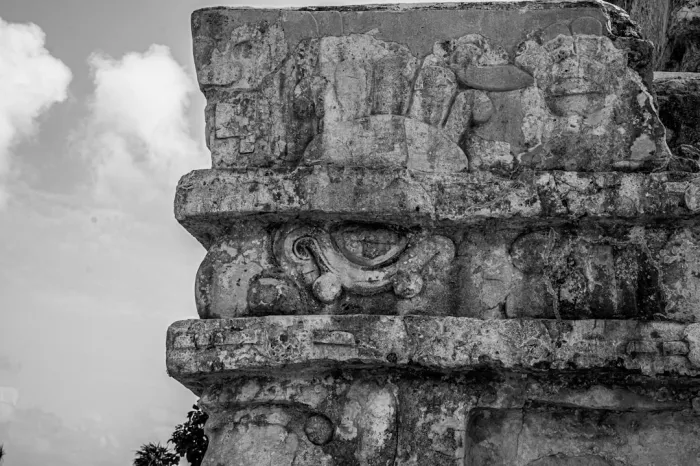
At the same time, pressures accumulate. Since about 2010, rapid tourism development in places like Tulum has driven land speculation and environmental stress. Cenotes and water tables are affected, and coastal development alters traditional livelihoods.
Language loss is another measurable issue. Younger generations increasingly use Spanish or English in tourist zones, and while some communities maintain strong Maya-language use, others see a decline in intergenerational transmission, especially where schooling and media are only in Spanish.
Climate change compounds the threat. Droughts, irregular rainfall and stronger hurricanes (for example, hurricanes in 2017 and 2020) affect crops and the ability to practice agricultural rites tied to the calendar, undermining the material base of traditions.
Roots and causes
Why this tension between preservation and threat? The reasons are multiple and intertwined. Economic necessity pushes many women to migrate or to sell their labor in tourist towns, reducing time for traditional crafts and rituals.
Public policies historically favored assimilation. Schooling, land titling and infrastructure projects often ignored indigenous governance and knowledge, creating structural disadvantages, although there have been advances in legal recognition of indigenous rights in recent decades.
Global markets also shape choices. High demand for cheap souvenirs pressures artisans to simplify or industrialize designs. Conversely, niche markets seeking authenticity have created opportunities, but those require access to networks and fair trade mechanisms.
Echoes of resistance
Despite challenges, initiatives rooted in women's leadership resist loss. In the early 2000s and beyond, local collectives created cultural centers that teach language, weaving and traditional midwifery. In Yucatán, some communities organize language nests (preschool programs in Maya) to restore use among children.
Notable figures amplify these efforts. Rigoberta Menchú (Guatemala) brought international visibility to indigenous struggles, and locally, midwives and curanderas often act as community leaders, combining traditional knowledge with health campaigns (for example, maternal health outreach in the 2010s).
Tourism can be a lever when managed with respect. Community-led tourism, homestays and workshops allow visitors to learn embroidery techniques, participate in milpa planting or attend guided rituals, providing income while reinforcing pride and practice.
Guides and gestures
If you travel to the Riviera Maya and beyond, choose respectfully. Buy directly from artisans or certified cooperatives, avoid buying archaeological artifacts, and favor experiences organized by the community rather than large operators.
Learn a few words before arriving; a simple greeting in Yucatec Maya opens doors and shows respect. Ask before photographing people or ceremonies, and listen to local guides about taboos and sacred sites, especially cenotes used for ritual offerings.
Support organizations that fund language revival, microcredit and sustainable water projects. Small gestures — a fair price for a huipil, attending a workshop — have amplified effects for cultural survival.
Thanks for reading, and don't forget, Enjoy Life Moments!