Make your bed a temple: feng shui and design for love and rest
🚀 Key Takeaways
- Core concept : The bed anchors bedroom energy and relationships.
- Practical tip : Place the bed in the command position and create symmetry for couples.
- Did you know : Many boutique hotels focus on bed placement and textiles to improve guest sleep and romance.
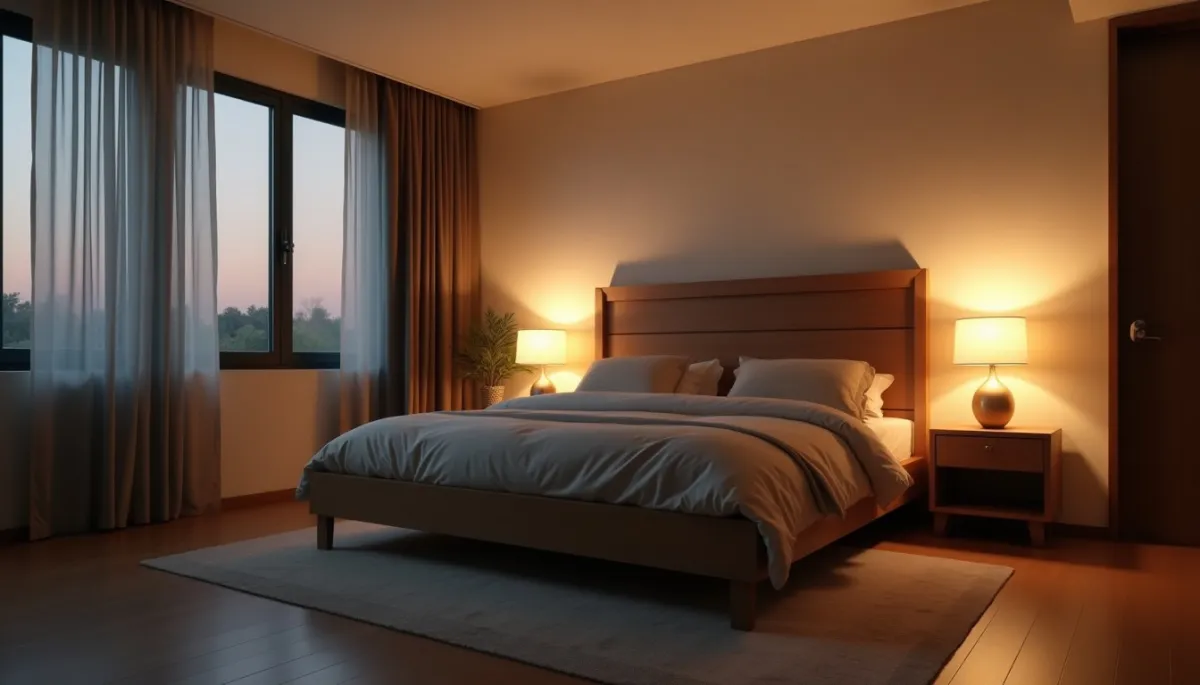
Softness first, tension last. Imagine stepping into a dim bedroom where the bed looks inviting, balanced and deliberately arranged, as if it were a small temple for two or for oneself.
Energy of the bed
The bed is the heart of the bedroom. In feng shui, it is a major node of Chi, the life force that circulates through a space and through relationships.
That energetic perspective has practical consequences. A bed placed awkwardly under a window, in a corner without a headboard, or surrounded by clutter tends to break the sense of safety that is needed for deep sleep and for emotional intimacy.
Hotels known for restorative stays, like Aman Resorts or boutique properties in Kyoto, pay attention to this. They place beds with clear sightlines, warm textiles and minimal distractions. The result is measurable: guests report better sleep and a calmer mood, which helps reconnecting couples.
Placement and symmetry
Command position means the bed faces the door without being directly in line with it. This principle is both symbolic and functional.
Why does this work? Facing the door gives a feeling of control and safety, reducing subconscious vigilance that fragments sleep. For couples, symmetry matters: two bedside tables, balanced lamps, and a generous headboard create psychological parity and reduce small tensions over territory.
Practical rules: center the bed on the longest wall when possible, anchor it with a solid headboard, avoid mirrors facing the bed, and keep electronics out of sight. These choices improve sleep architecture and foster closeness by reducing nightly friction.
Fabrics and light
Texture, color and light shape mood as surely as layout does. Natural fabrics like linen or cotton breathe, and warm colors support relaxation and romantic atmosphere.
Light layering is essential. Combine a dimmable overhead light, soft bedside lamps, and blackout curtains. This allows a transition from day to night that supports melatonin production and intimate moments without harsh glare.
Plants add oxygen and softness, but avoid large, spiky specimens near the bed. A single orchid or a trailing pothos can enliven the room without introducing chaotic energy. Small rituals, such as turning down the bed together or lighting a subtle scent, consolidate bonding cues.
Clear space, clear sleep
Clutter fragments attention. A tidy bedroom signals to the brain that rest is allowed. This is why many sleep studies and behavioral therapists recommend treating the bedroom as a low-stimulation zone.
Storage solutions under the bed must be tidy; if used for unresolved paperwork or clothes chaos, they keep the mind active. Keep the floor around the bed clear to allow Chi to circulate and to reduce the stress of visual noise.
Small habits make a big difference. Put phones on airplane mode and out of reach, reserve the bed for sleep and sex, and spend five minutes each evening straightening pillows and throws. These acts convert a surface into a sanctuary.
Nuances and exceptions
Feng shui offers guidelines, not rigid rules. Cultural preferences, apartment constraints, and personal routines matter. A loft with limited wall options will require creative adaptations.
Minimalism may soothe some people and stress others. For those who feel colder in sparse rooms, introduce warm textiles and layered lighting. For obsessive tidiers, allow a curated display that brings joy, like a framed photo or a small collection of meaningful objects.
Above all, test changes. Move the bed, try new bedding, and note sleep quality and emotional temperature in the relationship. Even small experiments reveal what helps you feel more rested and more connected.
Merci d'avoir lu, et n'oubliez pas, Profitez des moments de la vie !