Long distance and spotlight: why athlete couples last
🚀 Key Takeaways
- Concept key : Athlete couples combine scheduled proximity and controlled privacy to stay connected.
- Practical tip : Create private rituals and social media rules, and plan visits around competition calendars.
- Did you know : Long-distance phases are often cyclical, linked to seasons, tours and qualifying windows.
Love wins on match point.
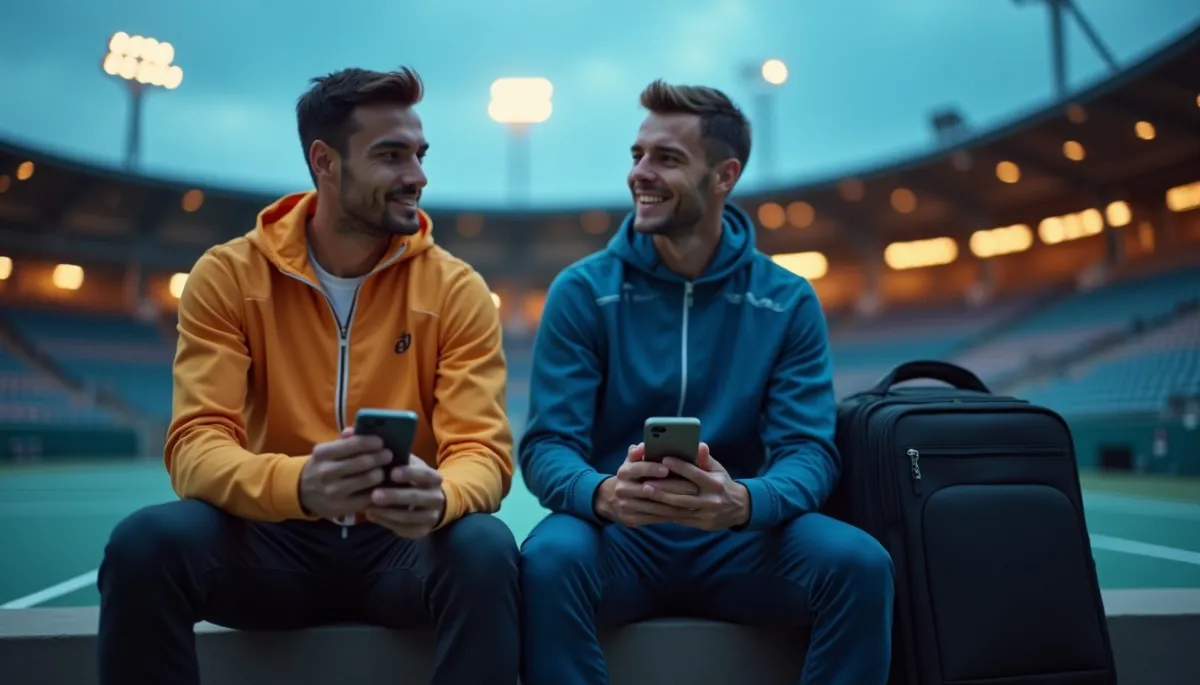
Imagine a late-night hotel room in Roland-Garros. One athlete sinks into an armchair after a press conference, phone dimmed, while the partner, still awake after a match, sends a short voice note. It is a ritual: five words, a shared playlist link, a promise of breakfast tomorrow. Across time zones, this tiny exchange is the glue of their relationship.
Scènes de tournée
High-profile athletes spend long stretches apart. Tennis players live on a month-to-month tournament circuit, cyclists follow a grand tour calendar, and Olympic hopefuls endure training camps. These rhythms force repeated episodes of physical separation, which resemble classic long-distance relationships but with added variables: fatigue, jet lag, and constant public scrutiny.
The consequence is that intimacy must be scheduled. Couples build micro-rituals: daily voice notes, virtual dinner dates, reciprocal social media stories that are private rather than performative. For Roger Federer and Mirka, who met and toured together in the early 2000s, the balance between presence and professional focus became a family strategy. For Andre Agassi and Steffi Graf, another tennis union, shared understanding of competitive pressure helped create a rare longevity.
Beyond rituals, athlete couples often synchronize calendars. They plan visits around off-seasons, recovery windows, and lighter competition blocks. This logistical approach reduces uncertainty, turning distance from a threat into a predictable phase of the year.
Mécaniques invisibles
Hyper-mediation transforms private life into a public asset and a liability. Social feeds, tabloids, and pundits amplify minor tensions. The notion of relationship-as-brand appears, where a couple's image can impact sponsorships and public perception. This pressure creates unique mechanisms of defense.
Athlete couples hire media coaches and PR teams to manage narratives. They agree on what to share and what to shield. Novak Djokovic and Jelena Djokovic navigated early fame by tightening personal boundaries, learning to separate official posts from private messages. This gatekeeping helps preserve intimacy when millions of eyes watch every gesture.
Another invisible mechanism is compartmentalization. Partners develop roles: one may handle family logistics, the other the public-facing calendar. This division prevents emotional overload during peak seasons. It also creates resilience; when the public eye is intense, the private partner becomes an anchor, not another broadcaster.
Doutes publics
Yet publicity brings contradictions. The more you share, the more followers feel entitled. Parasocial relationships (fans feeling a one-sided closeness) can pressure couples to perform happiness. That performance erodes authenticity over time and increases the risk of conflict spilling into the public domain.
Scandals involving high-profile athletes show how quickly private disputes can become career issues. The temptation to control a narrative can backfire, making authentic reconciliation harder. Some couples choose silence as strategy; others, selective candor. The key is consistency, not overexposure.
Looking forward, technology will create new fault lines and tools. Deepfake risks, always-on streaming, and AI-driven rumor mills demand stronger boundaries. Still, many athlete couples turn those same technologies to their advantage, using private group chats, encrypted calls, and shared fitness apps to stay emotionally in sync even when miles separate them.
Practical advice emerges from these patterns. Set clear social media rules together, make a calendar of visits tied to training phases, keep a small set of private rituals, and consider professional help (couples therapy, media advisors) when public pressure intensifies. Remember that scarcity can strengthen desire, when managed with intention.
In short, the secret is not magic. It is logistics, shared language, and deliberate protection of a private interior. When athletes treat their relationship like a long-term partnership needing planning and maintenance, it endures.
Thanks for reading, and don't forget, Enjoy Life Moments!