Yin yoga: the still practice that releases deep tension and calms the nervous system
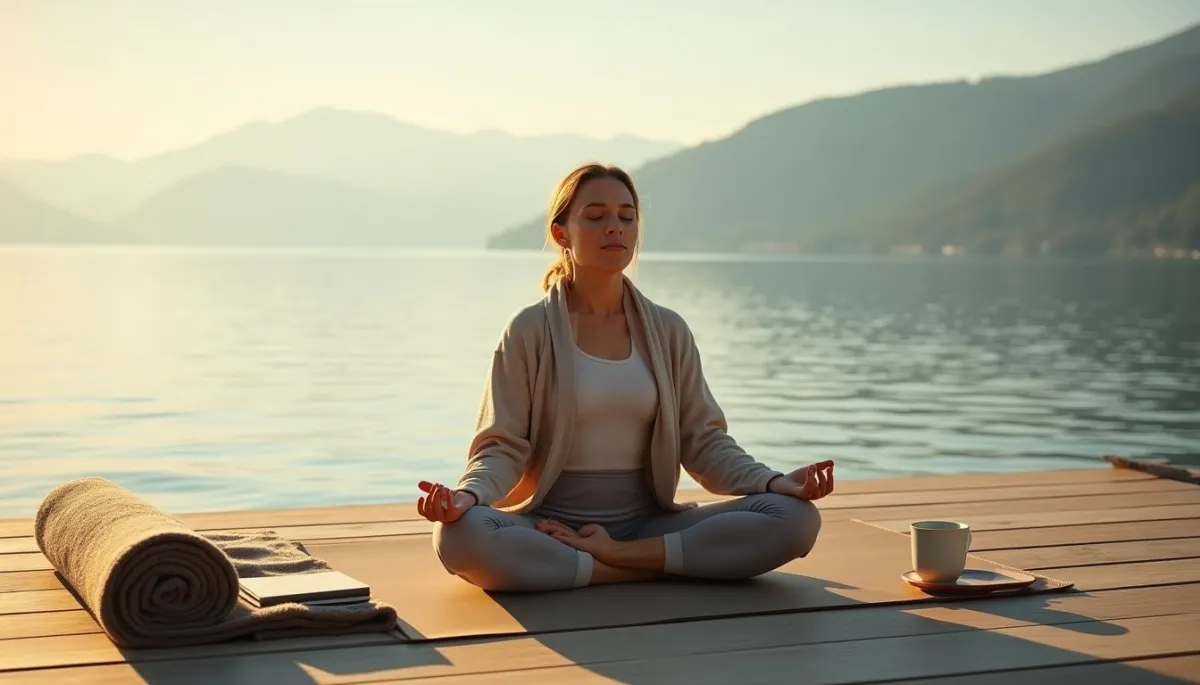
🚀 Key Takeaways
- Core concept : A slow, passive practice that targets connective tissue to release deep tension.
- Practical tip : Use props and hold poses 3 to 5 minutes while breathing slowly to stimulate the parasympathetic nervous system.
- Did you know : Yin complements active styles like Vinyasa by working deeper layers of fascia and calm-centered regulation.
Yin Yoga is not about muscular effort. It is a study in surrender and attention. By holding simple shapes for extended periods, you invite fascia and joint tissue to adapt, and your nervous system to downshift.
Far from being passive laziness, Yin is an intelligent practice for modern stress. For travelers, busy professionals or anyone who sleeps poorly, it offers a quiet doorway to lasting relaxation.
What Yin Yoga actually is
Yin Yoga focuses on long holds, usually between three and five minutes, sometimes longer. Poses are mostly seated or supine and rely on passive support from props, letting gravity and breath do the work rather than muscular contraction.
The aim is to access connective tissues such as fascia, ligaments and joint capsules. These structures respond slowly. A sustained gentle stress encourages them to lengthen and reorganize, improving mobility and resilience over time.
How it calms the nervous system
When you settle into a posture and breathe slowly, the body shifts toward parasympathetic dominance. Heart rate decreases, breathing becomes deeper, and brain activity moves to a more restorative state. This is the physiology behind that calm, floaty feeling after a Yin session.
There is also a strong mind-body feedback. Stillness trains your attention, lowers sympathetic arousal and helps process stored tension. The combination of physical release and mental quieting is what makes Yin especially effective for chronic stress.
Setting up your practice
Create a warm, quiet environment. Use a thick mat, folded blankets, bolsters and blocks. Props let you soften into poses safely and stay for longer without straining muscles.
Wear comfortable layers. Aim for 30 to 60 minutes for a meaningful session. Begin with a short centering of five to ten slow breaths, then move through three to six poses, holding each for several minutes. Finish with a longer Savasana or supported rest.
Practical tips and breathing
Focus on slow, diaphragmatic breathing. Count if it helps: inhale for four, exhale for five or six. The slightly longer exhale promotes parasympathetic activation. Keep the breath natural and soft rather than forced.
Use micro-adjustments to find comfort. A small padding under the knee, a block under the hip or a rolled blanket at the lower back can transform an uncomfortable hold into a sustainable, productive one.
Example sequence for a 45-minute practice
Start with two to five minutes of mindful breathing. Move into a supported butterfly (Baddha Konasana) for 4–6 minutes, then a seated forward fold (Paschimottanasana) for 3–5 minutes, a reclined twist for 3–4 minutes per side, and a supported bridge or kinder backbend for 3–5 minutes. Finish with 8–10 minutes of Savasana with a bolster under the knees.
Adjust times to your comfort and needs. The quality of presence matters more than the exact minute count. If you feel sharp pain, ease out. Yin should create a long, slow burn, not an acute injury.
Contraindications and safety
Avoid deep, prolonged compressions on vulnerable joints after recent surgery, acute injuries or if you have severe osteoporosis. If you have disc herniation or significant sciatica, practice under guidance and use strong support to limit spinal flexion.
Pregnant practitioners can adapt many poses but should avoid intense compression of the abdomen and prolonged supine positions in late pregnancy. When in doubt, consult a teacher or health professional and prefer a gentle, guided session.
Integrating Yin into your life
Make Yin a weekly ritual. Even two short sessions of 20 to 30 minutes can reset your nervous system and improve sleep and mobility. Pair it with a warm drink, a dim light and a consistent time to anchor the habit.
Think of Yin as a companion to an active lifestyle. It helps restore the body after long travel days, intense workouts or mentally demanding work. The gifts of stillness are cumulative and quietly profound.
Thanks for reading, and don't forget, Enjoy Life Moments!