The adventurer of the century: Alexandra David-Néel, the first white woman in Lhasa
🚀 Key Takeaways
- Core concept : A woman who combined scholarship and daring to enter forbidden Lhasa in 1924.
- Practical tip : Read her 1927 account, "My Journey to Lhasa", before traveling in Tibet; respect permits and acclimatize slowly.
- Did you know : Born in 1868, she lived to 100 and left more than 30 books on Tibet and Buddhism.
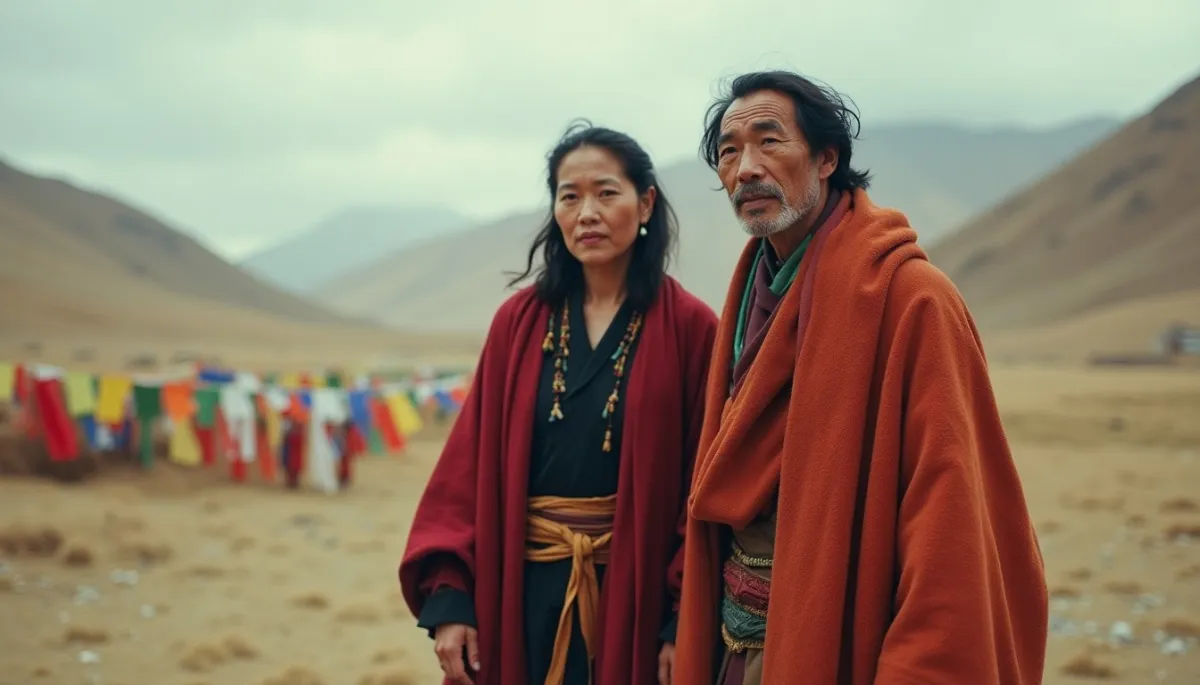
She appears like a silhouette on a high plateau, wrapped in Tibetan wool and carrying a small satchel. The image is at once cinematic and intimate, a woman alone where most dared not go.
Secret arrival
Alexandra David-Néel, born in Saint-Mandé on 24 October 1868, was already a seasoned traveler when she set out for Lhasa. She had studied Eastern religions, learned Tibetan and Sanskrit, and lived long periods in Asia.
In 1924, at about 55 years old, she reached Lhasa after a route of months across Sichuan and the Tibetan plateau. Contemporary reports and her own account describe her traveling in disguise as a pilgrim, blending into the flow of caravans that approached the forbidden city.
Her arrival mattered because Lhasa, capital of Tibet and seat of the Dalai Lama, was closed to most foreigners. Western chronicles later hailed her as the first white woman to have entered the city, a symbolic milestone in the history of exploration.
The scholar traveler
David-Néel was not only a bold traveler. She was a prolific writer and an earnest scholar. Over her life she wrote more than thirty books, among them "My Journey to Lhasa" (published in French in 1927 as "Voyage d'une Parisienne à Lhassa") and works on tantric practices and Tibetan Buddhism.
She studied languages and philosophy, and her learning gave her access to temples, texts and interlocutors that casual tourists never meet. Her companion, the young Tibetan Yongden, who stayed with her for decades, helped bridge cultural and linguistic gaps.
Her books mix travel narrative, ethnography and spiritual reflection. They provided Western readers in the interwar years with vivid, sometimes exoticized, portraits of Tibetan life, ritual and monastic culture.
The path taken
How did she reach Lhasa? The journey involved months on foot and on horseback, crossing high passes and negotiating with local leaders and caravans for safe passage. She left from China and moved through regions now in Sichuan and eastern Tibet, following pilgrims' routes rather than official foreign roads.
Disguise was part of her strategy. She adopted local dress and the manners of a pilgrim, which allowed her to travel without attracting the attention that a European woman would have provoked. Her accounts describe nights in monasteries, the noise of prayer flags and the barter of goods at roadside markets.
Her arrival was neither theatrical nor undocumented. She kept journals and photographs, and her book published in 1927 offered a step-by-step narrative that sparked admiration and controversy back in Europe.
Between wonder and critique
Admiration for David-Néel's courage coexists with more critical readings. Some historians point out that her accounts sometimes mix observation and imagination, shaped by the expectations of a European readership in the 1920s.
Her spiritual claims, including descriptions of esoteric practices and initiations, fascinated readers and provoked skepticism. Separating literal fact from interpretative narrative requires attention to context: travel writing of the period often blended ethnography, memoir and self-fashioning.
Today, travellers and scholars value her eyewitness reports but also read them through a critical lens, aware of colonial-era perspectives and the limitations of a lone European observer in a complex society.
Legacy and lessons
Alexandra David-Néel died on 8 September 1969, aged 100. Her long life bridged two centuries of rapid change in Asia and Europe. Her legacy is multiple: she inspired women travelers, contributed to early Western knowledge of Tibetan Buddhism, and left a corpus of vivid travel literature.
If you plan a trip to Tibet today, practical lessons remain. Obtain permits in advance, plan for altitude acclimatization, and approach local customs with humility. Read her work to feel the landscape and its sounds, then listen to contemporary Tibetan voices for balance.
Her story is a reminder that exploration can be intellectual, spiritual and physical at once. It invites curiosity, respect for other cultures, and the courage to step beyond familiar borders.
Thanks for reading, and don't forget, Enjoy Life Moments!