The art of hotel hospitality: why Lausanne schools are the best in the world
🚀 Key Takeaways
- Key concept : Learning-by-doing makes service measurable and repeatable.
- Practical tip : Visit Beau-Rivage Palace or the EHL campus to watch students train in real conditions.
- Did you know : Students at Lausanne schools represent more than 120 nationalities, preparing graduates for global careers.
There is a particular calm before service begins.
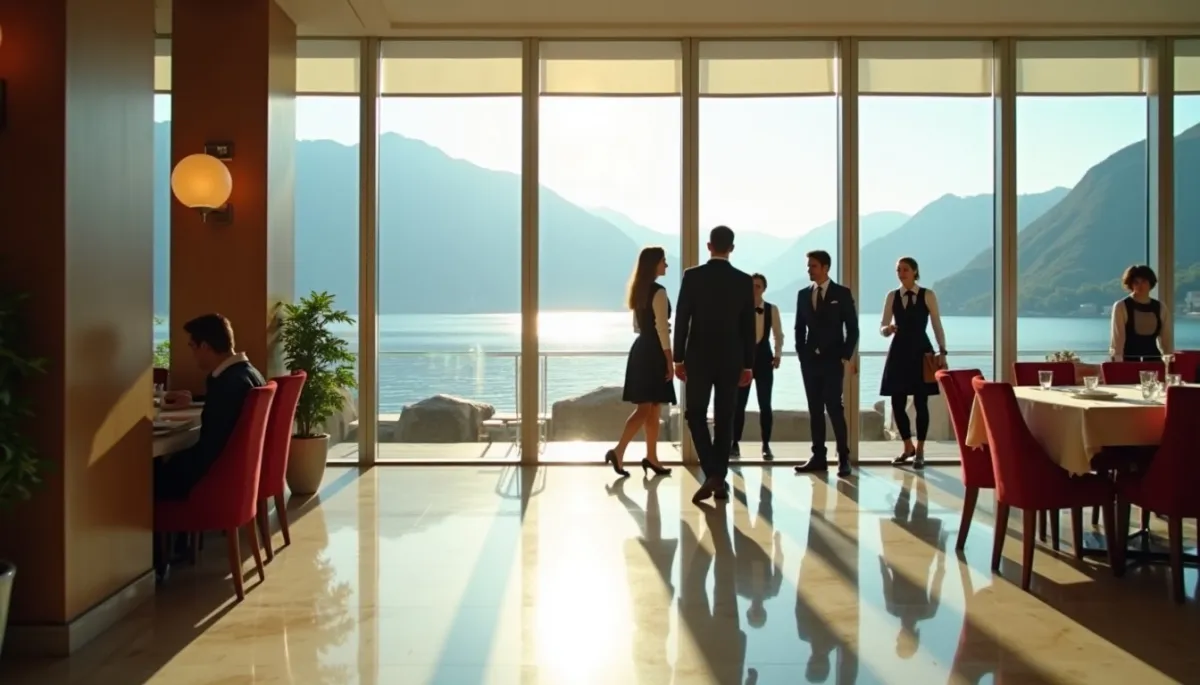
Picture a cold autumn morning on the shores of Lake Geneva. Students in crisp uniforms move through the lobby of an historic hotel, polishing silver, rehearsing a welcome speech in three languages, consulting a reservation tablet. Nearby, a classroom simulates a hotel suite, with a camera recording interactions for later feedback. The scene blends tradition and innovation: crystal chandeliers and tablets, polite bows and empathy exercises. You sense that hospitality here is taught as both craft and science.
Lakefront classrooms
Lausanne is not only picturesque, it is pedagogical. The École hôtelière de Lausanne (EHL), founded in 1893, set the tone for professional hospitality education. Its campus on the outskirts of the city, redesigned and expanded in recent years, includes teaching restaurants, a mock hotel, and innovation labs where students practice everything from revenue management to floral design.
These institutions are embedded in a living hotel ecosystem. Grand hotels like the Beau-Rivage Palace (opened 1861) and modern luxury groups in Geneva or Montreux serve as nearby laboratories. Students complete internships at houses such as the Four Seasons, Mandarin Oriental, and historic European palaces, which reinforces a bridge between theory and real guest expectations.
The result is measurable. For decades Lausanne schools have ranked at the top of international listings for hospitality and leisure management. Recruiters know that graduates arrive ready for operational roles, fluent in service standards and the decision-making that happens under pressure.
Craft and culture
What makes Lausanne unique is the blend of craft, culture, and multilingualism. Classes are often bilingual (French and English), and cohorts are formed of students from more than 120 nationalities. That diversity forces future managers to learn cultural codes, to decode gestures and preferences that differ from country to country.
Teaching methods emphasize soft skills, those human competencies that a machine cannot replicate easily. Courses on emotional intelligence, conflict resolution, and anticipatory service train students to read a room, to detect subtle cues of satisfaction or unease. In 2018 and beyond, hospitality curricula increasingly integrated design thinking and behavioral economics to shape guest experiences.
Lausanne also benefits from Swiss traditions of precision and apprenticeship. The notion of learning-by-doing (practical training paired with classroom theory) resembles the dual education model found in Swiss crafts. It produces graduates who can balance operational excellence with leadership and entrepreneurship.
Behind the scenes
There are historical and economic reasons why Lausanne became a benchmark. The region's 19th century boom in tourism, linked to the advent of rail travel and the reputation of Lake Geneva as a health and leisure destination, created demand for trained staff. By the early 20th century, employers sought standardized education for service roles, and schools answered that need.
In contemporary terms, global tourism's complexity pushed schools to evolve. Digital tools, distribution channels, and sustainability issues are now core lessons. Students learn revenue management algorithms one week, and the ethical sourcing of linens the next. That combination prepares them for careers that span operations, marketing, and sustainability management.
Not everything is seamless. Luxury service expectations differ widely across regions. A valet service prized in Riyadh may be irrelevant in Reykjavik. Schools must therefore teach adaptability, not a single script. Lausanne's response is flexible curricula and mandatory international internships that expose students to varied cultures and standards.
Future service
As hospitality faces automation and changing traveler values, Lausanne schools are adjusting. They invest in digital learning, but they also double down on what remains uniquely human: creativity, empathy, and storytelling. Programs now include modules on guest experience design, climate-smart operations, and inclusive leadership.
Alumni success stories are telling. Graduates lead boutique hotels, manage global chains, or launch hospitality tech startups. Their training in Lausanne gives them tools to create memorable stays, measure guest satisfaction, and scale service concepts across continents.
For travelers, the takeaway is simple. When you receive a warm, timely welcome at a hotel in Paris, Tokyo, or Geneva, there is a good chance a Lausanne-trained professional shaped that moment. The city teaches how to design encounters that feel personal and effortless, and that is why its schools remain a global benchmark.
Thanks for reading, and don't forget, Enjoy Life Moments!