Lake energy: why proximity to Lake Geneva calms the nervous system
Close to the water the effect is palpable, and people report calmer breathing, fewer intrusive thoughts and a sense of being present. This article examines those consequences, then explains the causes behind them, and finally discusses the tensions and limits of the lakeside salves.
🚀 Key Takeaways
- Core concept: Proximity to Lake Geneva reduces stress through sensory, social and physiological pathways.
- Practical tip: Sunrise walks in Lavaux or the Ouchy promenade help trigger a parasympathetic response; avoid crowded afternoons.
- Did you know: The lake’s shoreline hosts UNESCO-listed vineyards, medieval Chillon and urban greenways that combine nature and culture.
Calm by the water
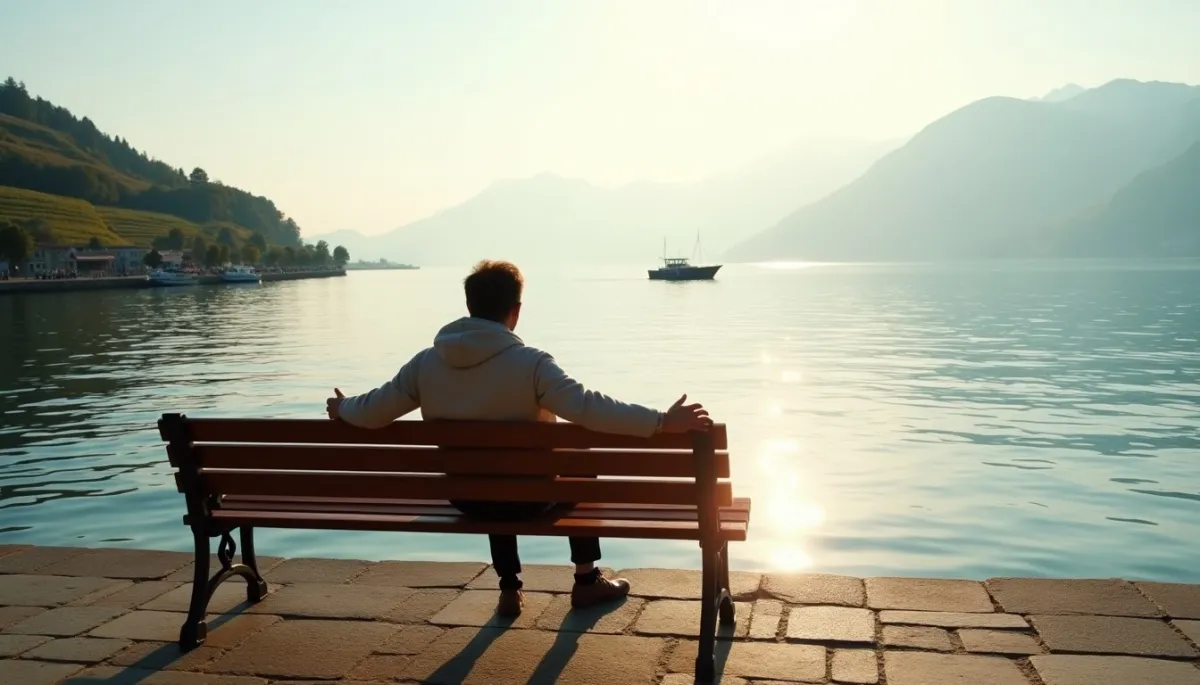
Sit on the Quai in Vevey or along the promenade in Montreux, and you will notice small, repeated effects. Conversations slow. Footsteps soften. People unconsciously match the lake’s pace. Local guides often see stressed visitors relax after a single stroll, and therapists recommend lakeside walks to patients with anxiety.
There are countless local anecdotes. A startup founder from Lausanne told me she switched daily meetings for a 15-minute boat trip on a CGN steamer, and found her decision-making clearer. An elder from Nyon explained how morning routines at the Jet d'Eau in Geneva replaced insomnia with predictable, soothing rhythms.
At festivals, the lake works differently. Montreux Jazz brings energy and noise, yet even there, late-night walks by the lakeside help musicians and fans decompress. The water buffers overstimulation and offers a neutral horizon that re-centers attention.
Mécanismes sensoriels et corporels
Why does this calming happen? First, the lake provides multisensory input that is coherent and low-threat: the repetitive lapping of waves, wide horizontal vistas, soft light reflecting off water. These cues signal safety to the brain, allowing the parasympathetic nervous system to engage, which lowers heart rate and cortisol production.
Second, the lakeside air carries higher levels of negative ions and cleaner aerosols (small particles from evaporating water), which some environmental psychology studies link to improved mood and alertness. Even if the exact biochemical pathways are still debated, the subjective improvement people report is consistent across seasons.
Third, cultural and social practices around the lake—cafés with outdoor terraces, Swiss promenades, the tidy vineyards of Lavaux—encourage slow, mindful movement. These rituals scaffold restorative experiences, turning mere exposure to the lake into repeatable habits that benefit long-term mental health.
Contradictions et limites visibles
However, proximity to the lake is not a cure-all. Urbanization along the Léman shoreline creates noise, traffic and tourist pressure, especially in high season. Places like Ouchy or Montreux can be crowded in July and August, which reduces the calming effect for sensitive visitors.
There is also a socio-economic divide. Access to quiet lakeside spots depends on mobility and time. Locals with flexible schedules can enjoy sunrise serenity, while seasonal workers or commuters may only experience the lake during rush-hour crowds.
Finally, scientific nuance matters. While many studies in environmental psychology point to benefits of blue space (water-based environments), causality is complex. Personal history, social context, and pre-existing conditions shape outcomes. The lake helps many, but it works best combined with sleep, movement and social support.
Conseils pratiques et indiscrétions locales
To maximize the lake’s calming power, choose time and place wisely. Early morning in Lavaux, between St-Saphorin and Lutry, offers golden light and near-empty paths. The Mont Pèlerin viewpoint gives a broader perspective that encourages awe, a state linked to reduced stress.
Use local transport to avoid parking stress. Take a CGN steamer from Geneva to Nyon for a relaxed, scenic reset, or hop on the Lausanne metropolitan train to Ouchy. Pack a thermos and a light blanket in colder months; the cold air heightens alert calm without being harsh.
Finally, consider micro-rituals: five minutes of paced breathing while watching a single wave reach the shore, or a daily photo of the water to track mood changes. Small, consistent practices compound the lake’s immediate effects into lasting resilience.
Thanks for reading, and don't forget, Enjoy Life Moments!