Ikigai: the Japanese method to find your reason to rise each morning
🚀 Key Takeaways
- Key concept : Ikigai means a reason to be, the overlap of passion, vocation, profession and mission.
- Practical tip : Start with four short lists: what you love, what you can do, what the world needs, what you can be paid for.
- Did you know : Okinawa, highlighted by Blue Zones research, helped popularize ikigai because of its many long-lived residents.
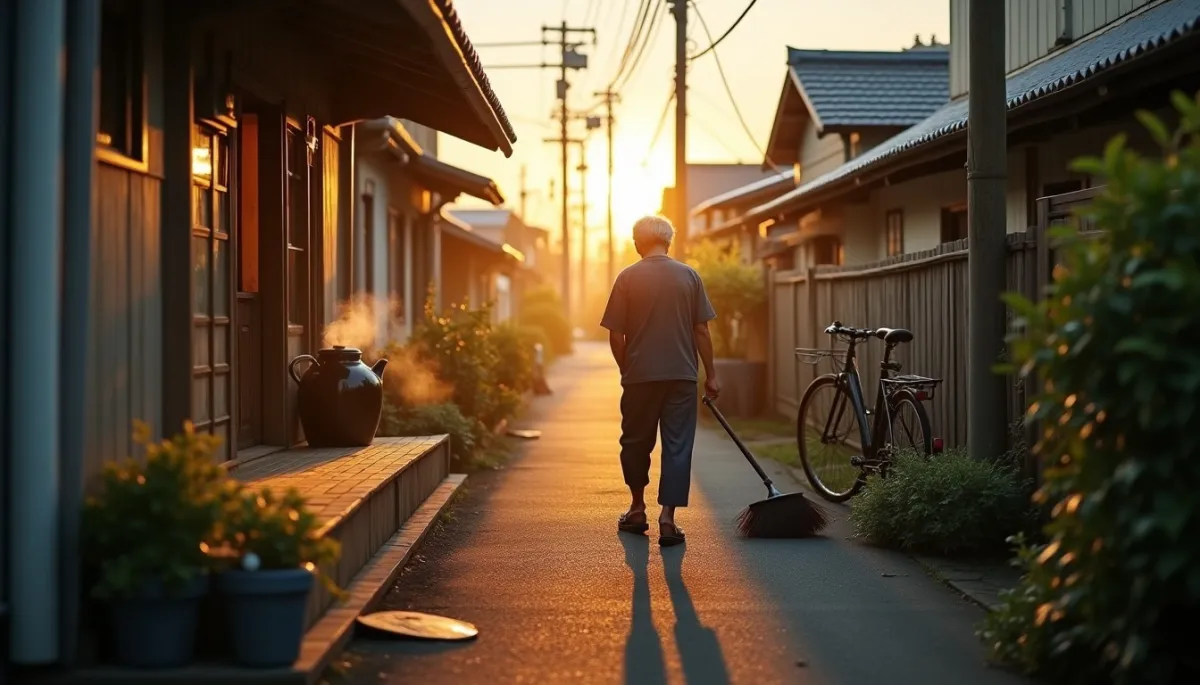
There is a small ritual before dawn. Imagine a narrow street in Okinawa, steam rising from a teapot, an elderly neighbor sweeping with slow, steady hands.
Morning in Okinawa
Ikigai has roots in everyday village life where long-livers kept a role, however small, within their community. In Okinawa, people often speak of small routines: gardening, tea, group gatherings called moai. These were not designed as self-help; they were ways to belong and contribute.
Research by Dan Buettner and the Blue Zones team in the mid-2000s brought global attention to Okinawa's longevity. Journalists and authors began linking long life with a sense of purpose. The term ikigai became shorthand for that blend of meaning and routine.
In 2016, Spanish authors Héctor García and Francesc Miralles published "Ikigai: The Japanese Secret to a Long and Happy Life", which introduced many Western readers to the concept. Since then, ikigai has been cited in articles about career change, retirement and mental health.
Mapping the heart
At its simplest, ikigai is often represented as four overlapping circles: what you love, what you are good at, what the world needs, and what you can be paid for. The sweet spot in the center is your ikigai. This visual is practical because it turns a vague longing into a map you can work with.
Neuroscientist Ken Mogi explored ikigai in his 2018 book, highlighting five small pillars: starting small, releasing yourself, harmony, joy in little things, and being in the here and now. His approach reframes ikigai as micro-habits more than grand projects.
For many people in the West, ikigai became a tool to rethink work. Instead of waiting for a career epiphany, you assemble small satisfactions. For example, a schoolteacher who loves carpentry may start weekend workshops, connecting passion with service and income in small steps.
Daily practice
How to begin: write four lists (love, skills, needs, paid). Look for overlaps and try one small experiment for a month. Keep it under an hour per week. The point is momentum, not instant transformation.
Community matters. Okinawa's moai are informal support circles that share chores, friendship and celebrations. Modern ikigai-adopters often recreate this by joining clubs, volunteering or forming peer groups. The social layer sustains purpose beyond individual willpower.
Be realistic about contradictions. Ikigai is not a magic bullet. Economic pressures, burnout, and systemic inequalities mean some cannot simply pivot to ideal work. Yet the principles—small steps, community, aligning values—are adaptable to many situations, from caregiving to entrepreneurship.
Practical checklist: set one weekly small action, keep a short gratitude log, ask three friends what they think you do well, and review every three months. These tiny rituals build a living ikigai.
Thanks for reading, and don't forget, Enjoy Life Moments!