Hidden vineyards: discovering wines you'll never find in supermarkets
🚀 Key Takeaways
- Core idea : Many exceptional wines are produced in tiny quantities and sold directly by the vigneron or through specialised merchants.
- Practical tip : Look for labels reading "bottled at the domaine" or codes like RM in Champagne, join mailing lists, and visit small cellars.
- Did you know : Regions like Jura, Priorat, Santorini and small Douro quintas often reserve their best cuvées for local sale or loyal customers.
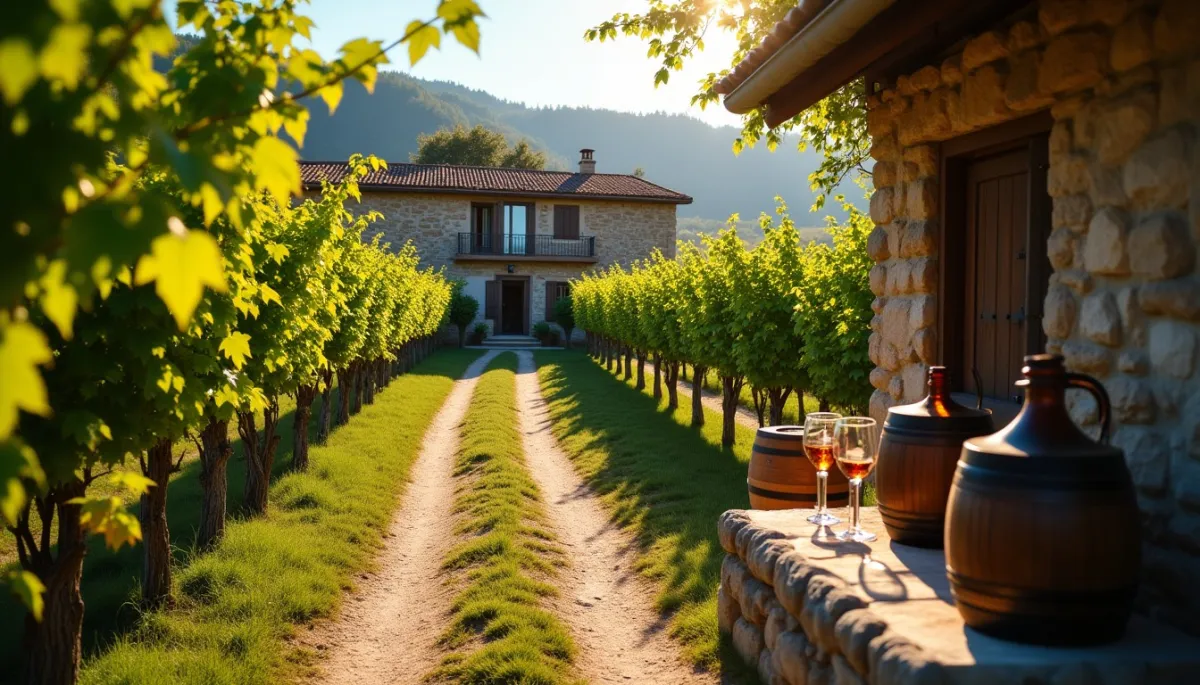
Silence, sun and a single vine row. In the lane a dog lifts its head, and a winemaker wipes her hands on her jacket, smiling at the visitor with a glass already poured.
Wines off shelves
Supermarkets dominate off-trade wine sales in many countries, offering convenience and large volumes at predictable prices. Yet a whole ecosystem of small producers operates outside that model. These growers make tiny batches, often a few hundred to a few thousand bottles a year, which never pass through supermarket distribution.
Examples are everywhere: grower Champagnes (labelled RM for récoltant-manipulant) whose parcels are measured in a few rows; Jura producers of vin jaune from savagnin with oxidative ageing and long cellaring; tiny Douro quintas that keep their best lots for local customers, or Greek island growers making Assyrtiko on volcanic terraces.
For the curious buyer, these wines are not only rarer, they are stories in a bottle. A salon on a village square in Beaune, a trattoria in Sicily, or a feria in Priorat often serve as the front line where these wines are discovered, tasted and bought before anyone thinks to export them.
Hidden terroirs
Why do these wines remain hidden? The reasons start with scale. Small vineyard plots generate low yields, and economies of scale push large retailers toward national brands and big négociants. Logistics and margin expectations make it uneconomical for supermarkets to list dozens of micro-cuvées.
History also plays a role. The 19th century phylloxera crisis, the creation of appellations (AOC) and later international demand concentrated trade into larger houses. In regions like Burgundy and Bordeaux, allocation systems for prestigious bottles mean many domaines sell via negociants or to longstanding clients, not through mass retail chains.
Finally, taste matters. Natural wine movements, experimental fermentations and age-old local practices produce wines that are difficult to mass-market because they may vary bottle to bottle. Sommeliers, specialised cavistes and direct sales remain the channels that appreciate and value this variety.
Tradition meets market
That said, things are changing. Digital tools, enotourism and small online platforms let vignerons sell directly to collectors worldwide. Mailing-list allocations, cellar-door sales and wine bars that champion indie producers create new points of contact between maker and drinker.
Contradictions persist. Some small producers prefer anonymity, selling only to neighbours or at local markets. Others scale slightly to answer international curiosity, but then face choices about identity and quality control. The very act of becoming visible can change the wine.
Practical advice: when you want to find a hidden bottle, talk to a trusted caviste, visit wine regions and ask to taste at the domaine, check labels for "mise en bouteille au domaine" or regional codes like RM, and join producers' mailing lists. Be open to imperfect bottles; variability is part of the charm.
In the end, these wines reward curiosity. They ask you to slow down, to travel a lane, to share a plate in a village bistro and to remember that great discovery often begins off the beaten path.
Thanks for reading, and don't forget, Enjoy Life Moments!