From homelessness to acclaimed chef: the star destiny that shook gastronomy
🚀 Key Takeaways
- Core idea : Culinary craft can be a vehicle out of homelessness when combined with training and social support.
- Practical tip : Seek local programs (for example FareStart in Seattle or Café Momentum in Dallas) that offer apprenticeships and placement.
- Did you know : The Michelin star system began in 1926 and evolved to the three-tier format in 1931, changing how restaurants measure prestige.
He remembers the cold more than the hunger.
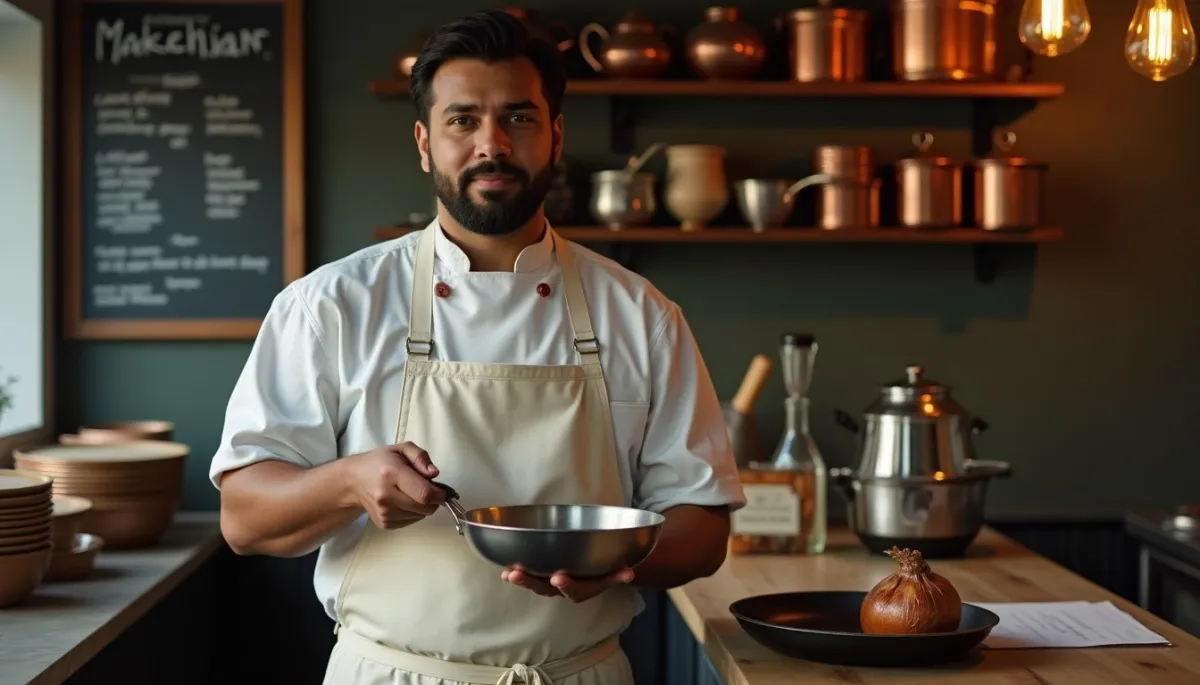
It is the smell of frying garlic that now wakes him at 4 a.m., not the damp of a shelter. Picture a compact open kitchen, copper pans catching early light through a street-facing window, a line of regulars nodding in recognition. On the wall, a scrap of paper lists seasonal suppliers: a farmer's name, a date. Outside, the same city that once pushed him to the pavement continues its rush, unaware that the man plating a single roasted onion has rewritten his own story.
Une reconnaissance nouvelle
The protagonist of this portrait is a chef who, in less than a decade, became a reference in his neighbourhood. Once anonymous on the streets, he is now hailed by local critics and diners for a cuisine that is honest, inventive and rooted in memory. Critics compare his warm, ingredient-led plates to the modern comfort food movement that gained momentum in the 2010s.
His restaurant is small, 28 covers, focused on seasonal produce and simple technique. Since opening in 2021, the venue has been featured in regional listings, and in 2023 it received a local culinary prize that recognizes social impact and craft. Patrons describe not only the food but the story: they come for the flavor and stay for the meaning.
To understand the scale of such praise, consider the institutional ladder of gastronomy: from local guides to national awards, then to international mentions like the World’s 50 Best Restaurants (established 2002), and the Michelin stars, whose single-star distinction dates to 1926 and the three-tier format was fixed in 1931. Rising within that world typically requires networks; his path bucked that rule.
Origines et basculement
The turning point was not a single moment but a sequence: a night in a shelter, a volunteer chef who ran a cooking workshop, and a training program that offered a paid internship. Nonprofits such as FareStart in Seattle (founded in 1988) and Café Momentum in Dallas (founded in 2011) have long documented how structured culinary training can lead to stable employment. Our chef’s path mirrored these models: practical skills, mentorship, and placement.
His early career in professional kitchens was brutal. Long hours, steep learning curves and the pressure to perform can break even the most determined. Yet kitchens also offer meritocratic lessons: technique, timing and taste are teachable and visible. He learned knife skills, stock making and pastry basics in months rather than years, because his commitment was absolute—driven by necessity and by an intimate knowledge of scarcity.
Anecdotes matter. He once salvaged an entire lunch service with a single roasted pepper, turning a delivery failure into a signature dish. Stories like that travel by word of mouth and social media, and in 2022 a food blogger’s post about that improvisation gathered traction, bringing curious customers and, later, investors willing to support a respectful expansion.
Ambivalence et défis
Success did not erase the past. Former homelessness leaves bureaucratic problems: unstable documentation, credit issues, and trauma. Culinary acclaim brings new pressures: managing staff, balancing books, and protecting creativity under economic constraints. He juggled kitchen leadership with administrative learning, sometimes taking finance classes at a community college in the evenings.
There are also contradictions within the gastronomic world. Haute cuisine can celebrate ingenuity while remaining inaccessible. The chef fights that gap by keeping prices moderate and offering community dinners where people who once shared his fate eat for free. This model sacrifices short-term profits but builds social capital and a loyal clientele.
Looking forward, his ambition is modest and radical: to create a training program inside his restaurant that hires workers with precarious pasts, offering stable contracts and mentorship. It is a scaled, restaurant-level echo of nonprofits like FareStart, marrying excellence with inclusion. If successful, it could inspire a new metric of prestige: not only stars but social return.
Conseils et leçon
For readers: if you want to help or begin such a path, look for local initiatives that partner with restaurants, volunteer as a mentor, or simply eat at places with a social mission. For aspiring cooks from precarious backgrounds, prioritize accredited training, apprenticeship contracts, and networks that help with housing and legal documents.
For restaurateurs: consider investing a small percentage of seats or hiring budgets to social programs. Culinary craft scales well into rehabilitation because it trains routine, precision and pride, qualities essential for recovery and employability.
Finally, remember that the history of gastronomy is full of reinventions. From the Michelin innovations of the early 20th century to the democratic food movements of the 21st, the table has always been a mirror of society. This chef's story reminds us that talent exists everywhere; given tools and opportunities, it changes lives and, sometimes, the culture itself.
Thanks for reading, and don't forget, Enjoy Life Moments!