Passion investing: art, wine and collector watches as safe havens
🚀 Key Takeaways
- Core concept : Passion investing blends aesthetic pleasure and capital preservation.
- Practical tip : Verify provenance, insure, and budget for storage and maintenance.
- Did you know : A single masterpiece or a rare bottle can outperform traditional assets over decades.
Investing with feeling changes everything.
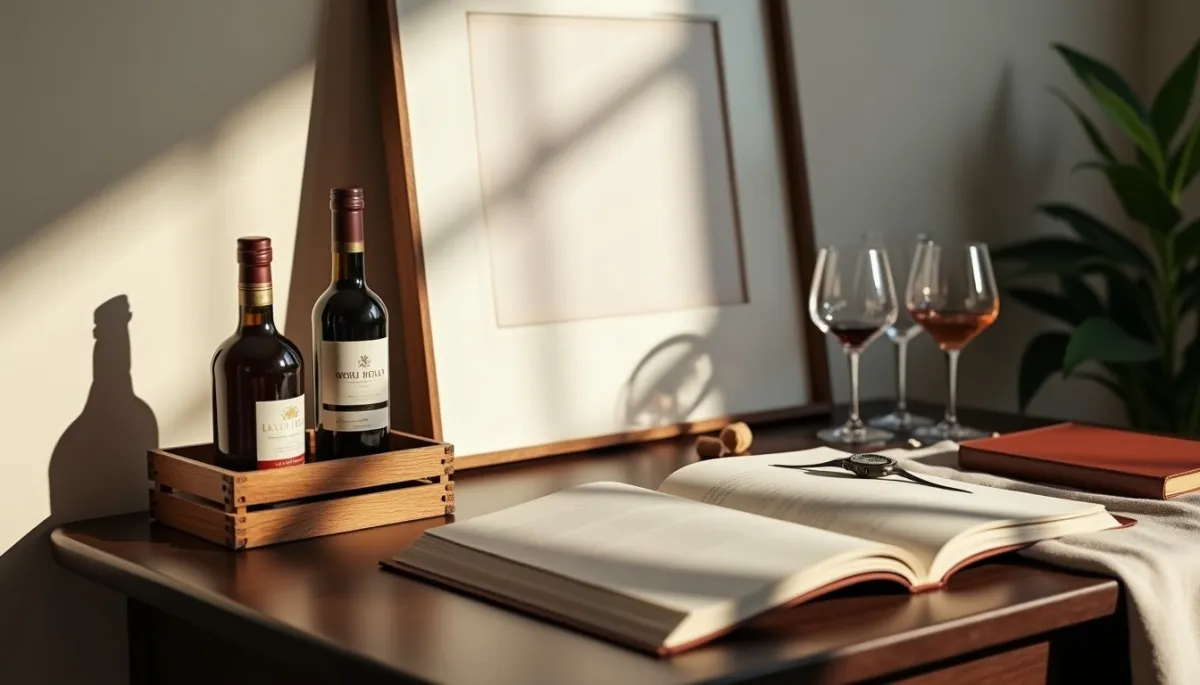
Picture an auction room in Geneva, sunlight on varnished oaks, a gavel ready above a Patek Philippe, while outside, in Bordeaux, a domaine opens its cellars for collectors who travel across continents. In Paris a young collector unrolls a contemporary print beside a crate of aged burgundy, and across the internet an online lot receives a flurry of bids from five time zones away. These are scenes where money and passion meet.
Valeurs palpables
The market for tangible luxury has long been driven by headline sales. Leonardo da Vinci's Salvator Mundi sold for over 450 million dollars in 2017, a figure that still punctuates conversations about art as an asset. In watchmaking, unique pieces like the Patek Philippe Grandmaster Chime achieved tens of millions at auction, while rare Napa or Burgundy bottles, such as Domaine de la Romanée-Conti vintages, can command astonishing sums at cellar sales.
Beyond spectacular records, indices that track collectibles show long-term resilience. Classic cars, fine wine and collectible watches have outperformed some traditional asset classes over multi-decade horizons, according to specialist reports. The reason is simple: scarcity, provenance and story create value that fiat currencies cannot replicate.
Collectors also enjoy non-financial returns. Ownership provides sensory experiences, access to exclusive communities, and opportunities to visit ateliers or vineyards. This experiential dividend often matters as much as price appreciation, especially for those who call this approach "investing with passion".
À la recherche d'âme
Why this trend is accelerating now can be traced to several converging forces. Low real yields on bonds in the past decade pushed private wealth toward alternative assets. Inflationary pressures made people reassess cash holdings, while ultra-wealthy buyers sought assets with cultural cachet and durability.
Digitalization has also changed the game. Online auctions, improved cataloguing, high-resolution imagery and condition reports allow global bidders to participate. Provenance is easier to trace than before, and new tools like blockchain provenance registers are being trialed to fight forgery, especially in wines and art.
Finally, demographics matter. New collectors emerge from Asia, the Middle East and a younger generation in Europe and North America, bringing fresh tastes and new capital into markets that were once local. This geographic and generational broadening supports demand and sometimes re-prices entire categories.
Risques et fragilités
Yet tangible luxury is not a bulletproof refuge. Liquidity varies greatly: a masterpiece may take months to sell, a rare bottle may require specialised auction houses, and watches are subject to fashions. Market cycles can be sharp, and prices sometimes reflect narratives more than intrinsic value.
Authenticity and condition are central concerns. Fakes and restorations eat value, so expertise matters. Storage and insurance costs add to the total cost of ownership, whether for climate-controlled cellars for wine, conservation for paintings, or service and polishing for watches.
Climate change introduces another variable for wine collectors, with vintage variability affecting supply and provenance. Geopolitics and regulatory changes, including export rules and taxes, can also alter markets quickly. For these reasons, specialists recommend diversification within passion investing and mixing emotional choices with objective due diligence.
Conseils pratiques
Start by buying what you love, but learn to love knowledge too. Visit auction previews, taste at domaines, and inspect timepieces with a trusted watchmaker. Build relationships with reputable dealers and houses like Sotheby's, Christie's, Phillips, and established négociants in wine.
Document provenance and request condition reports. Consider fractional ownership platforms for art or wine where available, they lower the entry ticket and offer liquidity, while keeping exposure to the story. Budget for storage, restoration and insurance, these recurring costs impact net returns.
Finally, think of time. Passion assets often require patience. If you buy for the story and the aesthetic pleasure, any future price appreciation is a bonus. Treat these purchases as part of a lifestyle, not only as line items on a balance sheet.
Thanks for reading, and don't forget, Enjoy Life Moments!