From Basquiat to KAWS: how football stars are becoming patrons of contemporary art
🚀 Key Takeaways
- Core idea : Top footballers are increasingly buying, commissioning and promoting contemporary art.
- Practical tip : Start with limited editions and work with a trusted advisor when entering art collecting.
- Did you know : Basquiat set a major auction record in 2017, proving the cultural and financial power of contemporary art.
Art arrives like a goal celebration, sudden and bright.
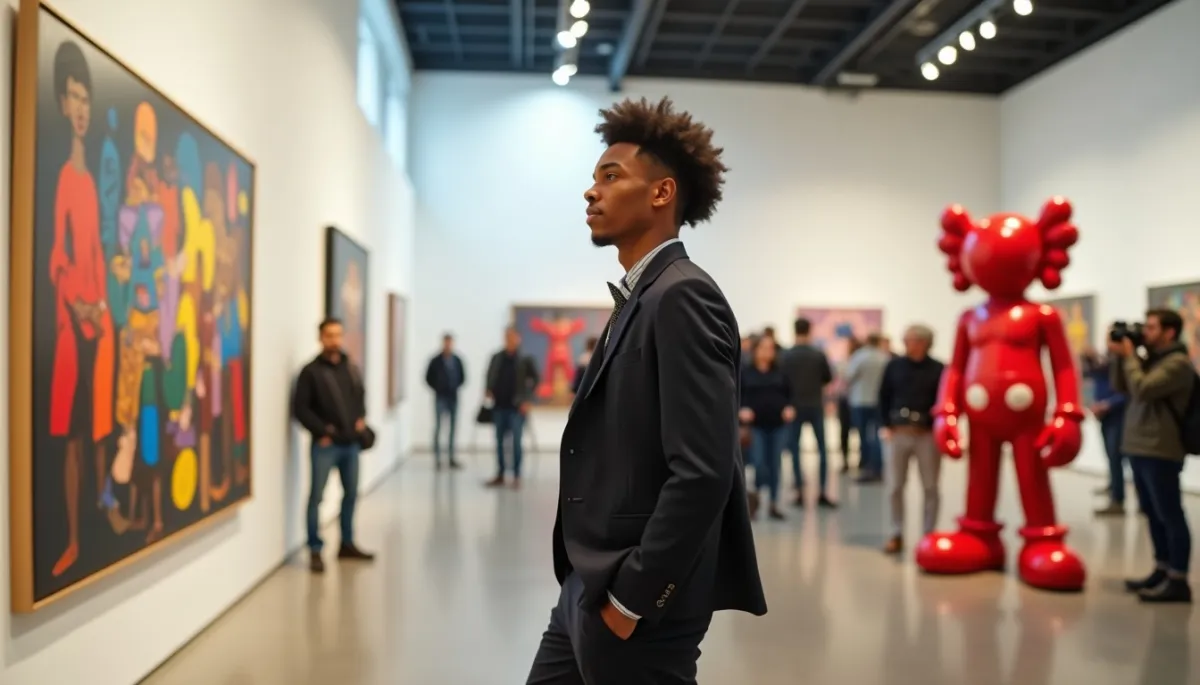
Imagine a late afternoon at Art Basel Miami: under the warm light, a group of players in sneakers debates a Basquiat canvas while a KAWS sculpture towers nearby. Photographers snap, dealers lean in, and the conversation shifts from tactics to provenance. The scene shows how football culture and contemporary art now share the same VIP rooms.
market momentum
Contemporary art has become a mainstream asset over the past decade. Landmark facts feed the narrative: Jean-Michel Basquiat's 1982 painting sold at auction for over $110 million in 2017, signalling how demand for post-war and contemporary names can turn cultural capital into financial value. KAWS, a street-to-gallery star, now commands multi-million-dollar prices and public commissions that blur the line between pop culture and blue-chip collecting.
Top players—benefiting from huge salaries, global visibility, and personal brands—have moved into this space. They do not only buy; they attend fairs, sit on VIP previews and sometimes collaborate with galleries or artists. Their presence amplifies artists' profiles and introduces new audiences to the market.
This shift is measurable. Auction houses and fairs routinely report growing attendance from non-traditional collectors, including athletes and entertainers. For galleries, a footballer-client can mean both sale and publicity, a twofold return in a crowded market.
why it matters
Several forces explain the trend. First, wealth concentration among a handful of stars allows discretionary spending on cultural goods. Second, art has become a brand-building tool: owning or commissioning a work signals taste, cultural capital and a narrative beyond the pitch.
Digital culture plays a role too. The rise of NFTs and digital art has lowered entry barriers for celebrity collaborations, letting players launch collections, partner with artists, or mint charity drops. These moves marry fan engagement with collectible culture, expanding the notion of patronage to include digital patronage.
There's also a social dimension. Many athletes establish foundations and use art to support community projects, public commissions or museum initiatives. When a player sponsors an installation in a city neighborhood, the gesture reads as civic patronage, not just private investment.
tensions and limits
However, the marriage of football and art raises questions. Critics point to taste-driven buying—purchases made for image rather than connoisseurship. This can fuel speculative bubbles around trendy names and inflate prices detached from critical assessment.
Provenance and authenticity remain critical. Contemporary markets are complex; buying at auction or through galleries requires due diligence. For newcomers, the risk is overpaying or acquiring works without long-term cultural value. Advisors and established dealers help mitigate these risks.
Finally, the idea of patronage needs nuance. Real mécénat implies sustained support: acquisitions alone are not philanthropy. Long-term engagement with institutions, commissioning ambitious works, funding residencies or making public gifts, these are deeper forms of cultural patronage that only some sports stars pursue.
For readers inspired to start collecting: attend fairs, visit artist studios when possible, prefer works with clear provenance, start with limited editions or works by living artists at accessible price points, and consult specialists. Collecting is as much about curiosity as it is about capital.
From Basquiat's record to KAWS's public sculptures, the influence of footballers in contemporary art is real and evolving. They bring money, attention and new audiences. Whether that translates into lasting patronage depends on choices made beyond the headlines.
Thanks for reading, and don't forget, Enjoy Life Moments!