Tears on the turf: football as a new space for men's emotional release
🚀 Key Takeaways
- Core concept : Football offers collective permission to express strong emotions.
- Practical tip : Use rituals—chants, post-match conversations—to transform release into connection.
- Did you know : More than 3.5 billion people watched part of the 2018 World Cup, amplifying shared emotional moments.
It hits you in the chest.
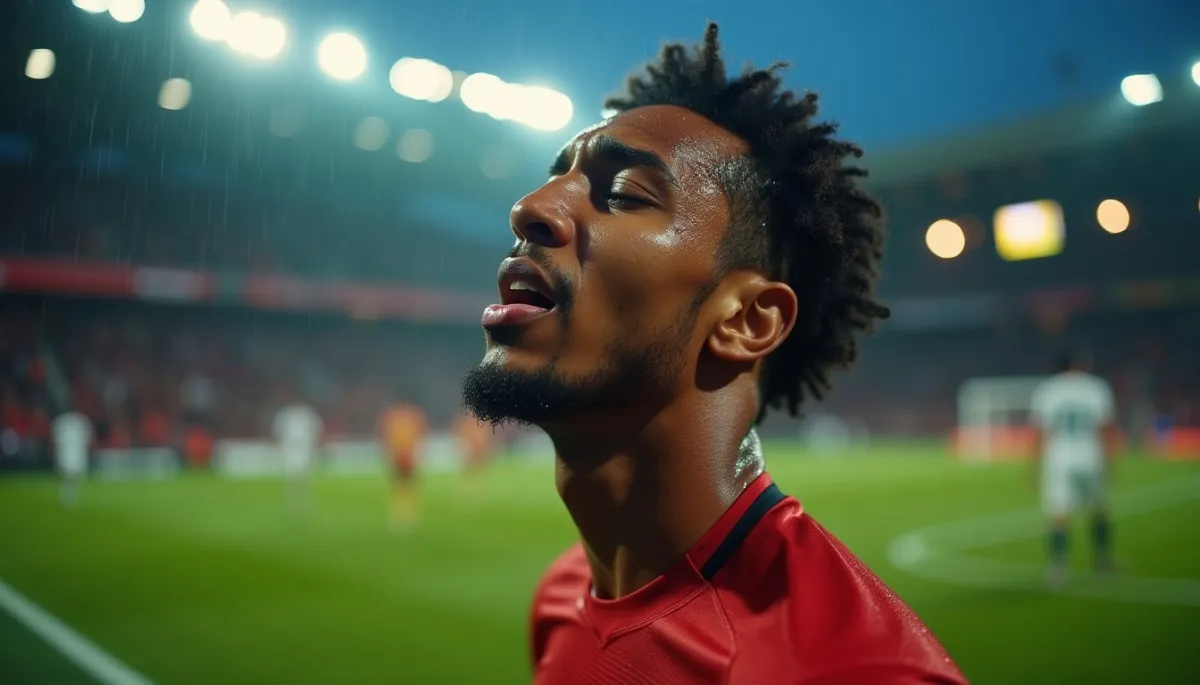
Imagine a rainy evening at a community ground, floodlights buzzing, two men in their thirties pressing their palms on the muddy posts, and one of them breaking into tears after a missed penalty. Or picture the confetti and tears of a World Cup final, a captain kneeling, face streaked with sweat and salt. These images have become ordinary in a sport that used to celebrate stoicism above all.
Public release
Once rare, public displays of emotion by male players and fans are now a recurring motif of modern football. From tearful national celebrations to solitary sobs in the tunnel after a defeat, stadiums are stages where personal grief and joy are magnified.
Global events make these moments visible. FIFA’s 2018 World Cup reached over 3.5 billion viewers, turning private reactions into collective experiences that ripple across social networks and evening news. Images of crying players become icons, discussed and reshared by millions.
At club level the phenomenon is equally present. Scenes after dramatic comebacks, relegation heartbreaks or promotion triumphs show men letting go: managers embracing players, fans weeping in stands, veteran players openly emotional. This public release reshapes how communities interpret male vulnerability.
Roots and reasons
Several forces explain why football functions as an emotional outlet. First, the sport’s tribal intensity: identification with a team activates strong feelings that are safe to project onto an external object (the club or national team).
Second, football is ritualized. Chants, pre-match gatherings, and match-day routines create a container for emotion. Rituals decrease anxiety by structuring unpredictability, and they give permission to express feelings in a culturally accepted frame.
Third, there is a social shift. Mental health campaigns and a growing number of players speaking about anxiety and depression have eroded the stigma around male emoting. Initiatives like the Heads Together campaign in the UK, plus players sharing personal struggles on podcasts and in interviews, normalize vulnerability.
Contrasts and tensions
Visibility does not mean consensus. Some fans and commentators still equate emotion with weakness, especially in competitive contexts. That tension creates conflicting messages: cry on the pitch, but don't show it in training; celebrate, but never appear 'soft'.
Moreover, commodification plays a role. Media amplification can turn intimate moments into spectacle, sometimes stripping them of their personal context and turning tears into memes or headlines. The emotional release becomes content, which may feel exploitative to those involved.
Finally, access is uneven. For some men, stadium culture remains hostile, particularly for those from marginalized groups. The right to feel publicly is not yet universal; intersectional factors (race, class, sexuality) shape who can safely display vulnerability.
From catharsis to care
The language of catharsis (a release that purifies) helps explain why football can heal. Aristotle used the term to describe emotions stirred by tragedy. In modern sport, a match can trigger a similar purge of fear, grief or joy.
Practical steps can make this release healthier. Encourage post-match debriefs, whether among teammates or with friends. Treat chants and collective rituals as opportunities to check in, not only to celebrate. Clubs and fan groups can train stewards to spot distress and offer support.
At an individual level, permit yourself small experiments: cry in a safe space, speak about your feelings afterward, or channel intensity into creative outlets like writing or communal volunteering. The goal is to transform a momentary release into sustained connection and care.
Thanks for reading, and don't forget, Enjoy Life Moments!