The economy of calm: why silence has become the world's most expensive product
🚀 Key Takeaways
- Core concept : Quiet is now marketed and monetized.
- Practical tip : Try earplugs, a 20-minute nature walk or scheduled phone-free hours.
- Did you know : Google searches for "silent retreat" spiked during 2020 lockdowns.
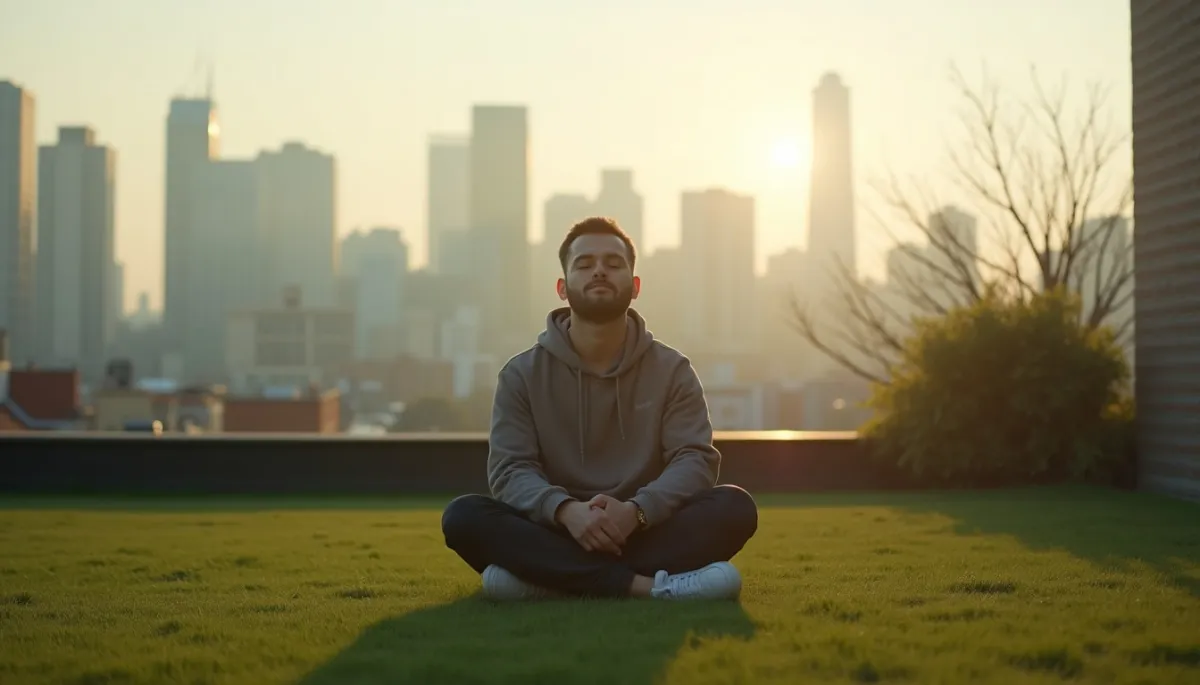
Close your eyes. Imagine the hush of a forest at dawn.
You can almost hear the price tag. A boutique hotel in Kyoto charges a premium for "soundproofed rooms", a London coworking chain rents phone booths marketed as "quiet pods", and meditation apps sell guided silence sessions to millions every month. In cafés, commuters tilt their noise-cancelling headphones and pay with time for a few minutes of uninterrupted thought. The scene is everyday and new at once: silence curated, scheduled and sold.
Quiet as commodity
Silence used to be incidental. In urban life of the 19th and 20th centuries, noise was a byproduct of industry and growth. Today it is a deficit that consumers are willing to pay to fill.
Since the 2010s, markets around "quiet" have expanded: premium hotels advertise rooms with acoustic insulation, architects propose "quiet floors" in mixed-use buildings, and manufacturers tout active noise cancelling (ANC) technology in headphones as a standard feature. The wellness economy, estimated at $4.5 trillion by the Global Wellness Institute in 2018, has absorbed silence as a service, from silent yoga sessions to luxury retreats offering digital detoxes.
Evidence of the trend is visible. Search interest for "silent retreat" and "quiet hotel" rose notably during the 2020 pandemic. Co-working brands began adding soundproof pods in response to user demand in 2021 and 2022. What used to be a longing has become a product line, with price premiums attached.
Roots of the thirst
Why pay for silence now? The causes are multiple and converging.
First, ambient noise has increased and its effects are now better documented. The World Health Organization published guidelines on environmental noise in 2018, linking chronic exposure to sleep disturbance, cardiovascular risk and reduced cognitive performance. Urbanization and denser living conditions make quiet harder to come by.
Second, digital acceleration has heightened subjective noise. Notifications, video calls, algorithmic feeds and remote work blur the boundaries between private and public time. The cognitive load of continuous partial attention creates a hunger for restorative quiet.
Third, cultural shifts valorize mindfulness and slow experiences. Practices like shinrin-yoku (forest bathing), popularized in Japan since the 1980s, and Vipassana 10-day silent retreats (widespread in Goenka centers since the 1970s) have brought silence into mainstream wellness. Luxury brands and start-ups saw an opportunity and packaged quiet for consumers with little spare time or space.
Costs and contradictions
The commercialization of silence creates paradoxes. Access to quiet often follows income and geography, reinforcing inequalities.
Consider the city resident who cannot afford a soundproofed apartment or a week at a countryside retreat. For many, silence is accessible only as a paid, intermittent escape rather than a continuous right. Urban planning decisions, such as the placement of highways and airports, continue to shape who lives with chronic noise exposure.
There are also market distortions. Tech solutions, like premium ANC headphones, solve individual problems but externalize the issue: they do not reduce urban noise for everyone. Meanwhile, business models that commodify quiet risk turning a restorative practice into another source of stress, with consumers chasing curated silence on a schedule rather than integrating quieter rhythms into daily life.
Practical quiet
Despite these contradictions, individuals can reclaim cheap, effective forms of calm. Simple tactics work: soft earplugs reduce sound levels dramatically and cost only a few euros or dollars. Scheduling device-free windows, ideally 20 to 90 minutes daily, lowers cognitive noise. Urban walks in green spaces, even 15 to 30 minutes, produce measurable reductions in stress hormones according to multiple studies on nature exposure.
For those who invest, prioritize systemic solutions: request sound insulation for shared walls, advocate for traffic-calming measures, and support local noise ordinances. Employers can offer quiet rooms and no-meeting blocks to democratize access at work.
Finally, redefine silence. It is not merely the absence of sound, but a space for attention and recovery. Whether achieved through a forest dawn, a cheap pair of earplugs, or a booked retreat, silence today signals a deeper cultural shift: people are willing to pay to preserve what they now recognize as essential to wellbeing.
Thanks for reading, and don't forget, Enjoy Life Moments!